
































































































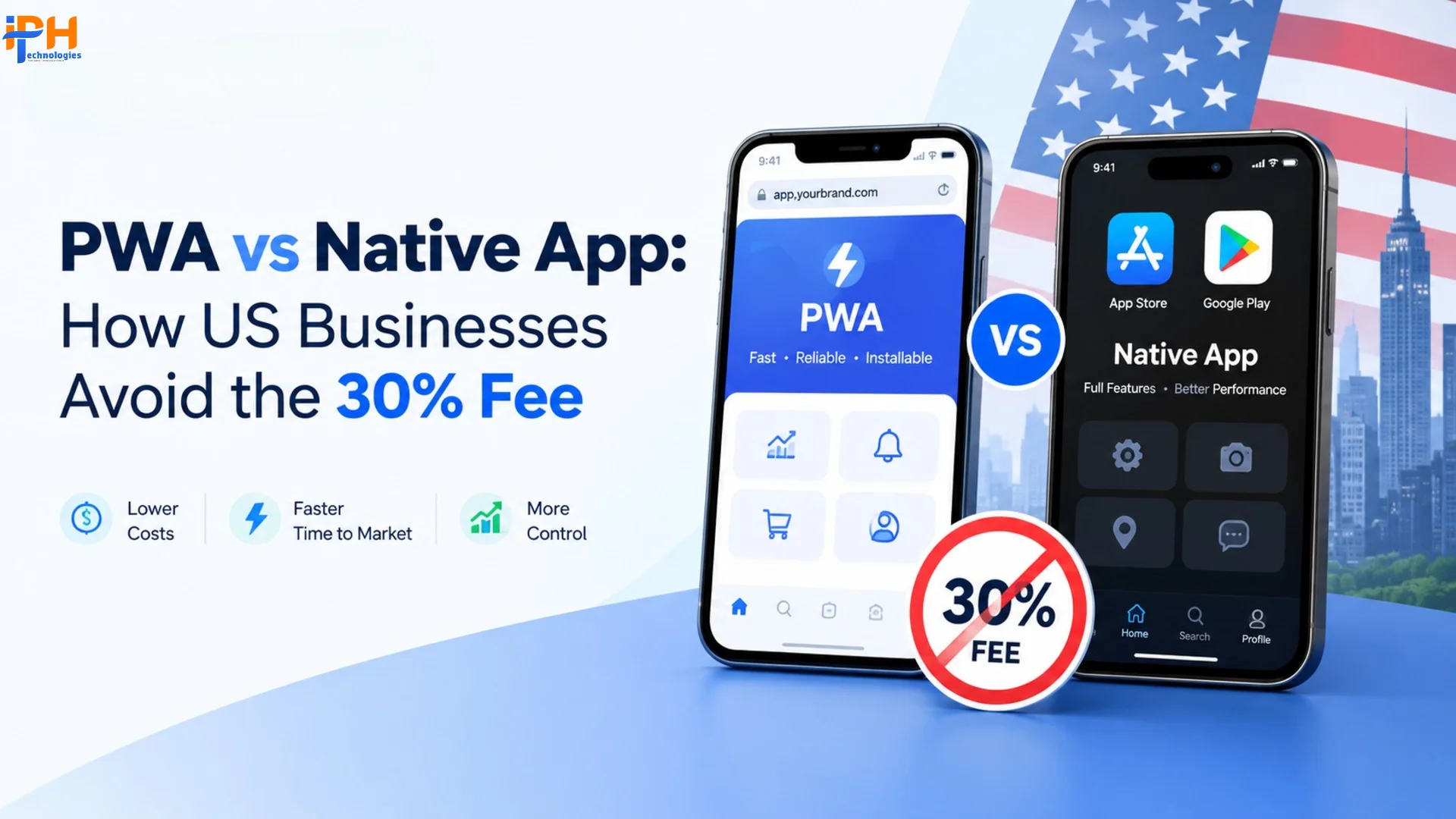
PWA vs Native App: How US Businesses Avoid the 30% Fee
Imagine you’ve built a gorgeous app. Users love it. Revenue is climbing. Then you open your payout report and realize nearly a third of every dollar went straight to the store that hosts it. Ouch.
That’s the reality that pushed thousands of US businesses to ask the same question: is there a way to keep the app experience without handing over 30%? There is, and it usually involves progressive web apps (PWAs), smart payment routing, or a mix of both. The rules have also shifted a lot in the past two years, so the old advice is already stale.
Let’s unpack what’s changed, what hasn’t, and how you can actually keep more of your revenue.
Also read- How online bullion exchanges work
Why That 30% Fee Still Keeps Founders Up at Night
Think of an app store as a shopping mall. You get foot traffic, security, and a ready-made payment system. In exchange, the landlord takes a percentage of every sale. For a small business running on tight margins, that percentage can be the difference between profit and “we should’ve launched a website instead.”
Here’s the thing, though: the fee isn’t universal. Whether you pay it depends on what you sell, how you charge, and where your customers actually buy. So before you swap tech stacks, you need to know if the fee even applies to you.
First Things First: What Does the 30% Fee Actually Apply To?
Plenty of founders panic about a fee that never touches their business model. Let’s sort that out.
Digital Goods vs. Physical Goods and Services
The platform commission targets digital goods and services consumed inside the app: subscriptions, premium features, in-game items, digital content. If you sell physical products or real-world services (think food delivery, ride booking, retail orders, appointment bookings), you’ve typically always processed those payments yourself, with no store cut.
So if you run an e-commerce or on-demand service business, your “30% problem” may be smaller than you think. If you sell software, content, or subscriptions, keep reading.
Who Qualifies for the Lower Rate
Both major stores offer reduced rates to smaller developers. Apple’s Small Business Program drops the commission to 15% for developers earning under $1 million a year in proceeds. Google’s newer structure also starts at 10% for the first $1 million in annual earnings. Helpful, yes, but 15% of a growing revenue stream still adds up.
Also Read- Retail app development services usa
Where App Store Fees Stand in the US Right Now
This is where things get interesting, because US rules in late 2026 look very different from 2023.
Apple’s External Link Rules
After years of litigation with Epic Games, a federal court found that Apple’s earlier attempt at a 27% fee on link-out purchases was punitive. As a result, US developers can currently include external purchase links in their iOS apps with no Apple commission on those web purchases. The Ninth Circuit later upheld the contempt finding but sent the question of a permissible fee back to the lower court, which could set a rate tied to Apple’s genuine costs. Translation: zero today, but a rate could return. Treat it as a window, not a guarantee.
Google Play’s New Fee Structure
Google took a different route. Since June 30, 2026, developers in the US, UK, and EEA can offer alternative billing or link to their own websites. But Google still collects a service fee, starting around 10% on the first $1 million in annual earnings, and adds a separate 5% billing fee if you use Google Play Billing. Qualifying apps can land at 15% or 20% for certain transaction types, and in some cases using Google’s billing for an existing user can still reach a combined 30%. US developers enrolled in the external link programs also need to start reporting transactions and paying the relevant fees from October 1, 2026.
In other words, Android link-outs are no longer a free lunch.
Fee Snapshot
| Channel | Standard Commission | External Payment Status (US, Oct 2026) | Key Catch |
| Apple App Store | 30% (15% for small businesses) | 0% on link-out purchases for now | Rate could be set by court later |
| Google Play Store | Service fee from ~10%, plus 5% if using Google billing | Link-outs allowed, but service fee still applies | Reporting and fees apply from Oct 1, 2026 |
| PWA (web distribution) | 0% store fee | Not applicable | You pay only payment processing (roughly 3%) |
Notice the pattern? The only channel with no platform cut, no court uncertainty, and no reporting requirements is the open web.
What Is a PWA, and Why Does It Skip the Store Fee?
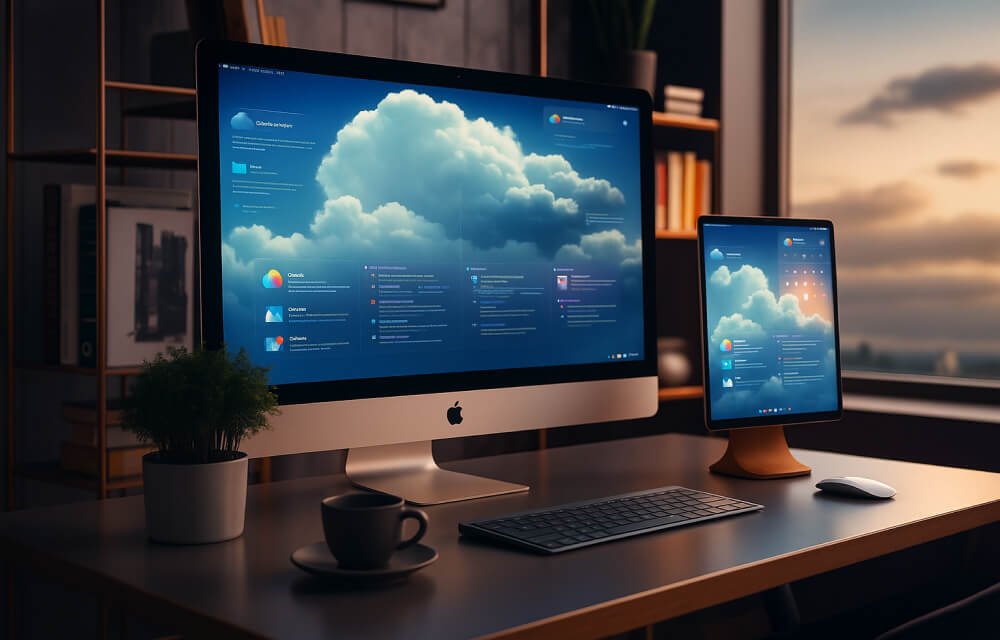
A progressive web app is basically a website wearing an app costume. It’s built with web technologies, runs in the browser, but can be installed to a phone’s home screen, work offline, and send push notifications. Users open it like any app. They just never download it from a store.
And that’s the secret. Since a PWA isn’t distributed through Apple’s or Google’s store, there’s no store commission. You handle payments through your own processor, so your cost is typically a card-processing fee of around 3% rather than 15% to 30%. Same revenue, far bigger slice for you.
Also Read- Aso vs Seo
PWA vs Native App: Head-to-Head
Fee savings are great, but they mean little if the product can’t do what your customers need. Let’s compare them fairly.
Comparison Table
| Factor | PWA | Native App |
| Store Commission | None | 15%–30% on digital sales (with exceptions above) |
| Development Cost | Roughly 40%–60% lower | Higher (separate iOS and Android builds) |
| Time to Market | Faster, single codebase | Slower, two platforms plus store review |
| Push Notifications | Supported (iOS requires Home Screen install) | Fully supported |
| Hardware Access | Limited (camera, location, some sensors) | Full (Bluetooth, health data, AR, NFC) |
| Offline Use | Good, via service workers | Excellent |
| Discoverability | Search engines and links | App store search and browsing |
| Updates | Instant, no review wait | Subject to store approval |
Where PWAs Win
PWAs shine for content platforms, SaaS dashboards, booking tools, e-commerce, and membership products. You ship updates instantly, you rank in Google search, and you skip the review queue entirely. For a lean team, that speed matters as much as the savings.
Where Native Apps Still Win
If your product leans on deep hardware features like health sensors, AR, advanced Bluetooth, or heavy background processing, native is still the safer bet. Native also wins when app store visibility is your main acquisition channel, since many users simply expect to “find it in the store.”
Also Read – Oil and Gas App Development Utah
The iOS Catch Nobody Likes to Mention
Here’s the honest part. PWAs work on iPhones, but with friction. Web push notifications arrived in iOS 16.4, yet they only work after the user installs the web app to the Home Screen and grants permission with a tap. Apple also doesn’t offer the same smooth “install this app” prompt that Android Chrome does, so you’ll need to coach users through the process.
That extra step costs conversions. If most of your customers are on iPhones and you depend on push-driven engagement, plan for onboarding screens that teach people how to add your app to their Home Screen. It’s doable, just not as seamless as a store download.
The Hybrid Play: Native App Plus Web Checkout
Here’s where smart US businesses are landing in 2026: they don’t pick one side. They publish a native app for discoverability and experience, then route paying customers to their own web checkout.
On iOS, that means using the permitted external purchase link. On Android, it means enrolling in Google’s alternative billing or link-out program and accepting the lower service fee. You keep the store listing’s reach while paying far less than the old 30%.
Think of it like a restaurant that takes walk-ins but also runs its own delivery site. The storefront brings people in; your own channel keeps the margin.
Four Practical Ways US Businesses Dodge the Fee
- Go PWA-first. Launch as a progressive web app, sell subscriptions on your own site, and skip store fees completely.
- Link out from your native app. Use Apple’s US external purchase links and Google’s link-out program to push checkout to the web.
- Sell physical goods or real-world services. If your product qualifies, you can already process payments yourself.
- Offer web-only discounts. Many apps give a small price break for subscribing on the website, nudging users toward the cheaper-to-serve channel.
A word of caution: policies are still moving. Apple’s rate could change after the court process, and Google’s programs are still being finalized. Build your payments setup so you can adjust quickly.
Also read- Mining Software Development Utah
What Will It Cost to Build Each One?
Roughly speaking, a simple PWA can run about $15,000 to $25,000, while a medium-complexity PWA tends to fall between $25,000 and $60,000. A comparable native build across iOS and Android typically costs noticeably more because you’re maintaining two codebases, and annual maintenance for native apps is often estimated at 15%–25% of the initial build.
Over three years, the gap widens. A PWA’s single codebase means fewer bug fixes, fewer OS-update scrambles, and fewer duplicated features. Add the saved store commission, and the math can look very different from a native-first plan.
How to Pick the Right Path for Your Business
Ask yourself four quick questions:
- Do I sell digital goods or subscriptions? If yes, fees matter a lot. If no, they may not matter at all.
- Do I need deep hardware access? If yes, lean native.
- Where do my customers discover me? Search and links favor PWAs; store browsing favors native.
- How fast do I need to launch? Tight timelines favor PWAs.
If your answers are mixed, the hybrid approach is usually the safest bet.
Why Build With IPH Technologies
Choosing between a PWA, a native app, or a hybrid isn’t just a technical call. It’s a revenue decision. At IPH Technologies, we’ve delivered over 500 successful projects for 430+ satisfied clients across mobile apps, web platforms, and custom software, so we’ve seen which approach pays off in which situation.
Our team uses agile methods and current technology to build PWAs, native iOS and Android apps, and hybrid setups with web checkout. We’ll look at your business model, your audience, and your margins before recommending a single line of code. No pushing the pricier option just because it sounds impressive.
Conclusion
The 30% fee isn’t a law of nature anymore. In the US, court rulings and settlements have opened real doors: Apple currently allows commission-free external purchase links, Google offers alternative billing with reduced fees, and PWAs sidestep store commissions altogether. But each route has trade-offs, from iOS install friction to evolving fee rules. The winning move for most businesses is matching the technology to the business model, whether that’s a PWA-first launch, a native app with web checkout, or a blend of both. Do the math on your own revenue, stay flexible, and keep more of what you earn.
Also read– P2P Lending Platforms For Businesses