Healthcare
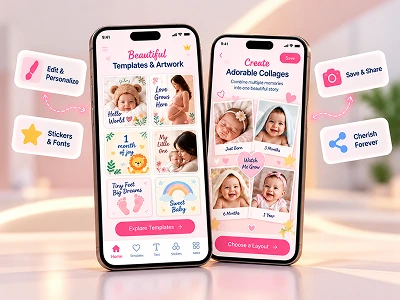
AI Photo editor app development
AI photo editor and milestone reminders for every stage of pregnancy and baby growth.



 AI Health Intelligence Platform
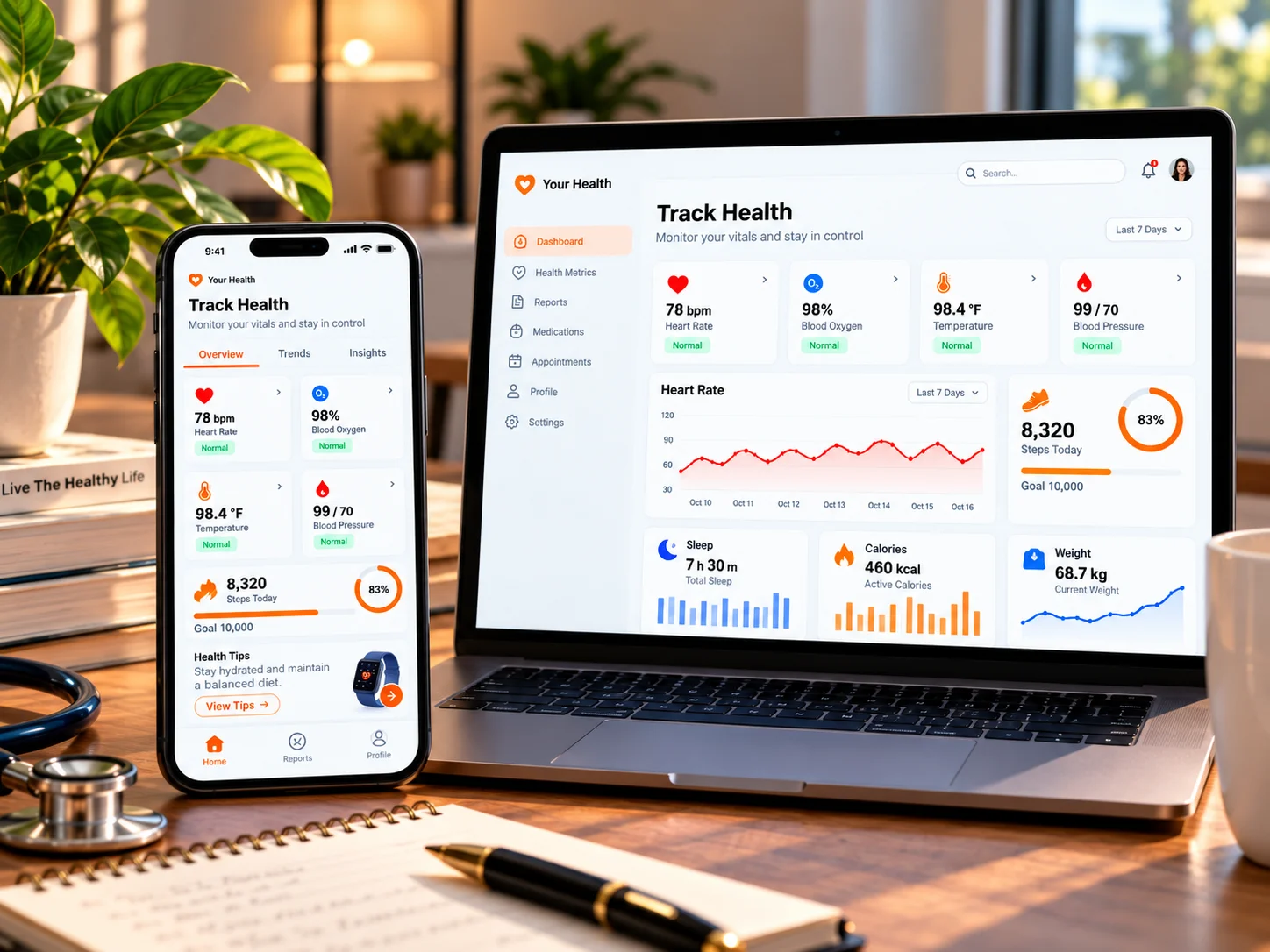
AI-powered health platform that brings it all together, flags risks early, and keeps every bit of data securely on your device.
Healthcare
wellness
AI Photo editor app development
AI photo editor and milestone reminders for every stage of pregnancy and baby growth.
Healthcare
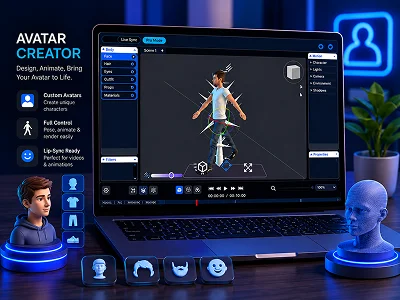 Ai avatar app development
Create and animate 3D avatars with AI support and hardware-free motion capture feature.
Entertainment
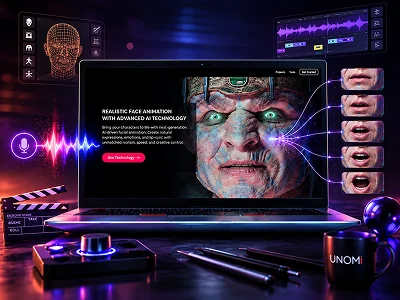 3d animation app development
A 3D lip sync suite that reduces character animation time by 70–80%.
Entertainment
 Food delivery app development
AI-powered ordering for local pizzerias with smart Food Delivery App and fast checkout.
Food & Delivery
Restaurant Apps
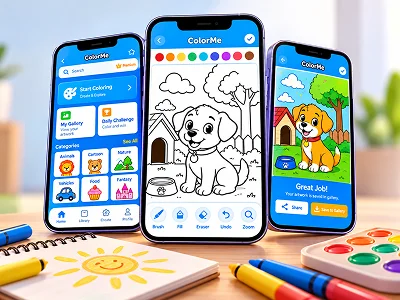
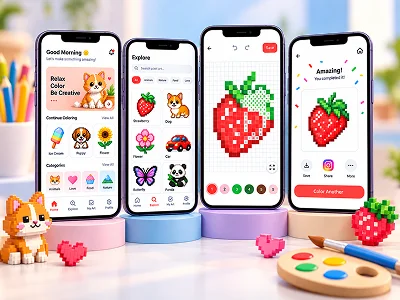 Art colouring app development
IOS beased pixel art coloring app for kids, built around AI-generated art patterns.
Education
Entertainment
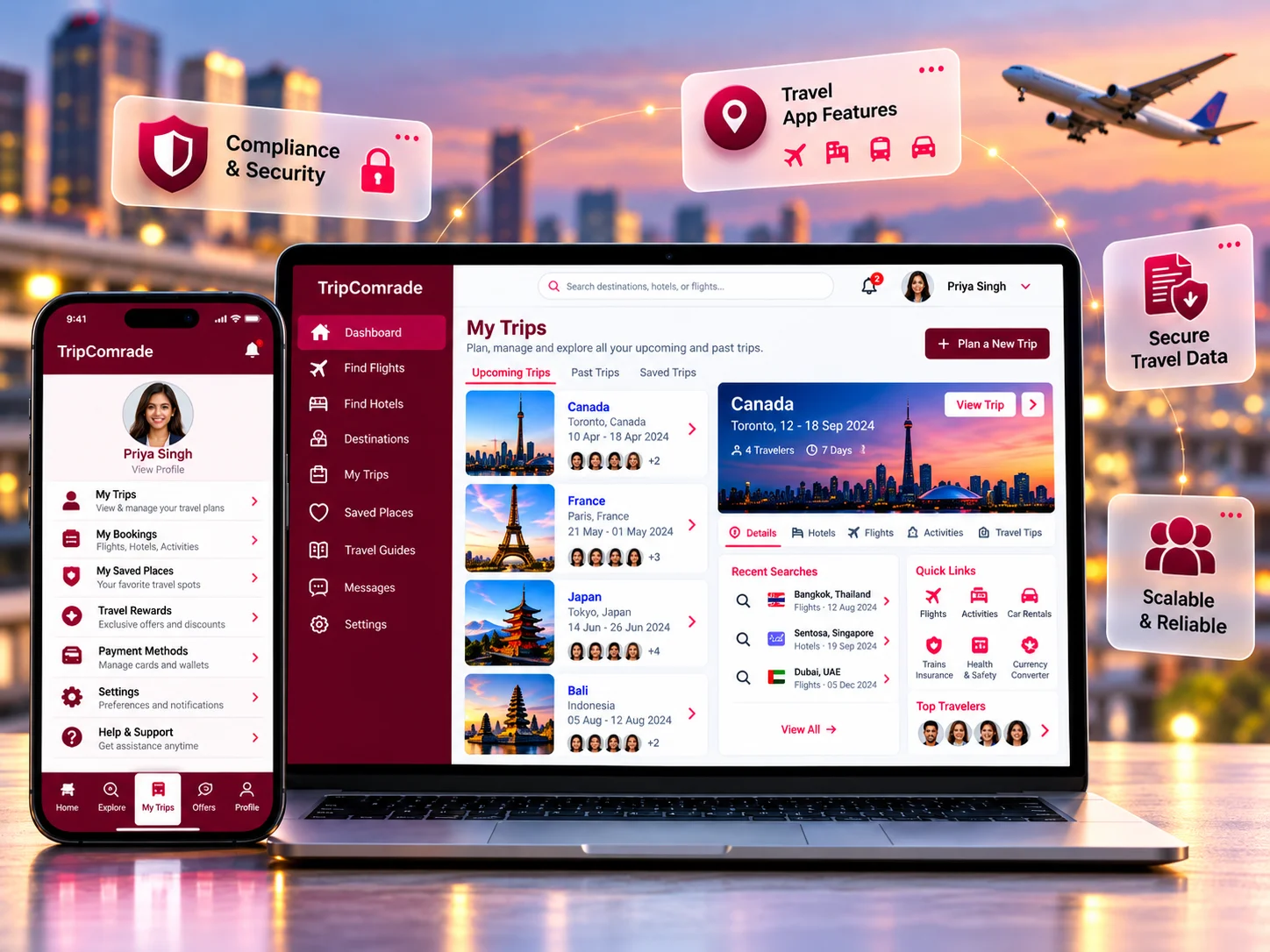
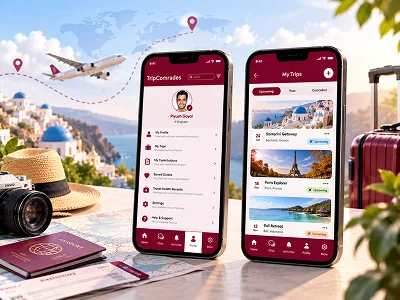 Go Group Travel
Community travel and trip recommendations app with AI, where travelers plan together.
Travel & Tourism
 Bahubali Bullion
Mobile gold trading app for Bullion & Jewellery dealers, built for Android and iOS.
Bullion & Trading
Fintech & Banking
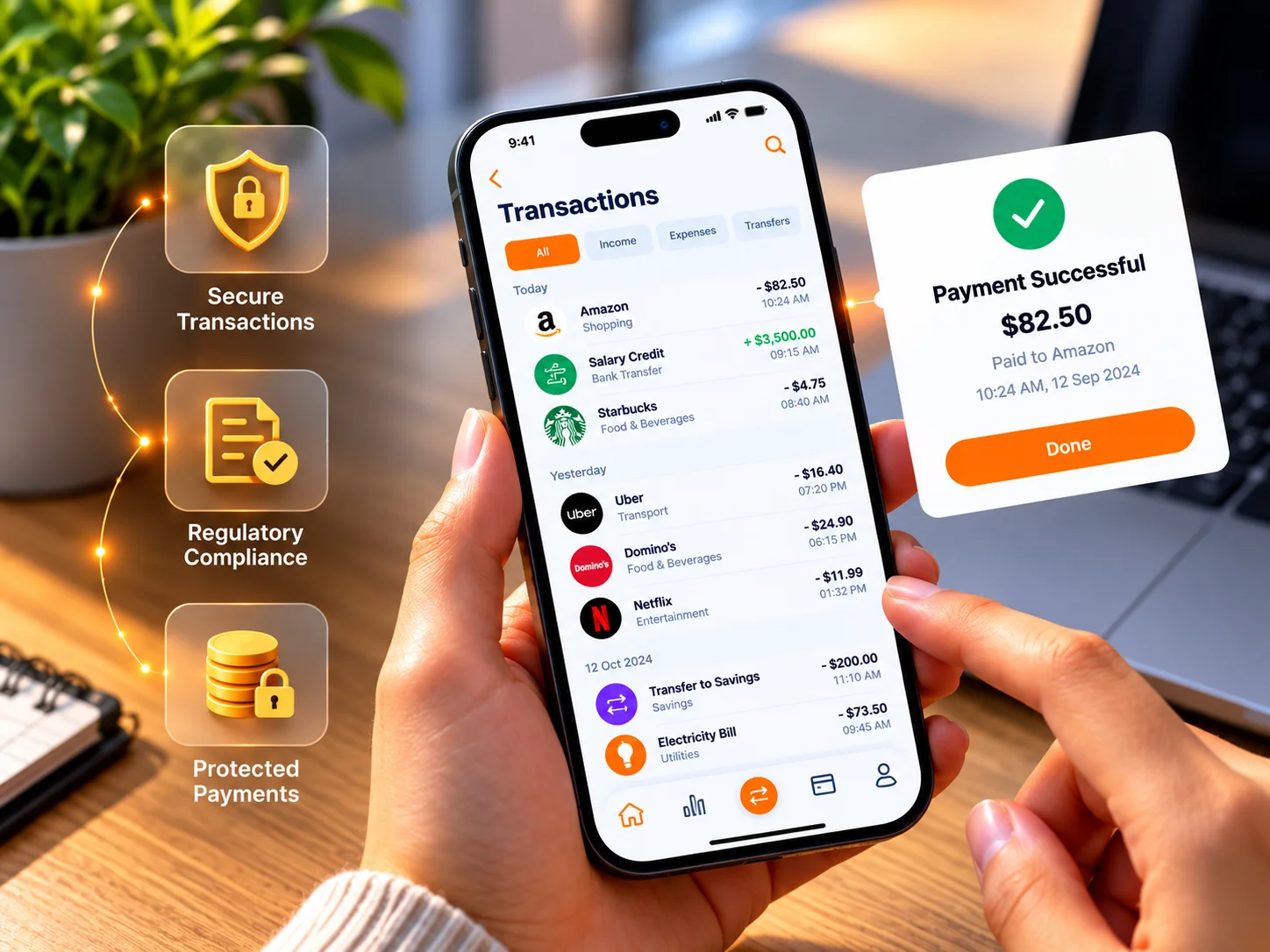
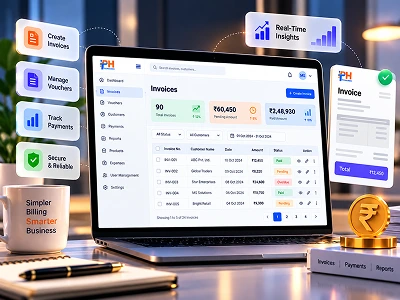 E-billing software development
A smart web e-billing platform that simplifies billing and financial operations.
Fintech & Banking
Discover more success stories and see how we've helped businesses achieve their goals.
Your health records are scattered across hospitals, labs, and apps — and you're the last one to see the full picture. IPH Technologies partnered with mEinstein LLC to build an AI-powered health platform that brings it all together, flags risks early, and keeps every bit of data securely on your device.
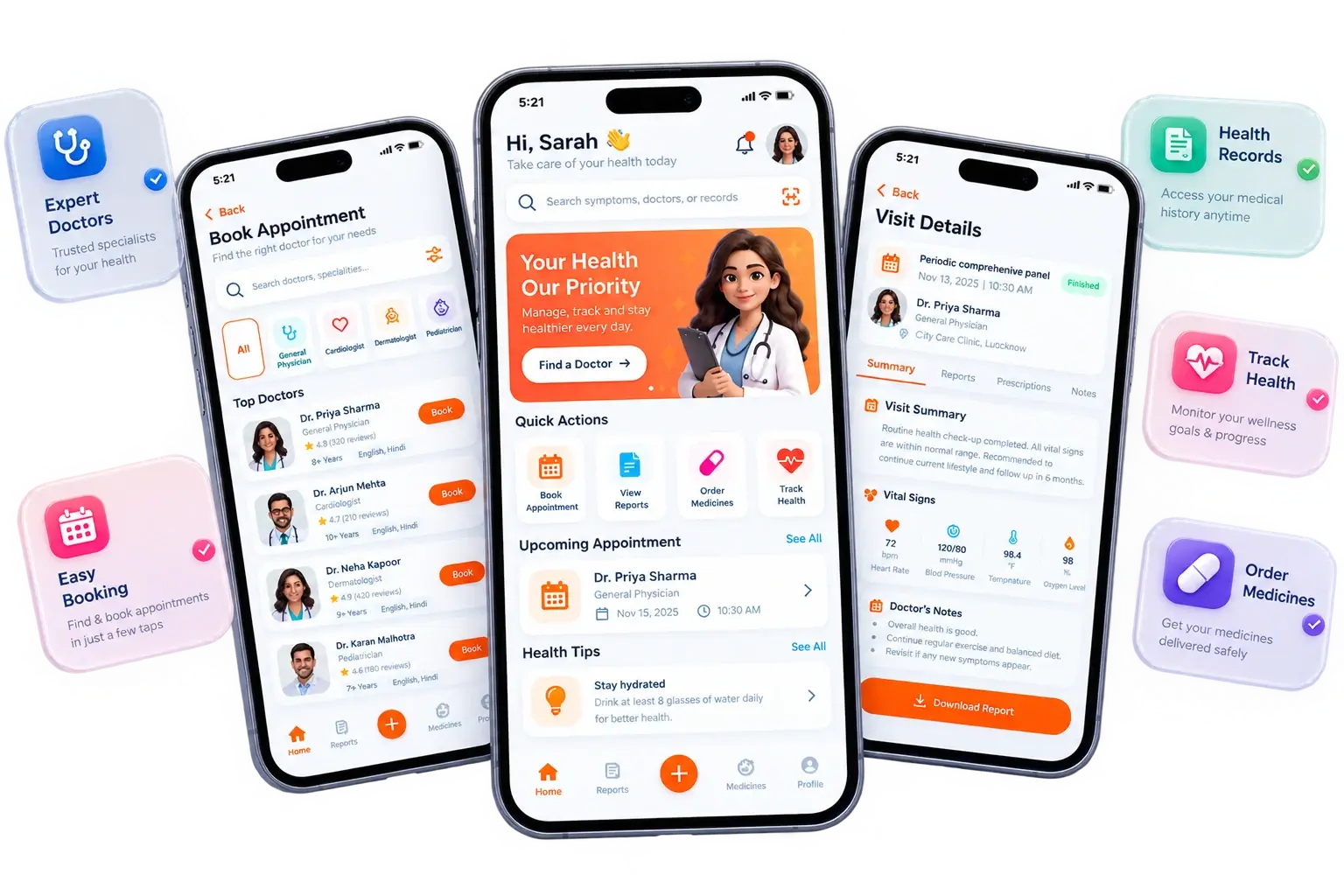
IPH Technologies served as the end-to-end AI health platform development partner for mEinstein LLC, engineering a secure, edge-native personal health ecosystem for iOS and Android that unifies medical records, surfaces AI-driven risk insights, and keeps every byte of health data under the user's control.
Healthcare data exists everywhere and is controlled by everyone, yet the one person it belongs to — the patient — is usually the last to benefit from it. That is the quiet reality of healthcare today.
Fragmented records. Medical data lives across hospitals, labs, clinics, insurance portals, and wearables, with no single view, no single owner, and no single source of truth.
Opaque insights. Patients struggle to understand what is actually in their records, so hidden risks, missed screenings, and medication conflicts often go unnoticed.
Data out of the user's hands. Most health apps trade convenience for data ownership — users get insights, but lose control of the underlying information.
A healthcare innovator approached IPH Technologies to solve all three problems at once, without compromising on privacy, which meant designing an AI health intelligence platform that is as trustworthy as it is powerful.
A privacy-first AI health intelligence platform has to unify sensitive medical data, run meaningful AI analysis, and still guarantee that data never leaves the user's control. For this project, we focused on several key engineering challenges:
Take a closer look at the app experience, from unified health record views to AI-generated insights and the encrypted personal vault.
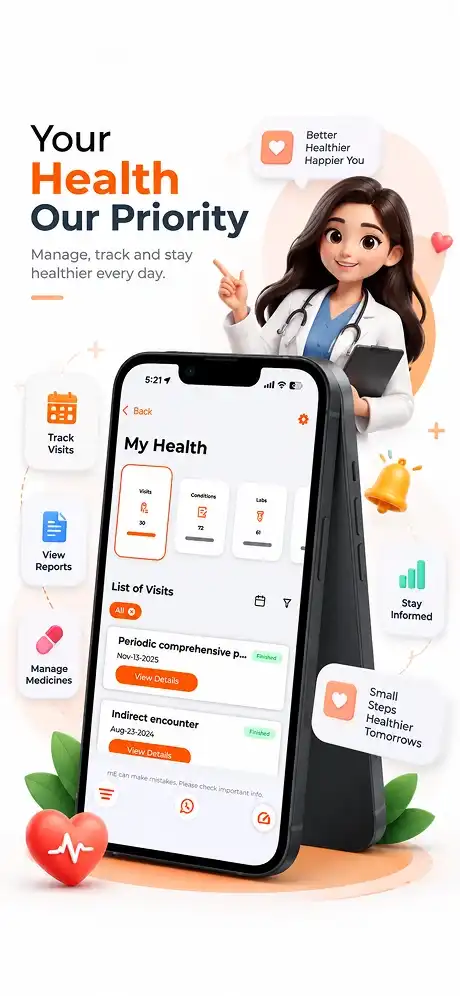
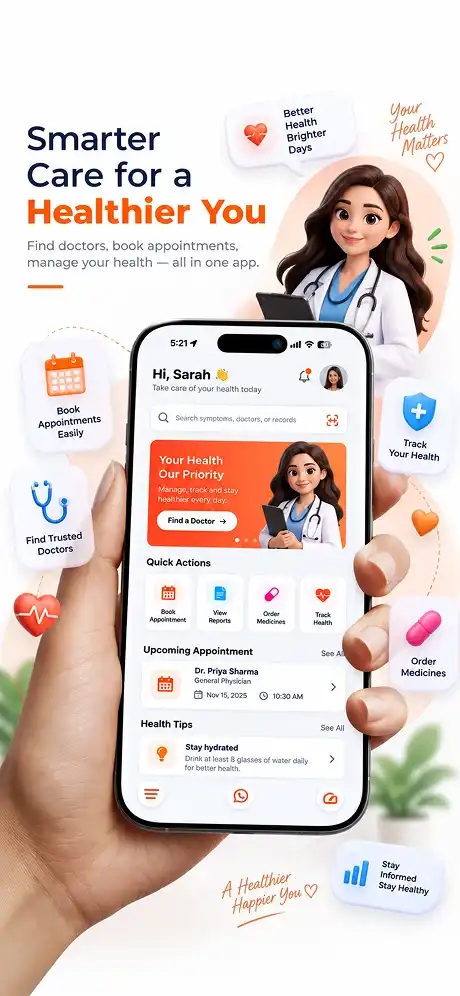
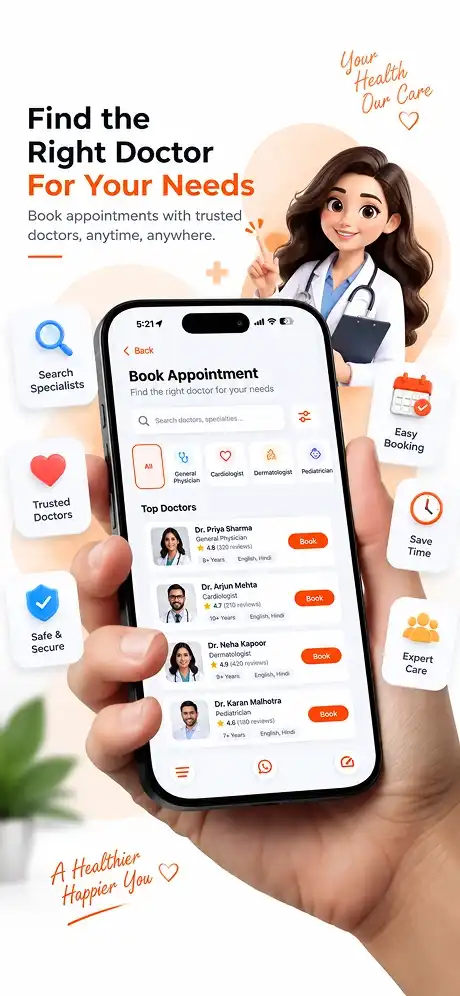
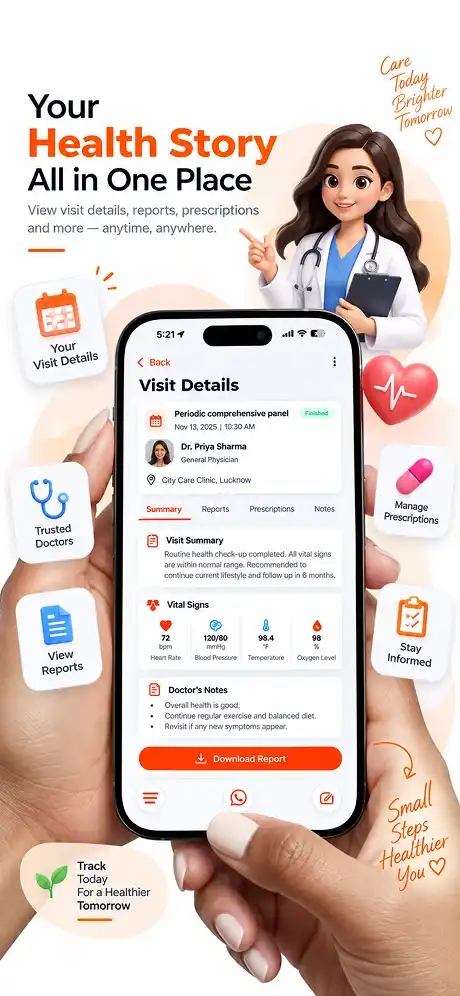
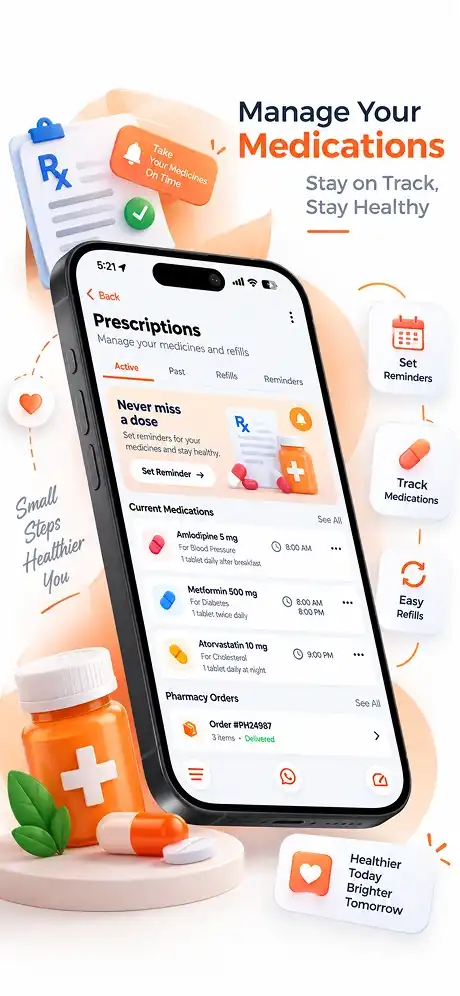
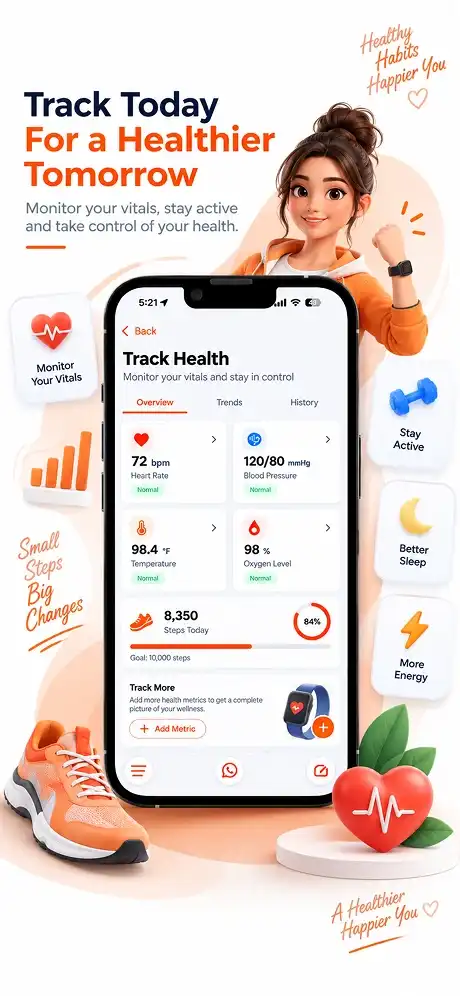
Every feature was designed around one idea: give users a complete, intelligent view of their health without ever asking them to give up ownership of their data.
The application uses an edge-native technology stack designed to support on-device AI inference, encrypted data storage, and reliable integration with hospital, insurance, and wearable data sources.
We followed a structured development process, with additional focus on privacy architecture, AI model design, health data interoperability, and regulatory alignment.
The Privacy-First AI Health Intelligence Platform was delivered as a production-ready ecosystem with native iOS and Android apps, on-device AI, an encrypted personal vault, and a full compliance-aligned consent framework.
The Privacy-First AI Health Intelligence Platform is a secure personal health ecosystem for iOS and Android that unifies medical records, runs AI risk detection on-device, and keeps users in full control of their data. IPH Technologies handled the project end-to-end, from strategy and design through AI development and deployment.
Built for a leading HealthTech client, the platform gives users a single, intelligent view of hospital records, lab results, prescriptions, insurance claims, and wearable data — with AI-driven risk insights delivered on-device, inside an end-to-end encrypted personal health vault.


Hear from our clients and why 3000+ businesses trust us

Lou Carpenter
Product Strategy, Digital Karma, LLC"We have been engaging with this team for a year now, and we are about to launch soon! This team is knowledgeable, reliable, and easy to work with. Project management has been on point and transparent with all actions made. They are polite, proactive, and easy to collaborate with. I highly recommend!"


Priya Vrat Misra
Founder, at reckoon“Exceptional quality of service, a great team. They developed the iOS version for Reckon & did a super job at it. Excellent suggestions were provided to improve the app & customer experience. Their expertise and dedication stood out. I am already ready to hire them again for the hybrid app for Reckoon.”

Mathew Ho
Founder & Director, at FlagCartIPH Technologies has a skilled team delivering results. They developed an iPhone version of a larger project within a tight timeline, with significant design enhancements. Cost-effective, responsive, and experienced with Apple submissions, they resolved issues quickly. I will work with them again!
We'll provide a free consultation with cost and timeline estimates
Your information is 100% protected by our NDA
Typical response time: under 2 minutes
1600+ transform engineers delivered
3000+ game changing products
 Businesses Firms
 Mobile App Daily
 DesignRush
 IT Firms
 GoodFirms
 AppFutura