


























































Highlights
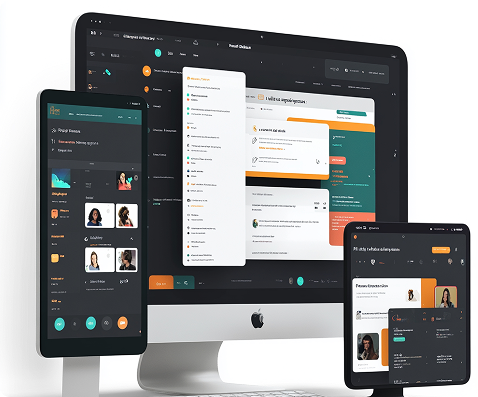
UI/UX Design
User-first, visually engaging interfaces crafted to enhance usability, boost engagement, and deliver seamless digital experiences.
Branding
Strategic brand identities that communicate your vision, build trust, and create a memorable presence across all touchpoints.
Wireframing
Structured layouts and user flows that map the product journey clearly before development begins, saving time and cost.
Prototype Design
Interactive prototypes that simulate real user interactions, helping validate ideas and refine experiences early.
Design Systems
Scalable design frameworks and reusable components that ensure consistency, speed, and efficiency across your product.
UI/UX Design

We design intuitive, user-centric interfaces that enhance engagement, improve usability, and deliver seamless digital experiences across all devices.

UI UX Design
  • User research and wireframing for clear flows
  • Modern UI design using Figma and Adobe XD
  • Interactive prototypes for better user experience testing
  • Usability testing and performance optimization improvements
  • Responsive design across all devices and screens
  • Scalable design systems with reusable UI components
Branding & Identity

We craft strong brand identities that communicate your vision, build trust, and create a lasting impression across all digital and offline touchpoints.

Branding and Identity
  • Logo design and brand identity creation
  • Brand guidelines and visual consistency systems
  • Color palette and typography selection strategy
  • Marketing materials and brand asset design
  • Social media branding and creative direction
  • Rebranding and brand positioning strategies
Wireframing

We create structured wireframes that define layout, user flow, and functionality, helping visualize ideas and build a strong foundation before design and development.

Wireframing
  • Low fidelity wireframes for initial structure
  • High fidelity wireframes with detailed layouts
  • User flow mapping for better navigation
  • Content hierarchy and layout planning
  • Clickable wireframes for early feedback
  • Clear structure before UI design phase
Prototype Design

We design interactive prototypes that simulate real user experiences, helping validate ideas, test functionality, and refine products before development.

Prototype Design
  • Interactive prototypes for real user experience
  • Clickable designs to test product functionality
  • User journey simulation for better understanding
  • Rapid prototyping for faster design validation
  • Feedback driven improvements before development
  • High fidelity prototypes with smooth interactions
Design Systems

We build scalable design systems that ensure consistency, improve collaboration, and accelerate product development across all platforms and teams.

Design Systems
  • Reusable UI components for consistent design
  • Design tokens for colors typography spacing
  • Component libraries for faster development workflow
  • Consistent branding across all digital products
  • Documentation for design and development teams
  • Scalable systems for growing product ecosystems
Highlights
Mobile Apps Development
High-performance Android and iOS mobile applications built with modern technologies, delivering seamless user experiences and robust functionality.
Desktop Application Dev
Powerful and secure desktop applications tailored for Windows, macOS, and Linux, designed for performance, scalability, and reliability.
Web App Development
Scalable and responsive web applications using modern frameworks like React, Angular, and Vue for fast, dynamic, and engaging experiences.
Cross-Platform
Cost-effective cross-platform solutions using Flutter and React Native, enabling a single codebase for both iOS and Android platforms.
PWA Development
Progressive Web Apps that combine the best of web and mobile, offering offline access, fast loading, and app-like experiences directly in the browser.
Highlights
Mobile App

Android

iOS

Flutter

Hybrid

Optimize

Native

Swift

Firebase

Android App Development

We craft powerful, scalable Android applications with intuitive UX, high performance, and deep integration with Google services.

Android App
  • Custom Android app development
  • Native Kotlin & Java apps
  • Google Play Store deployment
  • Material Design UI implementation
Kotlin

Kotlin

Java

Java

Flutter

Flutter

Android Studio

Android

Jetpack

Jetpack

iOS App Development

We build high-quality, user-centric iOS apps combining performance, security, and seamless design for Apple devices.

iOS App
  • Custom iOS app development
  • Native Swift & SwiftUI apps
  • Seamless Apple service integration
  • App Store review & deployment
Swift

Swift

SwiftUI

SwiftUI

Obj-C

Obj-C

Xcode

Xcode

Flutter

Flutter

Cross-Platform Apps

We develop cross-platform mobile apps that run flawlessly on both iOS and Android from a single codebase, saving time and cost.

Cross-Platform App
  • Single codebase for iOS & Android
  • Flutter & React Native development
  • Native-like performance & UI
  • Faster time-to-market
React Native

React Native

TypeScript

TypeScript

Redux

Redux

Firebase

Firebase

Dart

Dart

Hybrid Apps

We build hybrid mobile apps that blend web technologies with native capabilities, delivering broad reach and cost-effective development.

Hybrid App
  • Web + native feature integration
  • Ionic & Cordova frameworks
  • Reduced development costs
  • Multi-platform publishing
Flutter

Flutter

Dart

Dart

Firebase

Firebase

SQLite

SQLite

App Optimization

We enhance existing mobile apps with performance tuning, crash fixes, battery efficiency, and faster load times for a superior user experience.

App Optimization
  • Performance profiling & tuning
  • Memory & battery optimization
  • Crash analysis & bug fixing
  • App size reduction & load speed
Xcode

Xcode

Android Studio

Android

Firebase

Firebase

Java

Java

Highlights
Desktop App

Windows

macOS

Linux

Desktop

Electron

Qt

WinForms

GTK

Windows Apps

We develop robust Windows desktop applications using modern Microsoft technologies, delivering powerful tools for enterprise and consumer use.

Windows App
  • Custom Windows desktop applications
  • WPF & WinForms development
  • Microsoft Store deployment
  • Windows API & system integration
C#

C#

.NET

.NET

Electron

Electron

Visual Studio

Visual Studio

SQL Server

SQL Server

macOS Apps

We create elegant, high-performance macOS applications that leverage Apple's native frameworks for a smooth and delightful desktop experience.

macOS App
  • Native macOS app development
  • SwiftUI & AppKit integration
  • Mac App Store submission
  • Apple Silicon optimization
Swift

Swift

SwiftUI

SwiftUI

Obj-C

Obj-C

Xcode

Xcode

Cross-Platform Desktop

We develop cross-platform desktop applications that run seamlessly on Windows, macOS, and Linux from a single shared codebase.

Cross-Platform Desktop
  • Single codebase for all platforms
  • Electron & Tauri frameworks
  • Flutter for desktop support
  • Consistent UI across OS environments
Flutter

Flutter

Electron

Electron

Node.js

Node.js

TypeScript

TypeScript

Docker

Docker

Electron Apps

We build feature-rich Electron desktop apps using web technologies, enabling cross-platform deployment with native OS capabilities.

Electron App
  • Electron framework development
  • Node.js & Chromium integration
  • Auto-updater & native notifications
  • Cross-OS packaging & distribution
Electron

Electron

Node.js

Node.js

React

React

Vue

Vue

TypeScript

TypeScript

Highlights
Web App

React

Node.js

PHP

Laravel

Python

MySQL

JavaScript

HTML

CSS

React Development

We build fast, component-driven React web applications with modern state management, reusable UI, and seamless API integration.

React Development
  • Custom React SPA development
  • Redux & Context API state management
  • Next.js SSR & SSG support
  • REST & GraphQL API integration
React

React

Next.js

Next.js

Redux

Redux

TypeScript

TypeScript

Tailwind

Tailwind

Angular Development

We develop enterprise-grade Angular applications with structured architecture, two-way data binding, and robust TypeScript foundations.

Angular Development
  • Custom Angular SPA development
  • RxJS & NgRx state management
  • Angular Material UI components
  • Lazy loading & performance tuning
Angular

Angular

TypeScript

TypeScript

HTML

HTML

CSS

CSS

NPM

NPM

Node.js Backend

We build scalable, event-driven Node.js backends with RESTful APIs, real-time capabilities, and seamless database integrations.

Node.js Backend
  • RESTful & GraphQL API development
  • Express.js & Fastify frameworks
  • WebSocket & real-time features
  • MongoDB, PostgreSQL integration
Node.js

Node.js

Express

Express

MongoDB

MongoDB

GraphQL

GraphQL

Docker

Docker

Cloud Web Apps

We design and deploy cloud-native web applications on AWS, Azure, and GCP — scalable, secure, and built for high availability.

Cloud Web Apps
  • AWS, Azure & GCP deployment
  • Serverless architecture development
  • Auto-scaling & load balancing
  • CI/CD pipeline configuration
AWS

AWS

Azure

Azure

GCP

GCP

Docker

Docker

Kubernetes

Kubernetes

Full-Stack Dev

We deliver complete full-stack web solutions — from pixel-perfect frontends to robust backends — as a unified, end-to-end product.

Full-Stack Dev
  • Frontend & backend development
  • MERN & MEAN stack expertise
  • Database design & API architecture
  • DevOps, hosting & deployment
React

React

Node.js

Node.js

MongoDB

MongoDB

PostgreSQL

PostgreSQL

Docker

Docker

Highlights
Cross Platform

Flutter

R. Native

Xamarin

Ionic

Reuse

Electron

NW.js

Framework7

SwiftUI

Flutter Development

We build beautiful, natively compiled Flutter applications for mobile, web, and desktop from a single Dart codebase with pixel-perfect UI.

Flutter Development
  • Flutter mobile & web apps
  • Dart language development
  • Custom widget & animation creation
  • Firebase & REST API integration
Flutter

Flutter

Dart

Dart

Firebase

Firebase

GetX

GetX

Riverpod

Riverpod

React Native

We develop high-performance React Native apps that deliver a truly native experience on both iOS and Android using JavaScript and React.

React Native
  • Cross-platform iOS & Android apps
  • React Native CLI & Expo development
  • Native module & bridge integration
  • Redux & MobX state management
React Native

React Native

Redux

Redux

TypeScript

TypeScript

Firebase

Firebase

Xamarin

We develop Xamarin-based cross-platform apps using C# and .NET, enabling shared business logic across iOS, Android, and Windows.

Xamarin
  • Xamarin.Forms & MAUI apps
  • Shared C# codebase development
  • Native API access via bindings
  • Enterprise app integration
Xamarin

Xamarin

C#

C#

.NET MAUI

.NET

Azure

Azure

Visual Studio

Visual Studio

Ionic Framework

We create stunning Ionic applications that combine the power of web technologies with native device features for a seamless mobile experience.

Ionic Framework
  • Ionic Angular & React apps
  • Capacitor native plugin integration
  • Responsive mobile-first UI
  • PWA & hybrid app deployment
Ionic

Ionic

Angular

Angular

React

React

Vue

Vue

Code Reusability

We build reusable app architectures, reducing duplication, accelerating development, and ensuring seamless cross-platform consistency.

Code Reusability
  • Shared component library creation
  • Monorepo architecture setup
  • Design system implementation
  • Platform-agnostic business logic
Turborepo

Turborepo

Storybook

Storybook

Flutter

Flutter

React Native

React Native

Highlights
PWA

PWA

Offline

Push

Fast

App-Like

IndexedDB

Installable

Sync

Progressive Web Apps

We build Progressive Web Apps that combine the best of web and mobile — installable, reliable, and fast across all devices and browsers.

Progressive Web Apps
  • PWA architecture & manifest setup
  • Service worker implementation
  • Installable & home screen support
  • Cross-browser compatibility
HTML5

HTML5

CSS3

CSS3

JavaScript

JavaScript

Workbox

Workbox

Lighthouse

Lighthouse

Offline Support

We implement robust offline capabilities in your web apps using service workers and smart caching so users stay productive without connectivity.

Offline Support
  • Service worker caching strategies
  • IndexedDB offline data storage
  • Background sync implementation
  • Graceful offline fallback pages
Service Worker

ServiceWorker

Workbox

Workbox

IndexedDB

IndexedDB

Cache API

Cache API

Background Sync

BackgroundSync

Push Notifications

We integrate web push notification systems into your PWA to re-engage users with timely, personalized alerts even when the app is not open.

Push Notifications
  • Web Push API implementation
  • VAPID key & subscription management
  • Notification scheduling & targeting
  • Cross-browser push support
Web Push

Web Push

Firebase FCM

Firebase

OneSignal

OneSignal

Node.js

Node.js

Workbox

Workbox

Fast Loading

We optimize PWAs for lightning-fast load times using code splitting, lazy loading, and caching to deliver exceptional Core Web Vitals scores.

Fast Loading
  • Code splitting & lazy loading
  • Image & asset optimization
  • Core Web Vitals improvement
  • CDN & caching configuration
Webpack

Webpack

Lighthouse

Lighthouse

Vite

Vite

Cloudflare

Cloudflare

Workbox

Workbox

App-Like Experience

We craft PWAs that feel and behave like native mobile apps — with smooth animations, full-screen mode, gestures, and seamless transitions.

App-Like Experience
  • Full-screen & standalone display mode
  • Touch gestures & swipe navigation
  • Smooth page transitions & animations
  • App shell architecture
Web Manifest

Web Manifest

CSS Animations

CSS

Framer Motion

FramerMotion

React

React

Vue

Vue

Highlights
Custom Software
Fully tailored software solutions designed to match your unique business processes, improving efficiency and driving long-term growth.
Backend Systems
Robust and secure backend architectures built for high performance, scalability, and seamless integration with your applications.
Database Design
Efficient and scalable database structures optimized for fast queries, data integrity, and reliable performance at scale.
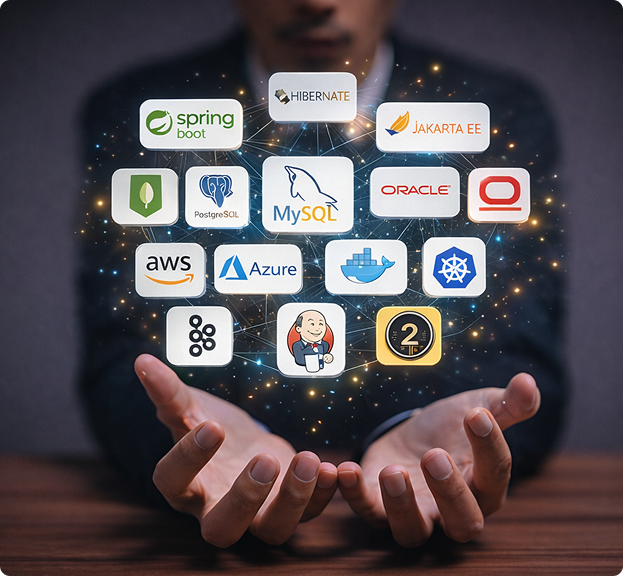
Cloud-Native
Modern cloud-native solutions using microservices and serverless architecture on AWS, Azure, and GCP for maximum flexibility and scalability.
API Development
Secure and well-documented RESTful and GraphQL APIs that enable seamless communication between systems and third-party integrations.
Custom Software

We develop tailored software solutions that align with your business goals, streamline operations, and deliver scalable, high-performance digital systems.

Custom Software Development
  • Custom software tailored to business needs
  • Scalable architecture for long term growth
  • Secure and high performance application development
  • API integration with third party services
  • Cloud based and enterprise software solutions
  • Ongoing maintenance and system optimization support
Backend Systems

We build robust backend systems that power applications with secure, scalable architecture, efficient data handling, and seamless integrations.

Backend Systems
  • Secure backend architecture and system design
  • Database design and performance optimization
  • API development for seamless integrations
  • Authentication and authorization system implementation
  • Server side logic and business workflows
  • Scalable infrastructure for high traffic applications
Database Design

We design efficient database structures that ensure data integrity, optimize performance, and support scalable, reliable application systems.

Database Design
  • Structured database schema design and planning
  • Efficient data modeling for scalable systems
  • Database optimization for faster query performance
  • Relational and non relational database solutions
  • Secure data storage and access management
  • Backup strategies and data recovery solutions
Cloud-Native Apps

We build cloud-native applications designed for scalability, resilience, and flexibility using modern cloud infrastructure and microservices architecture.

Cloud Native Apps
  • Cloud first architecture for scalable applications
  • Microservices based system design and deployment
  • Containerization using Docker and Kubernetes tools
  • Auto scaling infrastructure for high availability
  • Continuous integration and continuous deployment pipelines
  • Secure cloud environments with monitoring and logging
API Development

We develop secure and scalable APIs that enable seamless communication between systems, applications, and third party services.

API Development
  • RESTful API development for web applications
  • Secure API authentication and authorization systems
  • Third party API integration and data exchange
  • Scalable APIs for high traffic applications
  • API documentation for easy developer integration
  • Performance optimization and API response tuning
Highlights
Manual Testing
Detailed human-driven testing to uncover edge cases, validate user flows, and ensure a seamless, intuitive user experience.
Test Automation
Automated testing frameworks using Selenium, Cypress, and Appium to accelerate regression cycles and improve release confidence.
Performance
Load, stress, and scalability testing to ensure your application performs reliably under high traffic and demanding conditions.
Security Testing
Comprehensive security assessments including penetration testing and vulnerability analysis to safeguard your application.
Mobile QA
End-to-end mobile application testing across devices and platforms to ensure consistent performance, usability, and stability.
Manual Testing

We perform detailed manual testing to ensure software quality, identify issues early, and deliver reliable, user-friendly applications.

Manual Testing
  • Functional testing for application core features
  • UI testing for consistent user experience
  • Cross browser and device compatibility testing
  • Test case creation and execution processes
  • Bug tracking and detailed issue reporting
  • Regression testing after feature updates
Test Automation

We implement automated testing solutions to improve efficiency, reduce manual effort, and ensure faster, reliable software delivery.

Test Automation
  • Automated test scripts for faster execution
  • Regression testing using automation frameworks
  • Continuous testing within CI CD pipelines
  • Test coverage improvement across application modules
  • Reusable automation scripts for long term scalability
  • Performance and load testing automation solutions
Performance Testing

We evaluate application performance to ensure speed, stability, and scalability under different workloads and real-world conditions.

Performance Testing
  • Load testing for high traffic scenarios
  • Stress testing to identify system limits
  • Performance benchmarking and response time analysis
  • Scalability testing for growing user demands
  • Memory and resource usage optimization checks
  • Bottleneck identification and performance improvements
Security Testing

We identify vulnerabilities and secure applications against threats, ensuring data protection, compliance, and safe user interactions.

Security Testing
  • Vulnerability assessment and risk analysis testing
  • Penetration testing to identify security gaps
  • Authentication and authorization security validation
  • Data protection and encryption testing processes
  • Secure code review and security best practices
  • Compliance testing with industry security standards
Mobile QA

We ensure mobile applications deliver flawless performance, usability, and compatibility across devices, platforms, and environments.

Mobile QA
  • Mobile app testing across multiple devices
  • iOS and Android platform compatibility testing
  • UI testing for consistent mobile experience
  • Network and performance testing on mobile
  • App usability and user experience validation
  • App store readiness and release testing
Highlights
CI/CD Pipelines
Automated pipelines for building, testing, and deploying code, enabling faster releases, fewer errors, and continuous delivery.
Infrastructure
Scalable infrastructure provisioning using Infrastructure as Code (IaC) with Terraform and CloudFormation for consistency and reliability.
Deployment
Zero-downtime deployment strategies including blue-green and rolling deployments to ensure smooth and reliable releases.
Containerisation
Container-based architectures using Docker and Kubernetes for portability, scalability, and efficient resource utilization.
Monitoring
Real-time monitoring and observability using tools like Grafana, Prometheus, and Datadog to ensure system health and performance.
CI/CD Pipelines

We implement CI/CD pipelines to automate build, testing, and deployment, enabling faster releases, improved quality, and continuous delivery.

CI CD Pipelines
  • Automated build and deployment pipeline setup
  • Continuous integration for faster code validation
  • Continuous delivery for seamless release cycles
  • Integration with Git version control systems
  • Automated testing within CI CD workflows
  • Monitoring and rollback strategies for deployments
Infrastructure

We design and manage reliable infrastructure to ensure scalability, security, and high availability for modern applications and systems.

Infrastructure
  • Cloud infrastructure setup and configuration services
  • Server management and deployment automation solutions
  • High availability and load balancing implementation
  • Monitoring and logging for system performance tracking
  • Security hardening and infrastructure access controls
  • Scalable environments for growing application demands
Deployment

We manage seamless deployment processes to ensure applications are delivered efficiently, securely, and ready for production environments.

Deployment
  • Application deployment to cloud and servers
  • Automated deployment workflows for faster releases
  • Environment configuration and setup management
  • Version control and release management processes
  • Rollback strategies for safe deployment updates
  • Post deployment monitoring and performance checks
Containerization

We use containerization to package applications for consistency, scalability, and efficient deployment across different environments.

Containerization
  • Application containerization using Docker technologies
  • Environment consistency across development and production
  • Container orchestration with Kubernetes platforms
  • Scalable container deployment for microservices architecture
  • Efficient resource utilization and system isolation
  • Integration with CI CD pipelines for automation
Monitoring

We monitor systems and applications in real time to ensure performance, reliability, and quick issue detection and resolution.

Monitoring
  • Real time system performance monitoring tools
  • Application health checks and uptime tracking
  • Error tracking and issue alerting systems
  • Log management and analysis for debugging
  • Resource usage monitoring across infrastructure layers
  • Proactive issue detection and incident response
Highlights
Roadmap Planning
Strategic product roadmaps aligned with business goals, helping prioritize features, manage timelines, and deliver maximum value.
Team Coordination
Efficient coordination across design, development, and QA teams to ensure smooth collaboration and on-time project delivery.
Growth Strategy
Data-driven product strategies focused on user acquisition, retention, and continuous improvement to drive sustainable growth.
Agile Sprints
Agile methodologies like Scrum and Kanban to deliver iterative releases, improve flexibility, and maintain predictable progress.
Stakeholder Mgmt
Clear communication and alignment with stakeholders through regular updates, reporting, and feedback loops to ensure project success.
Roadmap Planning

We create strategic roadmaps that align with your business goals, helping prioritize features, plan execution, and ensure long-term success.

Roadmap Planning
  • Product roadmap planning aligned with business objectives
  • Feature prioritization based on user and market needs
  • Timeline planning for efficient project execution phases
  • Technology stack selection for scalable solutions
  • Risk assessment and mitigation strategy planning
  • Continuous roadmap updates based on performance insights
Team Coordination

We ensure smooth collaboration across teams to improve productivity, streamline workflows, and deliver projects efficiently on time.

Team Coordination
  • Cross functional team collaboration and communication
  • Agile workflow management and sprint planning processes
  • Task tracking and project progress visibility tools
  • Clear role assignment and responsibility management
  • Regular updates and performance review meetings
  • Efficient coordination between design development teams
Growth Strategy

We develop data-driven growth strategies to scale your business, increase user acquisition, and maximize long-term revenue potential.

Growth Strategy
  • Market analysis and competitive growth planning strategies
  • User acquisition and retention optimization techniques
  • Data driven decision making and performance insights
  • Scalable business models for long term expansion
  • Conversion rate optimization across digital platforms
  • Continuous growth tracking and strategy refinement
Agile Sprints

We follow agile sprint methodologies to deliver faster iterations, improve collaboration, and ensure continuous product improvement.

Agile Sprints
  • Sprint planning and backlog prioritization processes
  • Daily standups for team alignment and progress tracking
  • Iterative development with continuous feedback cycles
  • Task management using agile tools and workflows
  • Regular sprint reviews and performance retrospectives
  • Faster delivery with incremental feature releases
Stakeholder Management

We ensure clear communication and alignment with stakeholders to drive project success, transparency, and informed decision making.

Stakeholder Management
  • Regular stakeholder communication and reporting processes
  • Requirement alignment with business goals and expectations
  • Feedback collection and continuous improvement strategies
  • Transparent project updates and progress visibility
  • Risk identification and stakeholder expectation management
  • Collaborative decision making for project success

What Top App Developers Don’t Always Tell You About Maintenance Costs

Introduction: The Hidden Side of App Development

Picture this scenario: you’ve just invested fifty thousand dollars into developing your dream mobile app. The design is sleek, the functionality is smooth, and you’re ready to conquer the digital marketplace. Fast forward twelve months, and you’re staring at invoices that look more like a second mortgage payment. Sound familiar? You’re not alone in this journey.

Here’s something most app developers won’t emphasize during those exciting initial meetings: building your app is only the beginning of your financial commitment. The real story unfolds after launch, in the maintenance phase that many businesses drastically underestimate or completely overlook. Think of your app like a car—you wouldn’t expect to drive it for years without oil changes, tire rotations, or the occasional repair, would you? Your mobile application demands the same ongoing attention, and it comes with a price tag that might surprise you.

In Q2 2024 alone, Google removed 900,000 apps from the Play Store, with 74% of these apps classified as abandoned because they hadn’t been updated in over two years by developers. This startling statistic reveals a harsh truth: neglecting app maintenance doesn’t just cost you money—it can cost you everything you’ve built. But how much should you actually budget for keeping your app alive and thriving? And more importantly, what are those expenses you need to know about before they blindside your business plan?

At IPH Technologies, we’ve guided over 430 satisfied clients through more than 500 successful projects, and we’ve learned that transparency about maintenance costs from day one makes all the difference. Throughout this comprehensive guide, we’ll pull back the curtain on what top app developers don’t always tell you about maintenance costs, helping you plan smarter and avoid the financial surprises that catch so many businesses off guard.

Understanding What App Maintenance Really Means

Beyond Bug Fixes and Updates

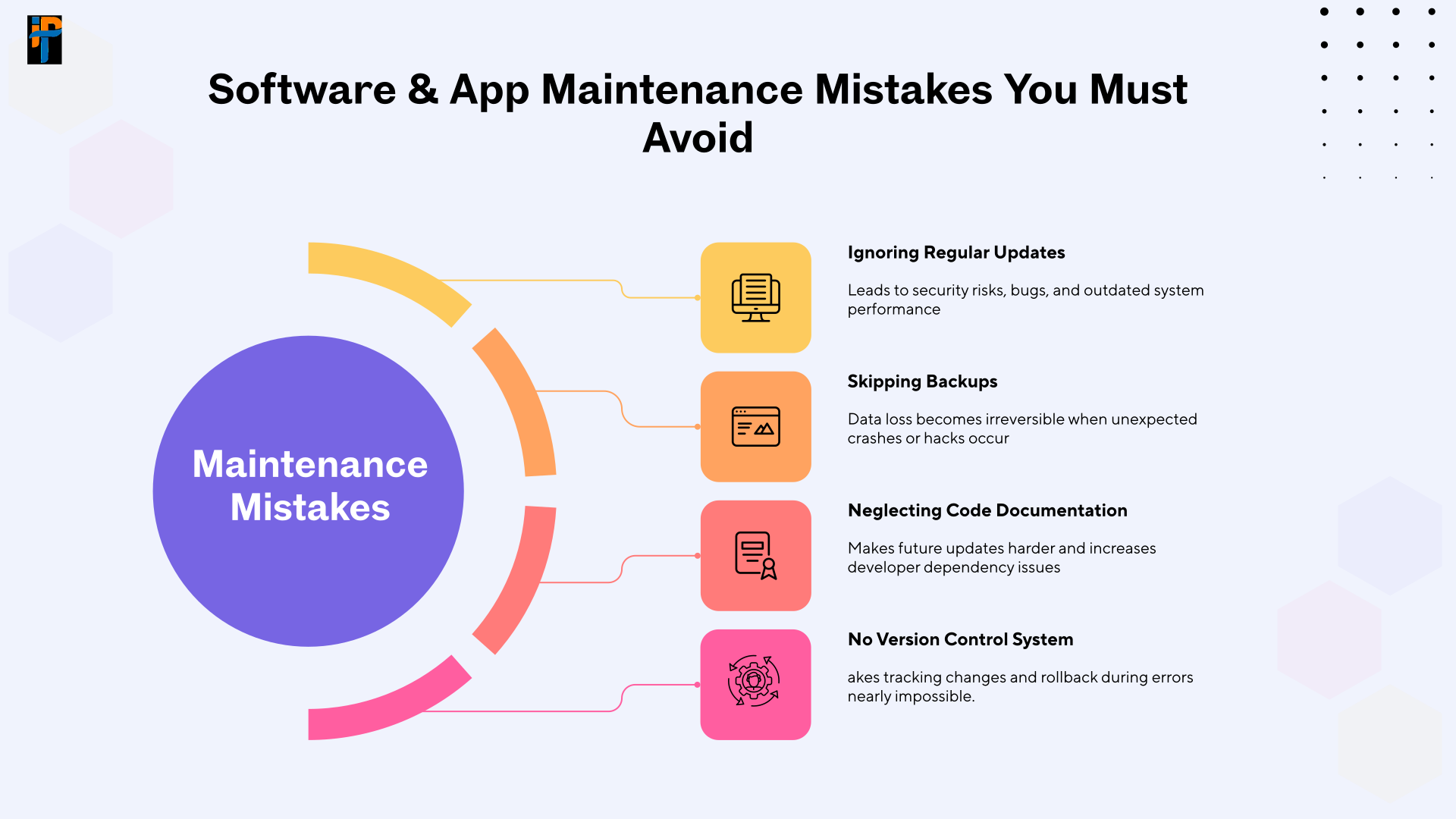
When most people hear “app maintenance,” they immediately think about fixing bugs or patching security holes. While those tasks are certainly part of the equation, the reality is far more comprehensive. App maintenance encompasses everything required to keep your application functional, relevant, secure, and competitive after it launches into the wild.

Maintenance includes updating your code to work seamlessly with new operating system versions that Apple and Google release multiple times per year. It involves optimizing performance to ensure your app loads quickly and doesn’t drain battery life. It means refreshing user interfaces to match evolving design standards and user expectations. And perhaps most critically in today’s digital landscape, it requires constantly enhancing security measures to guard against emerging vulnerabilities and cyber threats.

The frequency of cyberattacks reached 83% in 2025, compared to 65% in 2024, making security updates more crucial than ever before. Your app doesn’t exist in a vacuum—it operates within an ecosystem of constantly changing technologies, regulations, and user behaviors. Effective maintenance means adapting to all these external factors so your app continues delivering value rather than becoming obsolete.
Why Maintenance Isn’t Optional Anymore

There was perhaps a time when you could launch an app and let it run with minimal intervention for extended periods. Those days are long gone. Today’s app stores have become increasingly aggressive about removing applications that don’t meet current standards or haven’t been updated recently. In 2024, a staggering 2.6 million apps were removed from major app stores, with 2.1 million from Google Play and 500,000 from Apple’s App Store.

Beyond store policies, your users themselves have become far less forgiving. Studies show that over 80% of users uninstall an app within 90 days if the experience is poor. Think about your own behavior with apps on your phone. How quickly do you delete an application that crashes frequently, loads slowly, or just feels outdated compared to competitors? Your users are making those same split-second decisions about your app every single day.

The competitive landscape has shifted dramatically, too. With millions of apps available at users’ fingertips, standing still means falling behind. Your competitors are updating their apps, adding features, improving performance, and enhancing security. If you’re not doing the same, you’re essentially handing your user base to them on a silver platter.

Also Read – Build a Fundable MVP in 2025: The Ultimate Founder’s Guide

The Shocking Truth About Annual Maintenance Costs

The 15-20% Rule Nobody Mentions Upfront

Here’s the number that catches most businesses completely off guard: app maintenance costs typically run 15% to 20% of the total mobile app development cost annually. Let that sink in for a moment. If you invested $100,000 in building your app, you should be budgeting between $15,000 and $20,000 every single year just to keep it running properly.

Why don’t more developers emphasize this figure during initial discussions? Sometimes it’s an oversight, sometimes they assume you already know, and occasionally it’s because they don’t want to scare potential clients away with the full financial picture. But regardless of the reason, this lack of transparency creates serious problems down the road when businesses suddenly face unexpected expenses they never planned for.

The challenge is that this percentage isn’t a one-time payment or a temporary expense. It’s an ongoing annual commitment for as long as you want your app to remain active and competitive in the marketplace. Think of it as a subscription to your app’s viability—if you stop paying, your app slowly dies through obsolescence, security vulnerabilities, and incompatibility with newer devices.

Real-World Cost Examples

Let’s break down what these percentages actually mean in concrete dollar amounts across different app complexity levels:

Small, Simple Apps: If your straightforward utility app or basic content platform cost $30,000 to develop, you’re looking at approximately $4,500 to $6,000 in annual maintenance costs. This might cover basic hosting, occasional bug fixes, and minimal updates to stay compatible with new OS versions.

Mid-Size Apps with Moderate Complexity: For a more feature-rich application that cost $150,000 to build—perhaps an e-commerce platform or a social networking app with multiple integrations—your annual maintenance budget should sit around $22,500 to $30,000. This covers more frequent updates, additional third-party service costs, and more robust security requirements.

Enterprise-Level Complex Applications: Enterprise-level platforms can exceed $100,000 to $500,000+ annually in maintenance costs. These sophisticated apps with extensive databases, complex integrations, high security requirements, and large user bases demand significant ongoing investment to maintain their performance and security standards.

One New York fintech launched its MVP for $200,000 in May 2024, and by April 2025 had poured another $95,000 into maintenance, including $38,000 for PCI-DSS compliance updates after new Stripe policies and $27,000 for bug fixes and crash analytics after user growth tripled. This real-world example demonstrates how quickly maintenance costs can accumulate, especially when your app experiences rapid growth or operates in a highly regulated industry.

Also Read – In-House vs. Outsourcing Development 2025: Full Cost-Benefit Guide

Types of App Maintenance You’ll Actually Need

Corrective Maintenance: Fixing What’s Broken

Corrective maintenance is probably what you imagined when you first thought about app maintenance. This category covers identifying and fixing bugs, addressing performance bottlenecks, and resolving issues that users report. It’s the emergency response team of your maintenance strategy.

Nobody launches an app with intentional bugs, but they inevitably emerge once your application meets real-world usage patterns. A feature that worked perfectly in testing might crash under specific conditions you never anticipated. An integration that functioned flawlessly might fail when a third-party service updates its Custom API. If it’s a simple bug fix, you might pay around $50, but if it’s a major functional aspect requiring updates, costs could reach $1,000 to $2,000 as developers may need 2 to 3 weeks to resolve these issues.

The key to managing corrective maintenance costs is catching problems early before they compound into larger issues. Regular monitoring and quick responses to user feedback can keep these expenses manageable and prevent the kind of critical failures that require expensive emergency fixes.

Adaptive Maintenance: Keeping Up with Technology

This is where many businesses get caught off guard because they underestimate how frequently the technology landscape shifts beneath their apps. Adaptive maintenance ensures your application remains compatible with new operating system versions, API changes, device specifications, and app store policies.

iOS and Android platforms release new updates frequently, and with such changes in operating systems and making the app compatible, you need to spend around $10,000 over a year on maintenance expenses. These aren’t optional updates you can skip—if your app doesn’t work with the latest iOS or Android version, you’ll start losing users immediately as they upgrade their devices.

Third-party services you’ve integrated into your app also evolve constantly. Every time there is an update or change to an API, you need to make corresponding changes in your app, and maintenance for APIs can cost around $5,000 per year. Whether it’s payment processing, maps, social media integration, or analytics services, these external dependencies require ongoing attention to maintain functionality.

Perfective Maintenance: Making Things Better

Perfective maintenance goes beyond keeping things working—it’s about making them work better. This category includes performance optimizations, user interface improvements, enhanced features, and refinements based on user feedback and behavior data.

Have you ever noticed how apps you use regularly seem to get slightly better over time? That’s perfective maintenance in action. Maybe the checkout process becomes smoother, the navigation feels more intuitive, or new features appear that you didn’t know you needed but now can’t imagine living without. These improvements keep users engaged and give you competitive advantages in crowded marketplaces.

The challenge with perfective maintenance is deciding which improvements justify their costs. Not every enhancement idea makes financial sense, and prioritizing based on user impact and business value requires careful analysis of usage data and strategic thinking about your app’s future direction.

Preventive Maintenance: Stopping Problems Before They Start

Preventive maintenance might be the most underappreciated category because its successes are invisible—the problems that never happen. This proactive approach includes implementing security patches before vulnerabilities are exploited, optimizing databases before they slow down, and refactoring code before technical debt becomes overwhelming.

Security is perhaps the most critical aspect of preventive maintenance. Waiting until you experience a data breach to address security vulnerabilities is like waiting until your house is on fire to install smoke detectors. The damage—both financial and reputational—far exceeds the cost of proactive security measures.

Performance optimization also falls under this category. If you wait until users complain about slow load times to address performance issues, you’ve already lost users. Regular performance monitoring and optimization keep your app running smoothly before users notice any degradation.

Also Read – Top 15 Benefits of IT Staff Augmentation for Startups & Enterprises in 2025

The Complete Cost Breakdown (What You’re Really Paying For)

Fixed Costs: The Non-Negotiables

App Store Fees and Hosting

Let’s start with the expenses you absolutely cannot avoid if you want your app available to users. Apple charges $99 annually for its Developer Program membership, while Google takes a one-time fee of $25 for its Play Store. These are straightforward and predictable, but they’re just the beginning of your fixed costs.

App hosting costs per year can range from $70 to $320 for hosting servers, though this varies dramatically based on your app’s data usage, user base size, and feature complexity. A simple app with minimal server requirements sits at the lower end, while apps handling video streaming, processing large amounts of data, or supporting thousands of concurrent users will find themselves at the higher end or beyond.

Cloud hosting services like Amazon Web Services (AWS), Google Cloud, or Microsoft Azure offer scalable solutions where you pay based on actual usage. This flexibility is great when you’re starting small, but costs can escalate quickly as your user base grows. The challenge is that increasing your server capacity isn’t optional when traffic grows—it’s either scale up or watch your app crash under the load.

Third-Party Services and Integrations

Your app likely relies on various third-party services to function properly. These might include cloud storage for user data, content delivery networks (CDNs) for fast media loading, push notification services to engage users, analytics platforms to understand user behavior, and authentication services for secure logins.

Each of these services comes with its own pricing structure, typically based on usage tiers. You might start on free plans during development and early launch, but as your user base grows, you’ll inevitably need to upgrade to paid tiers. The total cost of these services varies widely depending on your app’s specific needs, but budgeting $100 to $500 monthly is common for apps with moderate usage.

Here’s a detailed breakdown of typical fixed monthly costs:

Cost Category Monthly Range Annual Range Notes
App Store Fees $8 (Apple only) $99 + $25 one-time Apple: $99/year, Google: $25 lifetime
Basic Hosting $70 – $320 $840 – $3,840 Varies with server requirements
Cloud Storage $10 – $100 $120 – $1,200 Scales with data volume
Push Notifications $0 – $50 $0 – $600 Free tier available, paid for volume
Analytics Services $0 – $150 $0 – $1,800 Basic versions often free
CDN Services $20 – $200 $240 – $2,400 Essential for media-heavy apps
Authentication Services $0 – $100 $0 – $1,200 Free for small user bases
Total Fixed Costs $108 – $928+ $1,299 – $11,139+ Minimum expected baseline

Variable Costs: The Unpredictable Expenses

Operating System Updates

Here’s where maintenance costs become significantly less predictable. Apple and Google both release major iOS and Android updates annually, typically in September or October, along with smaller updates throughout the year. Each update has the potential to break functionality in your app that worked perfectly before.

iOS and Android typically release betas in June, with public releases by September, and teams that test on beta builds cut compatibility bugs by up to 70% and avoid the mad sprint that hits many apps each fall. This proactive testing requires developer time and resources, but it’s far less expensive than scrambling to fix compatibility issues after millions of users have already upgraded their devices.

The challenge is that you can’t simply ignore these updates. When Apple or Google releases a new OS version, adoption rates among users are remarkably fast. Within months, the majority of your user base will have upgraded, and if your app doesn’t work on the new version, you’ll see crash rates spike and reviews plummet.

Security Patches and Compliance

Security threats evolve constantly, and maintaining robust security requires ongoing vigilance and investment. New vulnerabilities are discovered in frameworks, libraries, and third-party services your app depends on, requiring immediate patches to protect user data.

For apps operating in regulated industries, compliance requirements add another layer of complexity and cost. Healthcare apps must maintain HIPAA compliance, financial apps need PCI-DSS certification, and virtually all apps collecting user data must comply with regulations like GDPR in Europe or CCPA in California. GDPR violations can result in penalties of up to 4% of annual global turnover, making compliance not just important but financially critical.

These compliance requirements aren’t static either. Regulations evolve, and what was sufficient last year might not meet this year’s standards. Staying compliant requires ongoing legal consultation, regular security audits, and implementing new protective measures as regulations change.

What Top Developers Don’t Always Reveal Upfront

The First Year Is Always More Expensive

Here’s a truth that often comes as an unwelcome surprise: your first year of maintenance will almost certainly cost more than subsequent years. First-year maintenance costs can spike to 50% of the original development budget when bug-fix sprints, OS updates, and security patches converge. Why does this happen?

During the first year post-launch, you’re essentially debugging your app under real-world conditions with actual users. No matter how thorough your testing was during development, users will find edge cases, unusual usage patterns, and unexpected scenarios that reveal bugs you never encountered. You’ll also receive feature requests based on actual usage that might require adjustments to your original vision.

Additionally, you’re learning optimal configurations for your hosting setup, fine-tuning performance, and adjusting third-party service selections based on actual usage patterns rather than projections. This learning curve costs money as you experiment and optimize.

Hidden Costs That Catch Everyone Off Guard

Staff Training and Knowledge Transfer

Training is the most underestimated expense in terms of hidden software costs, and the biggest mistake businesses make is assuming their staff maintaining the app will stay with them forever. Personnel turnover is inevitable in any business, and when someone with crucial domain knowledge about your app leaves, you’re facing both direct and indirect costs.

The direct cost is training their replacement to understand your app’s architecture, codebase, integrations, and quirks. Even an experienced developer needs time to become productive with a new application. The indirect cost is the productivity loss during this transition period and the potential for mistakes while the new person is still learning.

Some businesses try to mitigate this risk by documenting everything thoroughly, but documentation always lags behind the actual codebase. Others maintain relationships with their original development team for knowledge continuity—this is one advantage of partnering with an established firm like IPH Technologies, where institutional knowledge persists even if individual team members change.

Emergency Fixes and Downtime Costs

Emergency fixes are far more expensive than routine updates because they demand rapid developer response, often outside normal work hours. When a critical bug surfaces at midnight on a Saturday, you can’t wait until Monday morning to address it—especially if it’s affecting revenue generation or compromising user data.

For an e-commerce app, even a one-hour outage during peak shopping times may mean thousands in lost sales. Major companies like Bank of America Online Banking, Blackberry, and Amazon Web Services have all experienced significant financial hits due to downtime. The costs of emergency fixes include premium developer rates for urgent work, potential revenue loss during the outage, and the damage to your brand reputation that comes from reliability issues.

The Technical Debt Nobody Talks About

Refactoring is another side of maintenance worth highlighting, as developers sometimes write code that’s just good enough to pass basic testing, compliance, or limitations, planning to clean it up later. This accumulated technical debt might not cause immediate problems, but it compounds over time, making future changes more difficult and expensive.

Think of technical debt like financial debt—you can take it on strategically to move faster in the short term, but it accrues interest in the form of increased maintenance complexity. Eventually, you need to pay it down through refactoring efforts, or it becomes so overwhelming that major portions of your app need rebuilding from scratch.

The challenge is that technical debt is invisible to users and doesn’t present immediate crises, so it’s easy to defer addressing it. But experienced developers understand that managing technical debt proactively costs far less than dealing with its consequences later when it constrains your ability to add features or fix bugs efficiently.

Also Read – AI Agents Explained: Why They Matter and Real-World Use Cases

How Maintenance Costs Vary by App Complexity

Not all apps are created equal, and maintenance costs reflect these differences dramatically. Understanding where your app falls on the complexity spectrum helps you budget appropriately and set realistic expectations.

Here’s a comprehensive breakdown of maintenance costs across different app types:

App Complexity Level Annual Maintenance Cost Percentage of Dev Cost Key Maintenance Drivers Example App Types
Simple Apps $3,000 – $10,000 15-18% Basic hosting, minimal updates, simple bug fixes Calculators, flashlight apps, basic utilities, simple content apps
Mid-Size Apps $10,000 – $50,000 15-20% Regular feature updates, multiple integrations, moderate user base E-commerce platforms, booking systems, social networks, fitness trackers
Complex Apps $50,000 – $100,000 18-22% Frequent updates, extensive integrations, and high security needs Fintech apps, healthcare platforms, enterprise solutions, and on-demand services
Enterprise Apps $100,000 – $500,000+ 20-25%+ Regulatory compliance, massive scale, complex infrastructure, 24/7 support Banking applications, large-scale logistics platforms, and major SaaS products

Several factors push apps toward higher maintenance costs. Apps handling sensitive data like financial or health information face stricter security and compliance requirements. Applications with large user bases require more robust infrastructure and extensive performance monitoring. Apps integrating numerous third-party services face more frequent compatibility updates as those services evolve.

Geographic considerations matter too. If your app operates globally, you’re dealing with multiple regulatory frameworks, localization requirements for different languages and regions, and the complexity of supporting users across different time zones with varying support expectations.

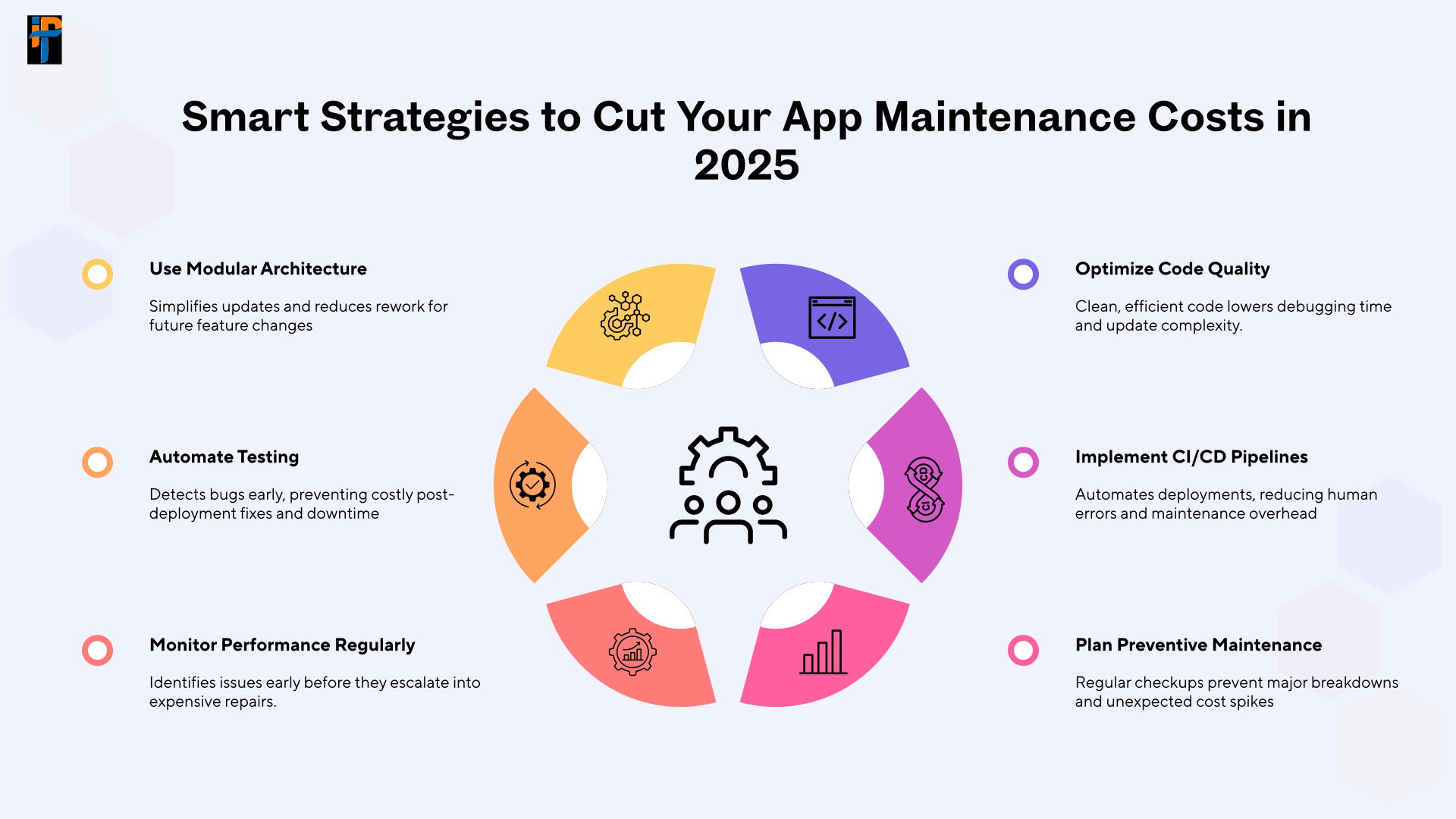
Smart Strategies to Reduce Maintenance Costs

Start with an MVP Approach

One of the most effective ways to manage maintenance costs is controlling them from the start through a Minimum Viable Product (MVP) approach. Instead of building every feature you’ve dreamed up immediately, you launch with core functionality that delivers value to users, then iterate based on actual usage data and feedback.

Why does this reduce maintenance costs? Simple: fewer features mean less code to maintain, fewer potential bug sources, simpler architecture, and reduced infrastructure requirements. You can always add features later based on what users actually want rather than what you assumed they’d want.

At IPH Technologies, we’ve guided hundreds of clients through MVP development, helping them identify which features are truly essential for launch and which can wait. This strategic approach not only reduces initial development costs but sets you up for more manageable maintenance expenses going forward.
Choose the Right Technology Stack

Your technology choices during development have long-term maintenance implications. Some frameworks and programming languages have larger developer communities, better documentation, and more readily available talent—all factors that affect maintenance costs down the road.

Cross-platform development frameworks like React Native or Flutter can significantly reduce maintenance costs by allowing you to maintain a single codebase that works on both iOS and Android. Instead of paying developers to fix the same bug twice—once for each platform—you fix it once in your shared codebase.

However, the right choice depends on your specific needs. Some apps benefit from native development for maximum performance or access to platform-specific features. The key is making informed decisions with long-term maintenance in mind, not just focusing on getting to launch as quickly as possible.

Partner with the Right Development Team

Perhaps the most important factor in managing maintenance costs is choosing the right development partner. At IPH Technologies, we don’t just build your app and disappear. Our comprehensive approach considers the entire lifecycle of your application from initial concept through ongoing maintenance and evolution.

With over 500 successful projects completed for 430+ satisfied clients, we’ve developed efficient processes that minimize maintenance needs while maximizing app quality and performance. Our team leverages the latest technology and agile methodologies to build applications that are not only powerful and user-friendly but also maintainable and scalable.

We believe in transparency about maintenance costs from day one. During initial consultations, we provide realistic projections of both development and ongoing maintenance expenses, so you’re never caught off guard by unexpected costs. This honest approach helps you budget appropriately and plan for long-term success rather than just getting to launch.

Why IPH Technologies Takes a Different Approach

At IPH Technologies, we’ve seen too many businesses struggle with maintenance costs they didn’t anticipate because their original development team either didn’t explain the full picture or built applications that were unnecessarily complex and difficult to maintain. We’ve made it our mission to do things differently.

Our comprehensive suite of services includes not just building innovative mobile apps, web applications, and custom software solutions but also providing ongoing support and maintenance that keeps your investment delivering value year after year. We leverage the latest technology stacks that balance performance with maintainability, and we document our work thoroughly to ensure knowledge transfer is smooth if team members change.

What sets us apart is our commitment to your long-term success, not just our short-term project completion. We focus on delivering not only cutting-edge solutions but also an unparalleled client experience that includes honest communication about costs, proactive problem-solving, and strategic guidance on managing your app as it grows and evolves.

When you partner with IPH Technologies, you’re not just hiring developers—you’re gaining a dedicated ally who understands that staying ahead in today’s competitive market requires more than just technology. It requires a partner committed to helping you achieve your business objectives through innovative and tailored solutions designed with both present needs and future sustainability in mind.

Also Read – AI App Development Cost in 2025: From MVPs to Full-Scale Solutions

Conclusion: Planning for Long-Term Success

Building a successful app isn’t a sprint—it’s a marathon that requires consistent investment and attention long after the initial launch excitement fades. The uncomfortable truth is that maintenance costs are substantial, ongoing, and essential if you want your app to thrive rather than simply survive.

Understanding the real costs of app maintenance empowers you to plan appropriately, budget realistically, and make informed decisions about your digital strategy. Whether it’s the predictable 15-20% annual rule, the hidden costs that catch businesses off guard, or the specific maintenance categories that demand your investment, knowledge truly is power when it comes to managing these expenses.

The businesses that succeed with their apps are those that view maintenance not as an unfortunate necessity but as an investment in their digital asset’s longevity and competitiveness. They budget for it from day one, partner with development teams that prioritize maintainability, and understand that the true cost of ownership extends far beyond the initial development phase.

As you move forward with your app development journey, remember that transparency, strategic planning, and the right development partnership make all the difference. At IPH Technologies, we’re committed to helping you navigate not just the development process but the entire lifecycle of your application, ensuring you’re prepared for both the challenges and opportunities that lie ahead.

Your app is more than just code—it’s a living digital product that requires ongoing care, attention, and investment. By understanding what top app developers don’t always tell you about maintenance costs, you’re better equipped to build something that doesn’t just launch successfully but continues delivering value to your users and your business for years to come.

Ready to Build an App That’s Built to Last?

Don’t let unexpected maintenance costs catch you off guard. At IPH Technologies, we believe in complete transparency from day one. Our team of expert developers doesn’t just build your app—we plan for its entire lifecycle, ensuring you understand every cost before you commit.

What sets us apart:

✅ Honest, upfront cost projections (development + maintenance)
✅ 500+ successful projects with predictable maintenance costs
✅ Clean, maintainable code that reduces long-term expenses
✅ Comprehensive documentation for seamless knowledge transfer
✅ Ongoing support packages tailored to your budget

Get a free consultation and realistic cost estimate for your app project.

Frequently Asked Questions (FAQs)

How much should I budget for app maintenance in the first year after launch?
The first year typically requires a larger maintenance budget than subsequent years, potentially reaching 25-50% of your original development cost. This is because you’re addressing real-world bugs that emerge under actual usage conditions, optimizing performance based on user behavior data, and making adjustments based on early user feedback. Plan for this higher initial investment, as it’s normal and necessary for establishing a stable, high-performing app. After the first year, maintenance costs typically stabilize at the industry standard of 15-20% annually.
Can I skip app maintenance to save money, at least temporarily?
While technically possible, skipping maintenance is a false economy that almost always costs more in the long run. Apps that aren’t regularly maintained quickly become incompatible with new operating system versions, vulnerable to security threats, and unable to compete with constantly improving alternatives. Users abandon apps that feel outdated or buggy, and app stores may remove applications that haven’t been updated recently. The cost of rebuilding a neglected app or recovering from a security breach far exceeds the cost of consistent, proactive maintenance.
What's the difference between app maintenance and app support?
App maintenance focuses on the technical aspects of keeping your application functional, secure, and up-to-date—things like bug fixes, OS compatibility updates, security patches, and performance optimization. App support, on the other hand, addresses user-facing issues such as answering customer questions, troubleshooting user problems, and handling feedback. While both are important, they’re distinct services with different cost structures. Many businesses need both, though the balance depends on your app’s complexity and user base size.
How do maintenance costs differ between iOS and Android apps?
Native apps built separately for iOS and Android essentially double your maintenance costs because you’re maintaining two distinct codebases. Each platform has its own update cycle, programming language, and ecosystem quirks. Cross-platform apps built with frameworks like React Native or Flutter reduce this duplication by maintaining a single codebase that works on both platforms, potentially cutting maintenance costs by 30-40% compared to maintaining separate native apps. However, very complex apps might still benefit from native development despite the higher maintenance costs.
What happens if I choose a cheap development team that doesn't prioritize maintainability?
Apps built without maintainability in mind often end up costing significantly more in the long run. Poor code quality, inadequate documentation, overly complex architecture, and technical shortcuts taken to meet tight deadlines all compound into higher maintenance costs. Sometimes the maintenance burden becomes so overwhelming that complete rebuilding proves more cost-effective than continuing to patch a poorly built app. Investing in quality development from reputable firms like IPH Technologies might cost more initially, but it saves substantially on lifetime costs.
Are there any maintenance costs that only apply to specific industries?
Absolutely. Apps in regulated industries face additional compliance-related maintenance costs that others don’t encounter. Healthcare apps must maintain HIPAA compliance with regular security audits and documentation. Financial apps need PCI-DSS certification and must implement constantly evolving fraud prevention measures. Apps handling personal data must stay current with privacy regulations like GDPR, CCPA, and similar frameworks worldwide. These industry-specific requirements can add 20-50% to standard maintenance costs but are non-negotiable for operating legally.
How can I predict which third-party services will increase costs as my app scales?
Most third-party services operate on usage-based pricing tiers, meaning costs increase as your user base grows. Services most likely to see dramatic cost increases include cloud hosting and storage (scales with data volume), push notification services (scales with number of notifications sent), email services (scales with emails sent), payment processing (scales with transaction volume), and map services (scales with API calls). Review the pricing structures of any third-party services you’re considering before committing, and model costs at different user volume levels to avoid surprises.
What's the best way to balance maintenance costs with adding new features?
The key is strategic prioritization based on data rather than assumptions. Use analytics to understand which features users actually engage with and which sit unused. Invest maintenance resources first in fixing bugs and improving performance for heavily-used features, as these deliver the highest ROI. When considering new features, evaluate them against their potential to increase user engagement or revenue versus their development and ongoing maintenance costs. A smaller number of well-executed, highly valuable features beats a bloated app full of rarely-used functionality that’s expensive to maintain.
Avatar
Deep Chaturvedi

Verified Process Manager

About the Author

Deep Chaturvedi is an experienced technology professional with over 12 years in software development and process management. Based in Lucknow, he currently serves as Process Manager, overseeing end-to-end project lifecycles in web, mobile, and AR app domains. Deep combines his technical background in full-stack development—including Laravel, Node.js, React, and Android—with strong skills in process optimization, quality assurance, and team leadership.


WhatsApp
Call us
Get a Call Back