




































































Highlights
UI/UX Design
User-first, visually engaging interfaces crafted to enhance usability, boost engagement, and deliver seamless digital experiences.
Branding
Strategic brand identities that communicate your vision, build trust, and create a memorable presence across all touchpoints.
Wireframing
Structured layouts and user flows that map the product journey clearly before development begins, saving time and cost.
Prototype Design
Interactive prototypes that simulate real user interactions, helping validate ideas and refine experiences early.
Design Systems
Scalable design frameworks and reusable components that ensure consistency, speed, and efficiency across your product.
UI/UX Design

We design intuitive, user-centric interfaces that enhance engagement, improve usability, and deliver seamless digital experiences across all devices.

UI UX Design
  • User research and wireframing for clear flows
  • Modern UI design using Figma and Adobe XD
  • Interactive prototypes for better user experience testing
  • Usability testing and performance optimization improvements
  • Responsive design across all devices and screens
  • Scalable design systems with reusable UI components
Branding & Identity

We craft strong brand identities that communicate your vision, build trust, and create a lasting impression across all digital and offline touchpoints.

Branding and Identity
  • Logo design and brand identity creation
  • Brand guidelines and visual consistency systems
  • Color palette and typography selection strategy
  • Marketing materials and brand asset design
  • Social media branding and creative direction
  • Rebranding and brand positioning strategies
Wireframing

We create structured wireframes that define layout, user flow, and functionality, helping visualize ideas and build a strong foundation before design and development.

Wireframing
  • Low fidelity wireframes for initial structure
  • High fidelity wireframes with detailed layouts
  • User flow mapping for better navigation
  • Content hierarchy and layout planning
  • Clickable wireframes for early feedback
  • Clear structure before UI design phase
Prototype Design

We design interactive prototypes that simulate real user experiences, helping validate ideas, test functionality, and refine products before development.

Prototype Design
  • Interactive prototypes for real user experience
  • Clickable designs to test product functionality
  • User journey simulation for better understanding
  • Rapid prototyping for faster design validation
  • Feedback driven improvements before development
  • High fidelity prototypes with smooth interactions
Design Systems

We build scalable design systems that ensure consistency, improve collaboration, and accelerate product development across all platforms and teams.

Design Systems
  • Reusable UI components for consistent design
  • Design tokens for colors typography spacing
  • Component libraries for faster development workflow
  • Consistent branding across all digital products
  • Documentation for design and development teams
  • Scalable systems for growing product ecosystems
Highlights
Mobile Apps Development
High-performance Android and iOS mobile applications built with modern technologies, delivering seamless user experiences and robust functionality.
Desktop Application Dev
Powerful and secure desktop applications tailored for Windows, macOS, and Linux, designed for performance, scalability, and reliability.
Web App Development
Scalable and responsive web applications using modern frameworks like React, Angular, and Vue for fast, dynamic, and engaging experiences.
Cross-Platform
Cost-effective cross-platform solutions using Flutter and React Native, enabling a single codebase for both iOS and Android platforms.
PWA Development
Progressive Web Apps that combine the best of web and mobile, offering offline access, fast loading, and app-like experiences directly in the browser.
Highlights
Mobile App

Android

iOS

Flutter

Hybrid

Optimize

Native

Swift

Firebase

Android App Development

We craft powerful, scalable Android applications with intuitive UX, high performance, and deep integration with Google services.

Android App
  • Custom Android app development
  • Native Kotlin & Java apps
  • Google Play Store deployment
  • Material Design UI implementation
Kotlin

Kotlin

Java

Java

Flutter

Flutter

Android Studio

Android

Jetpack

Jetpack

iOS App Development

We build high-quality, user-centric iOS apps combining performance, security, and seamless design for Apple devices.

iOS App
  • Custom iOS app development
  • Native Swift & SwiftUI apps
  • Seamless Apple service integration
  • App Store review & deployment
Swift

Swift

SwiftUI

SwiftUI

Obj-C

Obj-C

Xcode

Xcode

Flutter

Flutter

Cross-Platform Apps

We develop cross-platform mobile apps that run flawlessly on both iOS and Android from a single codebase, saving time and cost.

Cross-Platform App
  • Single codebase for iOS & Android
  • Flutter & React Native development
  • Native-like performance & UI
  • Faster time-to-market
React Native

React Native

TypeScript

TypeScript

Redux

Redux

Firebase

Firebase

Dart

Dart

Hybrid Apps

We build hybrid mobile apps that blend web technologies with native capabilities, delivering broad reach and cost-effective development.

Hybrid App
  • Web + native feature integration
  • Ionic & Cordova frameworks
  • Reduced development costs
  • Multi-platform publishing
Flutter

Flutter

Dart

Dart

Firebase

Firebase

SQLite

SQLite

App Optimization

We enhance existing mobile apps with performance tuning, crash fixes, battery efficiency, and faster load times for a superior user experience.

App Optimization
  • Performance profiling & tuning
  • Memory & battery optimization
  • Crash analysis & bug fixing
  • App size reduction & load speed
Xcode

Xcode

Android Studio

Android

Firebase

Firebase

Java

Java

Highlights
Desktop App

Windows

macOS

Linux

Desktop

Electron

Qt

WinForms

GTK

Windows Apps

We develop robust Windows desktop applications using modern Microsoft technologies, delivering powerful tools for enterprise and consumer use.

Windows App
  • Custom Windows desktop applications
  • WPF & WinForms development
  • Microsoft Store deployment
  • Windows API & system integration
C#

C#

.NET

.NET

Electron

Electron

Visual Studio

Visual Studio

SQL Server

SQL Server

macOS Apps

We create elegant, high-performance macOS applications that leverage Apple's native frameworks for a smooth and delightful desktop experience.

macOS App
  • Native macOS app development
  • SwiftUI & AppKit integration
  • Mac App Store submission
  • Apple Silicon optimization
Swift

Swift

SwiftUI

SwiftUI

Obj-C

Obj-C

Xcode

Xcode

Cross-Platform Desktop

We develop cross-platform desktop applications that run seamlessly on Windows, macOS, and Linux from a single shared codebase.

Cross-Platform Desktop
  • Single codebase for all platforms
  • Electron & Tauri frameworks
  • Flutter for desktop support
  • Consistent UI across OS environments
Flutter

Flutter

Electron

Electron

Node.js

Node.js

TypeScript

TypeScript

Docker

Docker

Electron Apps

We build feature-rich Electron desktop apps using web technologies, enabling cross-platform deployment with native OS capabilities.

Electron App
  • Electron framework development
  • Node.js & Chromium integration
  • Auto-updater & native notifications
  • Cross-OS packaging & distribution
Electron

Electron

Node.js

Node.js

React

React

Vue

Vue

TypeScript

TypeScript

Highlights
Web App

React

Node.js

PHP

Laravel

Python

MySQL

JavaScript

HTML

CSS

React Development

We build fast, component-driven React web applications with modern state management, reusable UI, and seamless API integration.

React Development
  • Custom React SPA development
  • Redux & Context API state management
  • Next.js SSR & SSG support
  • REST & GraphQL API integration
React

React

Next.js

Next.js

Redux

Redux

TypeScript

TypeScript

Tailwind

Tailwind

Angular Development

We develop enterprise-grade Angular applications with structured architecture, two-way data binding, and robust TypeScript foundations.

Angular Development
  • Custom Angular SPA development
  • RxJS & NgRx state management
  • Angular Material UI components
  • Lazy loading & performance tuning
Angular

Angular

TypeScript

TypeScript

HTML

HTML

CSS

CSS

NPM

NPM

Node.js Backend

We build scalable, event-driven Node.js backends with RESTful APIs, real-time capabilities, and seamless database integrations.

Node.js Backend
  • RESTful & GraphQL API development
  • Express.js & Fastify frameworks
  • WebSocket & real-time features
  • MongoDB, PostgreSQL integration
Node.js

Node.js

Express

Express

MongoDB

MongoDB

GraphQL

GraphQL

Docker

Docker

Cloud Web Apps

We design and deploy cloud-native web applications on AWS, Azure, and GCP — scalable, secure, and built for high availability.

Cloud Web Apps
  • AWS, Azure & GCP deployment
  • Serverless architecture development
  • Auto-scaling & load balancing
  • CI/CD pipeline configuration
AWS

AWS

Azure

Azure

GCP

GCP

Docker

Docker

Kubernetes

Kubernetes

Full-Stack Dev

We deliver complete full-stack web solutions — from pixel-perfect frontends to robust backends — as a unified, end-to-end product.

Full-Stack Dev
  • Frontend & backend development
  • MERN & MEAN stack expertise
  • Database design & API architecture
  • DevOps, hosting & deployment
React

React

Node.js

Node.js

MongoDB

MongoDB

PostgreSQL

PostgreSQL

Docker

Docker

Highlights
Cross Platform

Flutter

R. Native

Xamarin

Ionic

Reuse

Electron

NW.js

Framework7

SwiftUI

Flutter Development

We build beautiful, natively compiled Flutter applications for mobile, web, and desktop from a single Dart codebase with pixel-perfect UI.

Flutter Development
  • Flutter mobile & web apps
  • Dart language development
  • Custom widget & animation creation
  • Firebase & REST API integration
Flutter

Flutter

Dart

Dart

Firebase

Firebase

GetX

GetX

Riverpod

Riverpod

React Native

We develop high-performance React Native apps that deliver a truly native experience on both iOS and Android using JavaScript and React.

React Native
  • Cross-platform iOS & Android apps
  • React Native CLI & Expo development
  • Native module & bridge integration
  • Redux & MobX state management
React Native

React Native

Redux

Redux

TypeScript

TypeScript

Firebase

Firebase

Xamarin

We develop Xamarin-based cross-platform apps using C# and .NET, enabling shared business logic across iOS, Android, and Windows.

Xamarin
  • Xamarin.Forms & MAUI apps
  • Shared C# codebase development
  • Native API access via bindings
  • Enterprise app integration
Xamarin

Xamarin

C#

C#

.NET MAUI

.NET

Azure

Azure

Visual Studio

Visual Studio

Ionic Framework

We create stunning Ionic applications that combine the power of web technologies with native device features for a seamless mobile experience.

Ionic Framework
  • Ionic Angular & React apps
  • Capacitor native plugin integration
  • Responsive mobile-first UI
  • PWA & hybrid app deployment
Ionic

Ionic

Angular

Angular

React

React

Vue

Vue

Code Reusability

We build reusable app architectures, reducing duplication, accelerating development, and ensuring seamless cross-platform consistency.

Code Reusability
  • Shared component library creation
  • Monorepo architecture setup
  • Design system implementation
  • Platform-agnostic business logic
Turborepo

Turborepo

Storybook

Storybook

Flutter

Flutter

React Native

React Native

Highlights
PWA

PWA

Offline

Push

Fast

App-Like

IndexedDB

Installable

Sync

Progressive Web Apps

We build Progressive Web Apps that combine the best of web and mobile — installable, reliable, and fast across all devices and browsers.

Progressive Web Apps
  • PWA architecture & manifest setup
  • Service worker implementation
  • Installable & home screen support
  • Cross-browser compatibility
HTML5

HTML5

CSS3

CSS3

JavaScript

JavaScript

Workbox

Workbox

Lighthouse

Lighthouse

Offline Support

We implement robust offline capabilities in your web apps using service workers and smart caching so users stay productive without connectivity.

Offline Support
  • Service worker caching strategies
  • IndexedDB offline data storage
  • Background sync implementation
  • Graceful offline fallback pages
Service Worker

ServiceWorker

Workbox

Workbox

IndexedDB

IndexedDB

Cache API

Cache API

Background Sync

BackgroundSync

Push Notifications

We integrate web push notification systems into your PWA to re-engage users with timely, personalized alerts even when the app is not open.

Push Notifications
  • Web Push API implementation
  • VAPID key & subscription management
  • Notification scheduling & targeting
  • Cross-browser push support
Web Push

Web Push

Firebase FCM

Firebase

OneSignal

OneSignal

Node.js

Node.js

Workbox

Workbox

Fast Loading

We optimize PWAs for lightning-fast load times using code splitting, lazy loading, and caching to deliver exceptional Core Web Vitals scores.

Fast Loading
  • Code splitting & lazy loading
  • Image & asset optimization
  • Core Web Vitals improvement
  • CDN & caching configuration
Webpack

Webpack

Lighthouse

Lighthouse

Vite

Vite

Cloudflare

Cloudflare

Workbox

Workbox

App-Like Experience

We craft PWAs that feel and behave like native mobile apps — with smooth animations, full-screen mode, gestures, and seamless transitions.

App-Like Experience
  • Full-screen & standalone display mode
  • Touch gestures & swipe navigation
  • Smooth page transitions & animations
  • App shell architecture
Web Manifest

Web Manifest

CSS Animations

CSS

Framer Motion

FramerMotion

React

React

Vue

Vue

Highlights
Custom Software
Fully tailored software solutions designed to match your unique business processes, improving efficiency and driving long-term growth.
Backend Systems
Robust and secure backend architectures built for high performance, scalability, and seamless integration with your applications.
Database Design
Efficient and scalable database structures optimized for fast queries, data integrity, and reliable performance at scale.
Cloud-Native
Modern cloud-native solutions using microservices and serverless architecture on AWS, Azure, and GCP for maximum flexibility and scalability.
API Development
Secure and well-documented RESTful and GraphQL APIs that enable seamless communication between systems and third-party integrations.
Custom Software

We develop tailored software solutions that align with your business goals, streamline operations, and deliver scalable, high-performance digital systems.

Custom Software Development
  • Custom software tailored to business needs
  • Scalable architecture for long term growth
  • Secure and high performance application development
  • API integration with third party services
  • Cloud based and enterprise software solutions
  • Ongoing maintenance and system optimization support
Backend Systems

We build robust backend systems that power applications with secure, scalable architecture, efficient data handling, and seamless integrations.

Backend Systems
  • Secure backend architecture and system design
  • Database design and performance optimization
  • API development for seamless integrations
  • Authentication and authorization system implementation
  • Server side logic and business workflows
  • Scalable infrastructure for high traffic applications
Database Design

We design efficient database structures that ensure data integrity, optimize performance, and support scalable, reliable application systems.

Database Design
  • Structured database schema design and planning
  • Efficient data modeling for scalable systems
  • Database optimization for faster query performance
  • Relational and non relational database solutions
  • Secure data storage and access management
  • Backup strategies and data recovery solutions
Cloud-Native Apps

We build cloud-native applications designed for scalability, resilience, and flexibility using modern cloud infrastructure and microservices architecture.

Cloud Native Apps
  • Cloud first architecture for scalable applications
  • Microservices based system design and deployment
  • Containerization using Docker and Kubernetes tools
  • Auto scaling infrastructure for high availability
  • Continuous integration and continuous deployment pipelines
  • Secure cloud environments with monitoring and logging
API Development

We develop secure and scalable APIs that enable seamless communication between systems, applications, and third party services.

API Development
  • RESTful API development for web applications
  • Secure API authentication and authorization systems
  • Third party API integration and data exchange
  • Scalable APIs for high traffic applications
  • API documentation for easy developer integration
  • Performance optimization and API response tuning
Highlights
Manual Testing
Detailed human-driven testing to uncover edge cases, validate user flows, and ensure a seamless, intuitive user experience.
Test Automation
Automated testing frameworks using Selenium, Cypress, and Appium to accelerate regression cycles and improve release confidence.
Performance
Load, stress, and scalability testing to ensure your application performs reliably under high traffic and demanding conditions.
Security Testing
Comprehensive security assessments including penetration testing and vulnerability analysis to safeguard your application.
Mobile QA
End-to-end mobile application testing across devices and platforms to ensure consistent performance, usability, and stability.
Manual Testing

We perform detailed manual testing to ensure software quality, identify issues early, and deliver reliable, user-friendly applications.

Manual Testing
  • Functional testing for application core features
  • UI testing for consistent user experience
  • Cross browser and device compatibility testing
  • Test case creation and execution processes
  • Bug tracking and detailed issue reporting
  • Regression testing after feature updates
Test Automation

We implement automated testing solutions to improve efficiency, reduce manual effort, and ensure faster, reliable software delivery.

Test Automation
  • Automated test scripts for faster execution
  • Regression testing using automation frameworks
  • Continuous testing within CI CD pipelines
  • Test coverage improvement across application modules
  • Reusable automation scripts for long term scalability
  • Performance and load testing automation solutions
Performance Testing

We evaluate application performance to ensure speed, stability, and scalability under different workloads and real-world conditions.

Performance Testing
  • Load testing for high traffic scenarios
  • Stress testing to identify system limits
  • Performance benchmarking and response time analysis
  • Scalability testing for growing user demands
  • Memory and resource usage optimization checks
  • Bottleneck identification and performance improvements
Security Testing

We identify vulnerabilities and secure applications against threats, ensuring data protection, compliance, and safe user interactions.

Security Testing
  • Vulnerability assessment and risk analysis testing
  • Penetration testing to identify security gaps
  • Authentication and authorization security validation
  • Data protection and encryption testing processes
  • Secure code review and security best practices
  • Compliance testing with industry security standards
Mobile QA

We ensure mobile applications deliver flawless performance, usability, and compatibility across devices, platforms, and environments.

Mobile QA
  • Mobile app testing across multiple devices
  • iOS and Android platform compatibility testing
  • UI testing for consistent mobile experience
  • Network and performance testing on mobile
  • App usability and user experience validation
  • App store readiness and release testing
Highlights
CI/CD Pipelines
Automated pipelines for building, testing, and deploying code, enabling faster releases, fewer errors, and continuous delivery.
Infrastructure
Scalable infrastructure provisioning using Infrastructure as Code (IaC) with Terraform and CloudFormation for consistency and reliability.
Deployment
Zero-downtime deployment strategies including blue-green and rolling deployments to ensure smooth and reliable releases.
Containerisation
Container-based architectures using Docker and Kubernetes for portability, scalability, and efficient resource utilization.
Monitoring
Real-time monitoring and observability using tools like Grafana, Prometheus, and Datadog to ensure system health and performance.
CI/CD Pipelines

We implement CI/CD pipelines to automate build, testing, and deployment, enabling faster releases, improved quality, and continuous delivery.

CI CD Pipelines
  • Automated build and deployment pipeline setup
  • Continuous integration for faster code validation
  • Continuous delivery for seamless release cycles
  • Integration with Git version control systems
  • Automated testing within CI CD workflows
  • Monitoring and rollback strategies for deployments
Infrastructure

We design and manage reliable infrastructure to ensure scalability, security, and high availability for modern applications and systems.

Infrastructure
  • Cloud infrastructure setup and configuration services
  • Server management and deployment automation solutions
  • High availability and load balancing implementation
  • Monitoring and logging for system performance tracking
  • Security hardening and infrastructure access controls
  • Scalable environments for growing application demands
Deployment

We manage seamless deployment processes to ensure applications are delivered efficiently, securely, and ready for production environments.

Deployment
  • Application deployment to cloud and servers
  • Automated deployment workflows for faster releases
  • Environment configuration and setup management
  • Version control and release management processes
  • Rollback strategies for safe deployment updates
  • Post deployment monitoring and performance checks
Containerization

We use containerization to package applications for consistency, scalability, and efficient deployment across different environments.

Containerization
  • Application containerization using Docker technologies
  • Environment consistency across development and production
  • Container orchestration with Kubernetes platforms
  • Scalable container deployment for microservices architecture
  • Efficient resource utilization and system isolation
  • Integration with CI CD pipelines for automation
Monitoring

We monitor systems and applications in real time to ensure performance, reliability, and quick issue detection and resolution.

Monitoring
  • Real time system performance monitoring tools
  • Application health checks and uptime tracking
  • Error tracking and issue alerting systems
  • Log management and analysis for debugging
  • Resource usage monitoring across infrastructure layers
  • Proactive issue detection and incident response
Highlights
Roadmap Planning
Strategic product roadmaps aligned with business goals, helping prioritize features, manage timelines, and deliver maximum value.
Team Coordination
Efficient coordination across design, development, and QA teams to ensure smooth collaboration and on-time project delivery.
Growth Strategy
Data-driven product strategies focused on user acquisition, retention, and continuous improvement to drive sustainable growth.
Agile Sprints
Agile methodologies like Scrum and Kanban to deliver iterative releases, improve flexibility, and maintain predictable progress.
Stakeholder Mgmt
Clear communication and alignment with stakeholders through regular updates, reporting, and feedback loops to ensure project success.
Roadmap Planning

We create strategic roadmaps that align with your business goals, helping prioritize features, plan execution, and ensure long-term success.

Roadmap Planning
  • Product roadmap planning aligned with business objectives
  • Feature prioritization based on user and market needs
  • Timeline planning for efficient project execution phases
  • Technology stack selection for scalable solutions
  • Risk assessment and mitigation strategy planning
  • Continuous roadmap updates based on performance insights
Team Coordination

We ensure smooth collaboration across teams to improve productivity, streamline workflows, and deliver projects efficiently on time.

Team Coordination
  • Cross functional team collaboration and communication
  • Agile workflow management and sprint planning processes
  • Task tracking and project progress visibility tools
  • Clear role assignment and responsibility management
  • Regular updates and performance review meetings
  • Efficient coordination between design development teams
Growth Strategy

We develop data-driven growth strategies to scale your business, increase user acquisition, and maximize long-term revenue potential.

Growth Strategy
  • Market analysis and competitive growth planning strategies
  • User acquisition and retention optimization techniques
  • Data driven decision making and performance insights
  • Scalable business models for long term expansion
  • Conversion rate optimization across digital platforms
  • Continuous growth tracking and strategy refinement
Agile Sprints

We follow agile sprint methodologies to deliver faster iterations, improve collaboration, and ensure continuous product improvement.

Agile Sprints
  • Sprint planning and backlog prioritization processes
  • Daily standups for team alignment and progress tracking
  • Iterative development with continuous feedback cycles
  • Task management using agile tools and workflows
  • Regular sprint reviews and performance retrospectives
  • Faster delivery with incremental feature releases
Stakeholder Management

We ensure clear communication and alignment with stakeholders to drive project success, transparency, and informed decision making.

Stakeholder Management
  • Regular stakeholder communication and reporting processes
  • Requirement alignment with business goals and expectations
  • Feedback collection and continuous improvement strategies
  • Transparent project updates and progress visibility
  • Risk identification and stakeholder expectation management
  • Collaborative decision making for project success

Introduction The AI Revolution in Customer Engagement

Have you ever wondered why some online businesses seem to convert visitors into customers effortlessly while others struggle despite having great products? The secret weapon in 2026 isn’t just about having a slick website or competitive pricing—it’s about having intelligent conversations at scale.

AI chatbots and virtual assistants have evolved from those frustrating “press 1 for sales” systems into sophisticated digital team members that understand context, predict needs, and guide customers through their journey with almost human-like intuition. For SaaS companies and e-commerce businesses, these AI-powered tools aren’t just nice-to-have features anymore—they’re essential conversion engines that can make or break your bottom line.

In this comprehensive guide, we’ll explore exactly how these digital assistants are transforming conversion rates, backed by real data, practical strategies, and insights that you can implement today. Whether you’re running a subscription-based software company or an online store, understanding this technology could be the difference between explosive growth and stagnation.

Also read- Top 7 Digital Transformation Technologies Revolutionizing Business Operations

Understanding AI Chatbots and Virtual Assistants

What Are AI Chatbots?

AI chatbots in 2026 are far more sophisticated than their predecessors from just a few years ago. These intelligent programs use advanced machine learning algorithms, natural language processing (NLP), and large language models to understand customer queries, context, and even emotional undertones. Unlike the scripted bots of the past, modern AI chatbots can handle complex conversations, remember previous interactions, and learn from every customer engagement.

Think of today’s AI chatbots as your most knowledgeable customer service representative who never sleeps, never has a bad day, and can simultaneously help thousands of customers while maintaining personalized attention for each one. They’re powered by neural networks that process language in ways that mirror human understanding, making interactions feel natural and productive rather than robotic and frustrating.

Virtual Assistants vs. Traditional Chatbots
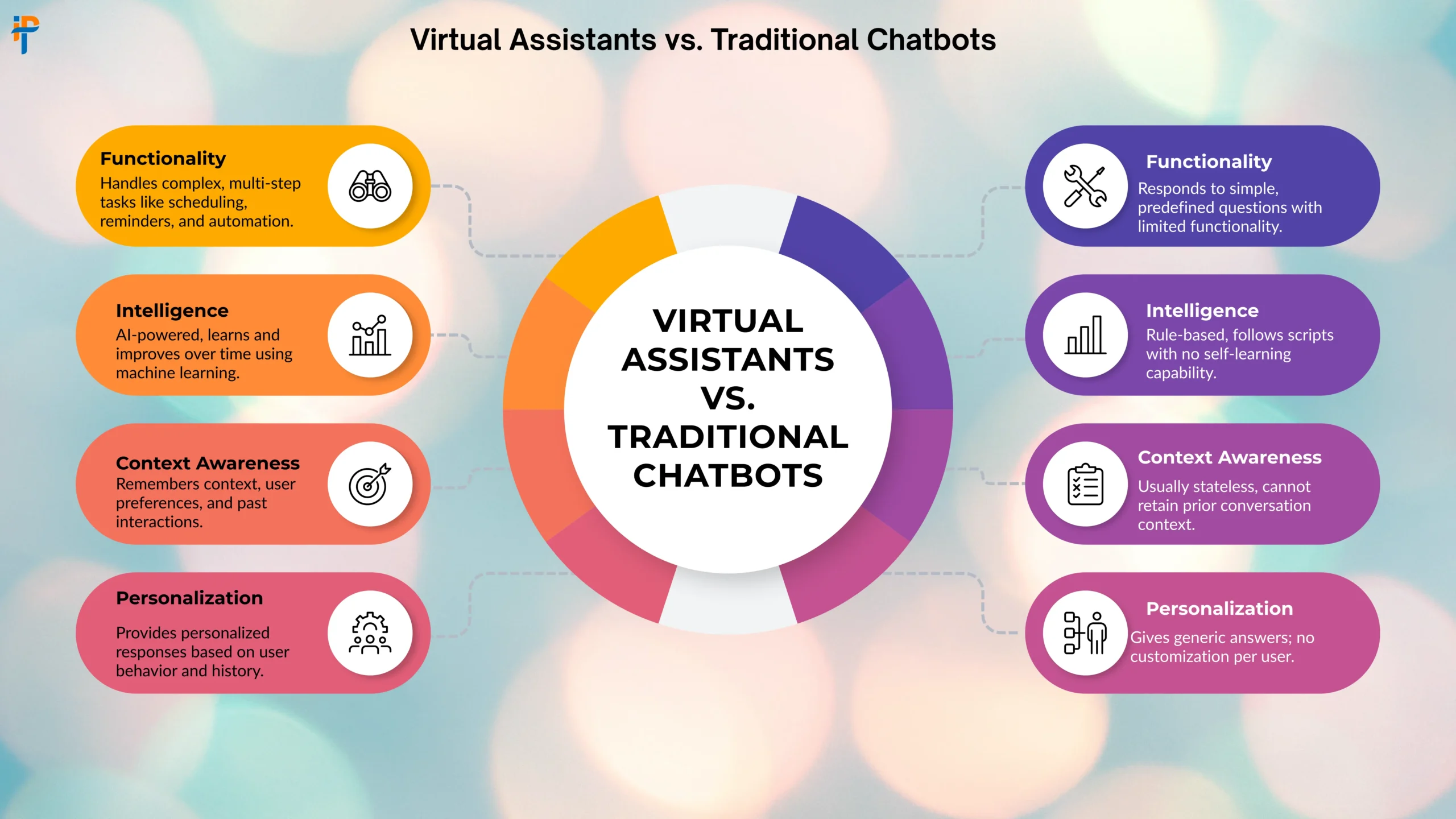

While the terms are often used interchangeably, there’s a crucial distinction worth noting. Traditional chatbots typically follow pre-programmed decision trees—if a customer says X, respond with Y. Virtual assistants, on the other hand, leverage AI to understand intent, context, and nuance.

According to industry research on conversational AI, virtual assistants can handle up to 80% of routine customer inquiries without human intervention, while maintaining satisfaction scores comparable to human agents. This represents a massive leap forward from traditional chatbots, which often frustrate users with their inability to understand anything outside their narrow programming.

Key Differences in 2026 Technology

The technological leap we’ve witnessed includes several game-changing capabilities:

  • Contextual memory: Virtual assistants remember past conversations and user preferences across sessions, creating continuity that was impossible just a few years ago
  • Emotional intelligence: Advanced sentiment analysis allows them to detect frustration, excitement, or confusion and adjust their responses accordingly
  • Proactive engagement: Rather than waiting for questions, they anticipate needs based on user behavior patterns and browsing history
  • Multimodal interaction: They can process text, voice, images, and even video inputs simultaneously, providing flexibility in how customers choose to communicate

These advancements mean that interacting with an AI assistant in 2026 feels less like talking to a machine and more like having a conversation with a well-informed, attentive sales associate or support specialist.

The Current State of Conversions in SaaS and E-Commerce

Conversion Challenges Businesses Face Today

Let’s talk about the elephant in the room—conversion rates across both SaaS and e-commerce industries remain disappointingly low for most businesses. The average e-commerce conversion rate hovers around 2-3%, while SaaS free trial-to-paid conversions typically range between 2-5%. These numbers have remained stubbornly stagnant despite massive investments in website optimization, marketing, and user experience design.

But why? Customers today face analysis paralysis with too many options, have shorter attention spans, and expect instant gratification. When they hit a roadblock—whether it’s confusion about pricing, product features, or the checkout process—they simply bounce to a competitor. In fact, 53% of potential customers will abandon a purchase if they can’t find quick answers to their questions, and 67% of cart abandonment is directly related to unexpected costs or confusion during the checkout process.

Why Traditional Methods Are Falling Short

Traditional support methods like email tickets or even live chat with human agents can’t keep pace with modern customer expectations. Average email response times range from 12-24 hours—an eternity in digital time. Even live chat, when available, often involves wait times of several minutes, and human agents can only handle one or two conversations simultaneously.

The economics don’t work either. Hiring, training, and maintaining a customer service team capable of providing 24/7 coverage is prohibitively expensive for all but the largest enterprises. Average customer service costs per interaction with human agents range from $8-15, compared to $0.50-2.00 for AI-powered interactions. This cost differential becomes especially significant when you’re handling thousands or tens of thousands of customer interactions monthly.

This is where AI steps in to bridge the gap, offering instantaneous responses, unlimited scalability, and round-the-clock availability at a fraction of the cost.

Also read- Deadly Mobile App Development Mistakes Businesses Must Avoid in 2026

How AI Chatbots Drive SaaS Conversions

Personalized Onboarding Experiences

For SaaS companies, the onboarding phase is make-or-break. Research consistently shows that 86% of people are more likely to stay loyal to a business that invests in onboarding content that welcomes and educates them after purchase. However, creating personalized onboarding experiences for every user segment manually is resource-intensive and often inconsistent.

AI chatbots excel at creating personalized onboarding journeys by:

  • Asking qualifying questions to understand user goals and use cases
  • Providing customized tutorials based on industry, role, and specific objectives
  • Offering proactive tips exactly when users need them, based on their navigation patterns
  • Identifying and addressing confusion points in real-time before frustration leads to abandonment

Imagine a project management software where a new trial user logs in for the first time. Instead of being dropped into an empty dashboard with a generic “Get Started” tutorial, an AI assistant greets them by name, asks a few quick questions about their team size and primary goal, then walks them through setting up their first project with templates and examples relevant to their specific industry. This personalized approach can increase activation rates—the percentage of users who complete key setup actions—by 40-60%.

Real-Time Problem Resolution

Nothing kills SaaS conversions faster than a confused trial user who can’t figure out a feature. Traditional support options leave users stuck: they can search documentation (often poorly organized), submit a ticket (waiting hours or days for response), or try to figure it out themselves (frequently leading to abandonment).

AI chatbots provide instant answers to technical questions, guide users through complex processes step-by-step, and can even trigger screen-sharing sessions or video tutorials based on specific issues. They understand context—so if a user asks “How do I add team members?” the AI knows which account they’re in, what plan they’re on, and can provide exact steps with screenshots relevant to their specific situation.

Reducing Trial-to-Paid Conversion Friction

The critical moment when a trial user decides whether to pull out their credit card often comes down to answering a few lingering questions about pricing, features, or implementation. AI virtual assistants can identify these high-intent moments through behavioral signals—like repeatedly visiting the pricing page, comparing plan features, or hovering over the upgrade button—and proactively address concerns.

By intervening at exactly the right moment with relevant information or offering to connect users with a sales representative when purchase intent is high, AI assistants can increase trial-to-paid conversions by 20-35%. This represents millions in additional annual recurring revenue for growing SaaS companies.

Virtual Assistants Transforming E-Commerce Sales
Product Recommendations That Actually Work

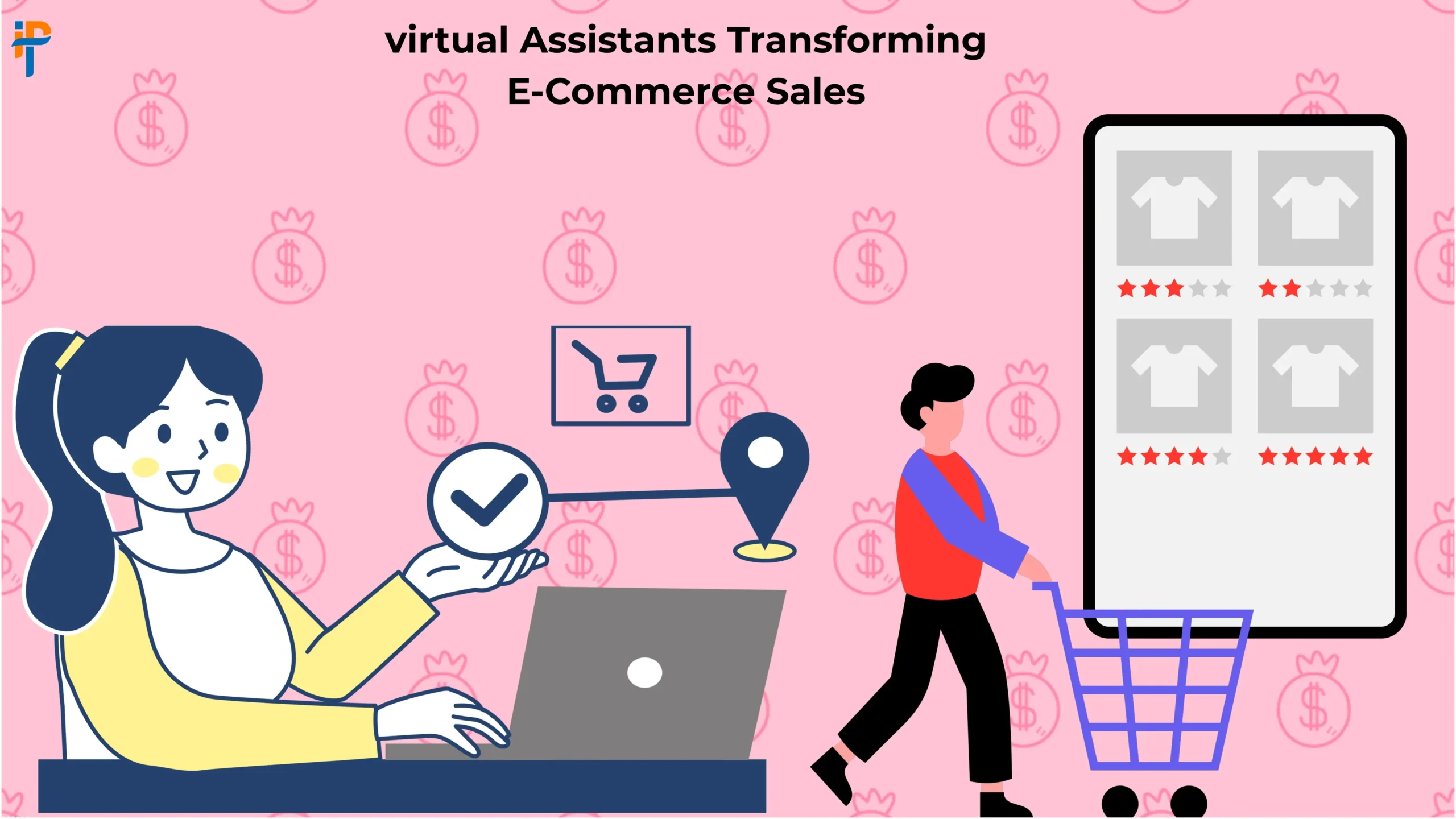
Gone are the days of generic “customers also bought” recommendations that feel random and irrelevant. AI virtual assistants in 2026 analyze browsing patterns, purchase history, demographic data, real-time conversation context, and even seasonal trends to suggest products with uncanny accuracy.

Imagine a customer browsing running shoes who mentions in the chat they’re training for their first marathon. An intelligent virtual assistant doesn’t just recommend shoes—it might suggest the right type for long-distance running, appropriate accessories like moisture-wicking socks or GPS watches, and even relevant nutritional products, creating a comprehensive solution that increases average order value by 30-45%.

The beauty of conversational recommendations is that they feel helpful rather than pushy. When an AI assistant asks clarifying questions—”What surface will you be running on mostly?” or “Do you prefer more cushioning or a minimalist feel?”—it demonstrates genuine interest in finding the right product, building trust that translates directly into higher conversion rates.

Cart Abandonment Recovery Strategies

Cart abandonment remains one of e-commerce’s biggest challenges, with an average rate of nearly 70% across all industries. Traditional recovery tactics—automated email sequences sent hours after abandonment—recover only a small fraction of potentially lost sales.

AI chatbots combat cart abandonment in real-time by:

  • Detecting abandonment signals (like moving the mouse toward the browser close button) and engaging customers before they leave
  • Addressing specific concerns through conversational inquiry: “I noticed you’re about to leave—is there something I can help you with?”
  • Offering personalized incentives when appropriate, such as free shipping or time-limited discounts
  • Simplifying the checkout process through guided assistance, like auto-filling forms or clarifying shipping options

One e-commerce retailer using AI-powered abandonment intervention reported recovering 23% of carts that would have otherwise been lost—translating to hundreds of thousands in additional monthly revenue.

Post-Purchase Engagement

The conversation doesn’t end at checkout, and this is where many e-commerce businesses miss opportunities. Smart virtual assistants continue engagement post-purchase by providing order updates, answering product questions, facilitating easy returns or exchanges, and suggesting complementary products based on what was purchased.

For instance, if a customer bought a camera, the AI assistant might follow up a few days later asking how they’re enjoying it and suggesting compatible lenses, memory cards, or carrying cases. This type of thoughtful, timely engagement increases customer lifetime value by 25-40% and dramatically improves retention rates.

Key Features of High-Converting AI Assistants in 2026

Natural Language Processing Advancements

The NLP capabilities available in 2026 are remarkably sophisticated compared to even what was possible in 2023-2024. Modern AI assistants understand:

  • Colloquialisms and slang: “That’s fire!” is correctly interpreted as enthusiasm rather than an emergency
  • Multiple languages with real-time translation: A Spanish-speaking customer can chat naturally while an English-speaking business owner sees translated conversations
  • Industry-specific jargon: Medical, legal, technical, and financial terminology is understood in proper context
  • Implicit intent: Understanding what customers mean, not just what they literally say—so “Is it any good?” after viewing a product is correctly interpreted as a request for reviews or quality information

This linguistic sophistication eliminates the frustration of previous generations of chatbots that couldn’t understand anything phrased outside their exact training parameters.

Predictive Analytics and Customer Intent Recognition

Perhaps the most powerful feature is predictive analytics. By analyzing micro-behaviors—how long someone hovers over a feature, what pages they revisit, their navigation patterns, scrolling behavior, and even typing speed—AI can predict customer intent with 75-85% accuracy and intervene at the perfect moment.

For example, if a user on a SaaS pricing page visits three times, compares enterprise vs. professional plans, and then navigates to the FAQ section, the AI recognizes high purchase intent with specific concerns about features or pricing. It can proactively pop up: “I noticed you’re comparing our Enterprise and Professional plans—would you like me to walk you through the key differences?” This timely intervention often provides the exact push needed to convert.

Omnichannel Integration Capabilities

Today’s customers start conversations on one channel and expect to continue them seamlessly on another. You might begin a conversation on a company’s website, then later pick it up via text message or within a mobile app, without having to re-explain your entire situation.

The best AI virtual assistants integrate across:

  • Website chat widgets
  • Social media platforms (Facebook Messenger, Instagram DMs, WhatsApp Business)
  • Email conversations
  • SMS/text messaging
  • Mobile app in-chat support
  • Voice assistants (Alexa, Google Assistant integration)

This omnichannel presence means customers can get help wherever they are, in whatever format is most convenient, dramatically reducing friction in the customer journey.

Also read- Step-by-Step Guide to Building a Successful Mobile App in 2026

Measurable Impact: Conversion Rate Statistics

Let’s talk numbers, because that’s what really matters, right? Here’s a comprehensive look at how AI chatbots and virtual assistants impact key conversion metrics based on industry data and real-world implementations:

Table 1: AI Chatbot Impact on SaaS Conversion Metrics

Metric Without AI Chatbots With AI Chatbots Improvement
Trial Sign-up Rate 3.2% 4.8% +50%
Trial-to-Paid Conversion 4.5% 6.3% +40%
Customer Onboarding Time 8.5 days 4.2 days -51%
Support Ticket Volume 100% (baseline) 35% -65%
Customer Satisfaction Score 7.2/10 8.6/10 +19%
Average Response Time 4.5 hours Instant -100%
User Activation Rate 42% 68% +62%

These metrics represent aggregated data from multiple SaaS companies across various industries and company sizes, showing consistent patterns of improvement.

Table 2: E-Commerce Conversion Improvements with Virtual Assistants

Metric Without Virtual Assistants With Virtual Assistants Improvement
Overall Conversion Rate 2.3% 3.8% +65%
Average Order Value $87 $114 +31%
Cart Abandonment Rate 69% 48% -30%
Customer Retention (90 days) 22% 34% +55%
Customer Service Costs $8.50/interaction $1.20/interaction -86%
Repeat Purchase Rate 18% 29% +61%
Customer Lifetime Value $285 $412 +45%

These aren’t just incremental improvements—we’re talking about transformation. A 65% increase in e-commerce conversion rates or a 40% boost in SaaS trial conversions can fundamentally change a business’s trajectory and profitability.

Consider what these numbers mean in practice: An e-commerce business doing $1 million annually in revenue with a 2.3% conversion rate could potentially reach $1.65 million with the same traffic simply by implementing effective AI virtual assistant technology. For a SaaS company with 1,000 monthly trial sign-ups, a 40% improvement in trial-to-paid conversion means an additional 16 paying customers monthly—potentially worth hundreds of thousands in annual recurring revenue.

Implementation Strategies for Maximum ROI

Choosing the Right AI Solution for Your Business

Not all AI chatbot solutions are created equal, and the wrong choice can lead to wasted investment and frustrated customers. When evaluating options, consider these factors carefully:

For SaaS Companies:

  • Integration capabilities: Does it connect seamlessly with your product’s API, allowing the AI to actually perform actions on behalf of users?
  • Product knowledge training: Can it be trained on your specific feature set, use cases, and technical documentation?
  • Analytics depth: Does it provide insights on user friction points, common questions, and conversion bottlenecks?
  • CRM synchronization: Can it sync with your Salesforce, HubSpot, or other CRM to provide sales teams with valuable context?

For E-Commerce Businesses:

  • Product catalog integration: Can it access your inventory in real-time to provide accurate product information and availability?
  • Payment gateway compatibility: Does it work with your existing checkout and payment systems?
  • Inventory awareness: Can it intelligently recommend based on stock levels and avoid suggesting out-of-stock items?
  • Multi-language support: If you serve global markets, can it communicate effectively in your customers’ native languages?

Universal Considerations:

  • Scalability: Will it handle growth from hundreds to thousands or tens of thousands of daily conversations?
  • Customization flexibility: Can you tailor the personality, tone, and brand voice to match your company?
  • Analytics and reporting: What insights does it provide to help you continuously improve?
  • Pricing model: Is it cost-effective for your volume and budget?

Integration Best Practices

Successful implementation isn’t just about deploying technology—it’s about strategy, change management, and continuous optimization. Here’s what works based on hundreds of successful implementations:

  1. Start with high-impact touchpoints: Don’t try to automate everything at once. Focus on conversion-critical moments like checkout pages, pricing pages, or onboarding flows where assistance has the highest potential impact. Prove value in one area before expanding.
  2. Maintain the human touch: Use AI for efficiency but ensure smooth handoffs to human agents for complex issues, high-value sales opportunities, or emotionally charged situations. The best systems blend AI and human support seamlessly, with the AI handling 70-80% of routine interactions and escalating appropriately.
  3. Design conversational flows carefully: Work with copywriters and UX designers, not just developers. The way your AI communicates is as important as what it knows. Conversational design that feels natural, uses your brand voice, and asks questions in a logical flow dramatically impacts conversion effectiveness.
  4. Implement progressive disclosure: Don’t overwhelm users with information. AI assistants should provide concise answers with options to dive deeper if desired, mimicking how good salespeople communicate.
  5. Continuous training and optimization: AI chatbots learn and improve over time, but only if you invest in their education. Regularly review conversation logs, identify common failures or confusion points, and refine responses. Plan for monthly optimization sessions as part of your workflow.
  6. Transparent communication: Let customers know they’re interacting with AI while emphasizing the benefits—instant response, 24/7 availability. Transparency builds trust and sets appropriate expectations. Most customers prefer helpful AI over waiting for human assistance.
  7. Measure relentlessly: Define success metrics upfront and track them religiously. Monitor not just conversation volume but quality metrics like resolution rate, customer satisfaction scores, conversion impact, and cost savings.

At IPH Technologies, we’ve implemented AI chatbot solutions for over 430+ satisfied clients, and we’ve found that the most successful deployments follow a phased approach—starting with a focused use case, measuring results rigorously, and expanding systematically based on data-driven insights rather than assumptions.

Also read- Machine Learning Mobile Apps: Boost User Experience 2026

Common Pitfalls to Avoid

Even with the best technology, implementation can go wrong. Watch out for these common mistakes that can undermine your AI assistant’s effectiveness:

  • Over-automation: Trying to automate complex, emotional, or high-stakes conversations can backfire spectacularly. If a customer is angry about a defective product or a failed transaction, they need empathy and flexibility that AI can’t yet provide. Know when to bring in human agents—typically for complaints, complex technical issues, high-value B2B sales, and sensitive account matters.
  • Poor handoff experiences: Nothing frustrates customers more than repeating information when transferred from bot to human. Your AI system must pass complete context—conversation history, customer information, issues discussed, and solutions attempted—to human agents seamlessly. The customer should never know a handoff occurred from a user experience perspective.
  • Neglecting mobile optimization: With over 60% of e-commerce traffic coming from mobile devices, your AI assistant must work flawlessly on smartphones. This means readable chat interfaces, mobile-friendly input methods, and quick load times. An AI assistant that’s great on desktop but clunky on mobile will hurt more than help.
  • Ignoring data privacy: With increasing privacy regulations like GDPR in Europe, CCPA in California, and similar laws worldwide, ensure your AI chatbot complies with all relevant regulations. Be transparent about data collection and usage, obtain proper consent, implement strong security measures, and provide easy opt-out options. Privacy violations can result in massive fines and destroyed brand trust.
  • Generic responses: AI chatbots that feel robotic or give obviously templated responses undermine trust and effectiveness. Invest in natural, conversational design that mirrors your brand voice. The AI should sound like a helpful team member, not a corporate robot reading from a script.
  • Insufficient training data: Deploying an AI assistant without adequate training on your specific products, common customer questions, and industry context is like hiring a salesperson who knows nothing about what you sell. Plan for substantial initial training and ongoing refinement.
  • No clear escalation path: Customers need an obvious, easy way to reach a human when needed. Burying the “speak to a human” option or making customers jump through hoops creates frustration that damages brand perception.
  • Set-and-forget mentality: AI chatbots require ongoing optimization. Customer needs evolve, new products launch, common questions change. Plan for regular maintenance and improvement as part of your operational workflow, not as an afterthought.

The Future: What’s Next for AI-Driven Conversions

Looking ahead, the evolution of AI chatbots and virtual assistants shows no signs of slowing. Here’s what’s on the horizon based on current technological developments:

  • Hyper-personalization through advanced AI: Future virtual assistants will leverage even more sophisticated AI models that can predict customer needs with near-perfect accuracy by analyzing hundreds of behavioral signals simultaneously. They’ll understand not just what you’re shopping for, but why—anticipating needs before you even articulate them.
  • Voice-first interactions: As voice recognition technology continues improving, expect more seamless voice-based shopping and support experiences, particularly in mobile contexts. Imagine speaking to your phone: “I need a birthday gift for my tech-savvy nephew who’s 14,” and having an AI assistant immediately curate appropriate options with explanations.
  • Augmented reality integration: Virtual assistants will soon combine conversational AI with AR visualization. Imagine chatting with an AI about furniture, and it doesn’t just recommend a sofa—it shows you how it would look in your living room through your phone’s camera, all within the chat interface. This fusion of technologies will dramatically reduce purchase hesitation for products where visualization matters.
  • Emotional AI maturity: The next generation will read facial expressions through device cameras (with permission) and modulate responses based on emotional states, creating truly empathetic digital interactions. If you look frustrated, the AI might adjust its approach or proactively offer human assistance.
  • Predictive commerce: AI assistants will evolve from reactive to proactive, reaching out to customers before they even start shopping. Based on purchase patterns, seasonal needs, and predictive analytics, they’ll suggest products at exactly the right time—like reminding you to reorder your favorite skincare product before you run out or suggesting weather-appropriate clothing as seasons change.
  • Blockchain-verified authenticity: As deepfakes and AI impersonation become more sophisticated, blockchain-verified AI assistants will provide customers with confidence they’re interacting with legitimate business representatives, not scammers using AI to impersonate brands.

For companies like IPH Technologies, staying ahead of these trends means continuously innovating our development approaches. With over 500 successful projects under our belt, we’ve learned that the key to leveraging AI for conversions isn’t just implementing the latest technology—it’s understanding how to align that technology with genuine customer needs and business objectives.

Our expertise spans mobile app development, web applications, and custom software solutions, but the unifying thread is our commitment to using technology to solve real business problems, not just following trends. As AI continues evolving, we’re here to help businesses navigate these changes strategically and implement solutions that deliver measurable results.

Also read- Low-Code No-Code Automation Transform Business Processes in 2026

Conclusion

AI chatbots and virtual assistants have evolved from experimental novelties to essential conversion tools in 2026. For both SaaS and e-commerce businesses, they represent a powerful opportunity to engage customers more effectively, resolve issues instantly, personalize experiences at scale, and ultimately convert more visitors into paying customers.

The data doesn’t lie—businesses implementing AI-driven customer engagement are seeing conversion improvements ranging from 30% to 65% across various metrics, with additional benefits in customer satisfaction, support cost reduction, and lifetime value increases. These improvements aren’t marginal tweaks—they’re business-transforming changes that can mean the difference between struggling and thriving in competitive markets.

But technology alone isn’t the answer. Success requires thoughtful implementation focused on genuine customer needs, continuous optimization based on real data, and the wisdom to know when human touch is essential. The goal isn’t to replace human connection—it’s to augment it, freeing your human team to focus on complex, high-value interactions where empathy, creativity, and relationship-building truly matter.

Whether you’re just starting to explore AI chatbots or looking to enhance your existing implementation, remember these key principles:

  • Start with clear objectives and focus on high-impact use cases
  • Invest in conversational design, not just technical implementation
  • Maintain the human element with smooth escalation paths
  • Measure relentlessly and optimize continuously
  • Prioritize customer experience over automation for its own sake

As we continue advancing into this AI-powered future, one thing remains constant: businesses that prioritize customer experience and leverage technology strategically will thrive. The question isn’t whether AI chatbots will increase your conversions—it’s how quickly you can implement them effectively to stay competitive in an increasingly digital marketplace.

At IPH Technologies, we specialize in turning visionary ideas like AI-powered customer engagement into impactful solutions. As a leading app development company, we offer comprehensive services from innovative mobile apps and web applications to custom software solutions. Our team leverages the latest technology and agile methodologies to deliver exceptional results.

Our expertise in custom software development, cutting-edge technology integration, and deep understanding of both SaaS and e-commerce business models means we can help you navigate this AI transformation with confidence. We don’t just follow trends—we help you set them, creating AI solutions tailored to your specific business challenges and opportunities.

With over 430+ satisfied clients and 500+ successful projects, we’ve proven our ability to exceed expectations and deliver solutions that drive real business outcomes. Let’s work together to harness the power of AI chatbots and virtual assistants to transform your conversion rates and accelerate your growth in 2026 and beyond.

Frequently Asked Questions (FAQs)

How much does it cost to implement an AI chatbot for my SaaS or e-commerce business?
Implementation costs vary significantly based on complexity, features, and customization needs. Basic chatbot solutions using existing platforms can start around $50-200 per month for small businesses with pre-built integrations and templates. Mid-tier custom solutions typically range from $500-2,000 monthly plus setup fees of $2,000-10,000. Enterprise-grade custom solutions with advanced AI, deep integrations, and extensive training can cost $10,000-100,000+ for development plus ongoing maintenance fees. However, most businesses see positive ROI within 3-6 months through increased conversions, reduced support costs, and improved customer lifetime value. The key is matching your investment to your traffic volume and revenue potential—a business with 100,000 monthly visitors can justify much larger investment than one with 5,000 visitors.
Will AI chatbots completely replace my customer service team?
No, and they shouldn’t. The most effective approach combines AI efficiency with human expertise in what’s often called a “hybrid model.” AI chatbots handle routine inquiries, qualification, FAQ responses, and simple problem-solving—typically 60-80% of total interactions. Meanwhile, complex issues, emotional situations, high-value B2B sales, technical troubleshooting, and escalated complaints are seamlessly transferred to human agents who have more context thanks to the AI’s initial interaction. This hybrid model reduces overall support costs by 40-60% while actually improving customer satisfaction because humans can focus on situations where empathy, creativity, and complex reasoning truly matter. Think of AI as handling the repetitive work that burns out your support team, freeing them to excel at what humans do best.
How long does it take to see conversion improvements after implementing a virtual assistant?
Most businesses begin seeing measurable improvements within 30-60 days of implementation, though results depend on several factors including implementation quality, traffic volume, and optimization efforts. Initial gains often come from low-hanging fruit like reduced cart abandonment and improved FAQ resolution, with these improvements visible within the first month. More significant improvements in trial conversions, average order value, and customer lifetime value typically emerge over 3-6 months as the AI learns from interactions, you optimize based on data, and you expand to additional use cases. The learning curve means performance improves over time—month six is typically significantly better than month one. Companies that invest in ongoing optimization see continued improvements even 12-18 months after initial deployment.
Can AI chatbots work effectively for niche or highly technical products?
Absolutely! Modern AI chatbots can be trained on specialized knowledge bases, technical documentation, product specifications, and industry-specific terminology, making them exceptionally effective for niche and technical products. In fact, they often excel in technical domains because they can instantly access vast amounts of product information, compare specifications across multiple items, and provide consistent, accurate answers without the knowledge gaps that sometimes plague human agents. The key is investing in proper training—feeding the AI your technical documentation, common customer questions, product catalogs, and industry context. Many B2B companies selling complex industrial equipment, specialized software, or technical services have found AI chatbots particularly valuable because they can handle the 70% of questions that are straightforward (specifications, compatibility, pricing) while escalating the truly complex 30% to technical experts.
What metrics should I track to measure AI chatbot success?
Focus on both engagement metrics and business outcome metrics. Engagement metrics include: conversation completion rate (percentage of conversations that reach resolution), average handling time, messages per conversation, and escalation rate to human agents. Customer satisfaction metrics include: CSAT scores (customer satisfaction ratings), NPS (Net Promoter Score) changes, and qualitative feedback analysis. Business outcome metrics include: conversion rate improvements (the ultimate measure), revenue influenced by chatbot interactions, support ticket deflection rate (how many support requests the chatbot handles vs. those escalated), cost per interaction vs. human-only support, and ROI calculation. For SaaS specifically, track trial activation rates, feature adoption rates, and trial-to-paid conversions. For e-commerce, monitor cart abandonment recovery rate, average order value, repeat purchase rates, and customer lifetime value. The most sophisticated implementations use attribution modeling to track the customer journey and understand how chatbot interactions influence conversions even when they’re not the final touchpoint.
How do I ensure my AI chatbot doesn't frustrate customers with unhelpful responses?
Preventing frustration requires a multi-faceted approach. Start by thoroughly training your AI on common customer queries using real conversation data if available. Use natural conversation design principles—avoid robotic language, use your brand voice, and structure conversations logically. Implement clear escalation paths so customers can easily reach humans when needed—never trap people in automated loops. Regularly review conversation logs (weekly initially, then monthly) to identify failure points where the AI misunderstands or provides unhelpful responses, then refine training. Include confidence scoring so the AI knows when it’s uncertain and can say “Let me connect you with someone who can better help with that” rather than giving potentially wrong answers. Set appropriate expectations by being transparent that customers are interacting with AI while emphasizing benefits like instant response. Always provide an easy “speak to a human” option that’s visible and accessible. Finally, start with a limited scope—handle common, straightforward questions well before expanding to more complex scenarios.
Are there privacy concerns I should consider when implementing AI chatbots?
Yes, privacy is crucial and increasingly regulated. Ensure your AI solution complies with relevant regulations including GDPR (European customers), CCPA (California customers), and other regional privacy laws. Key requirements include: clearly communicating your data collection and usage policies in accessible language, obtaining necessary consent before collecting personal information, implementing strong data security measures including encryption, providing customers easy ways to access, correct, or delete their data, being transparent about how AI systems use customer information, and considering data residency requirements if operating internationally (some countries require customer data to be stored within their borders). Choose reputable AI vendors with strong security track records, documented compliance certifications, and clear data processing agreements. Implement data minimization principles—only collect information actually needed for the chatbot’s function. Consider offering anonymized interactions for customers who prefer not to share personal data. Privacy violations can result in massive fines (up to 4% of global revenue under GDPR) and destroyed customer trust, so this isn’t an area to cut corners.
Can small businesses with limited budgets benefit from AI chatbots, or are they only for large enterprises?
Small businesses can absolutely benefit, and in many ways have advantages—they can move quickly, implement focused solutions, and iterate based on direct customer feedback without navigating complex approval processes. Many affordable SaaS chatbot platforms offer powerful features without requiring significant upfront investment, with pricing starting around $50-200 monthly. The key is choosing the right solution for your scale and focusing on high-impact applications rather than trying to automate everything. Start with a specific use case that has clear ROI potential—like cart abandonment recovery for e-commerce (which can pay for itself with just a few recovered sales monthly) or FAQ handling for SaaS (reducing support burden). Prove ROI with that focused use case, then expand incrementally. Small businesses also benefit because customers often have more patience with smaller brands learning and improving their AI implementation. Many platforms offer free trials—test thoroughly before committing. Consider that even modest conversion improvements have significant impact: if you’re doing $500,000 annually in e-commerce revenue, a 1% conversion improvement might add $50,000 annually, easily justifying $2,400 in yearly chatbot costs.
Avatar
Shashi Mishra

Verified CTO

About the Author

I’m Shashi Mishra, CTO at IPH Technologies. I build secure, reliable, future-ready digital products that solve real problems without unnecessary complexity. My work focuses on AI-driven development, cloud-native architecture, and a strict compliance-first approach, ensuring every product meets global security, performance, and regulatory standards. I’ve helped companies modernize systems, integrate AI, and scale platforms with clean engineering and strong user experience. I enjoy working with teams and founders who want to innovate fast while maintaining quality and trust.


WhatsApp
Call us
Get a Call Back