




















































































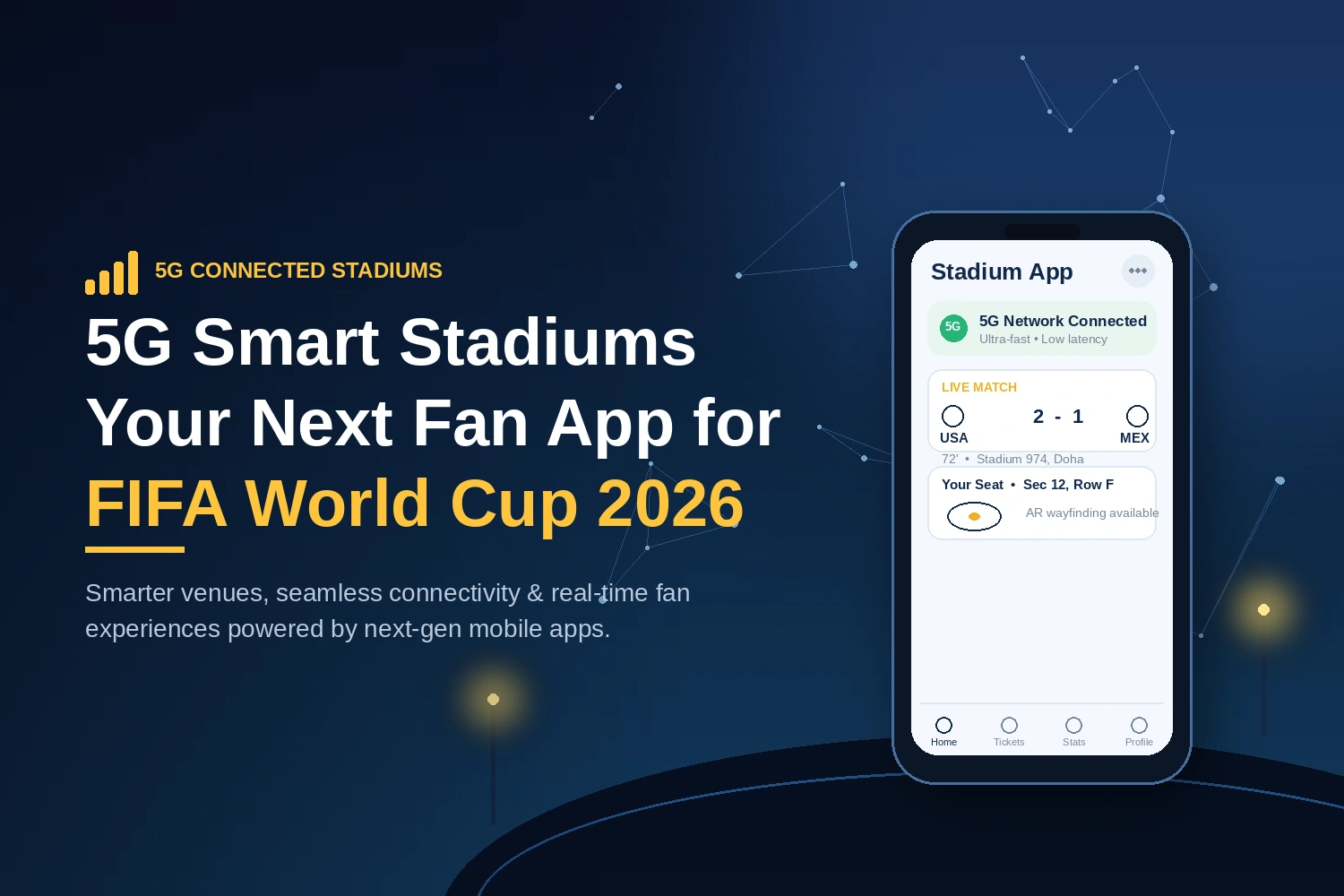
5G, Smart Stadiums & Your Next App: The Technology Blueprint Behind FIFA World Cup 2026
The FIFA World Cup is a four-year event that pushes boundaries in sports, entertainment and global connectivity. The FIFA World Cup in 2026 will be more than just another tournament.
It is the largest sporting event in history. With three countries, sixteen host cities, 48 teams, 104 matches and six billion estimated viewers around the world, it’s the most ambitious technological event to date.
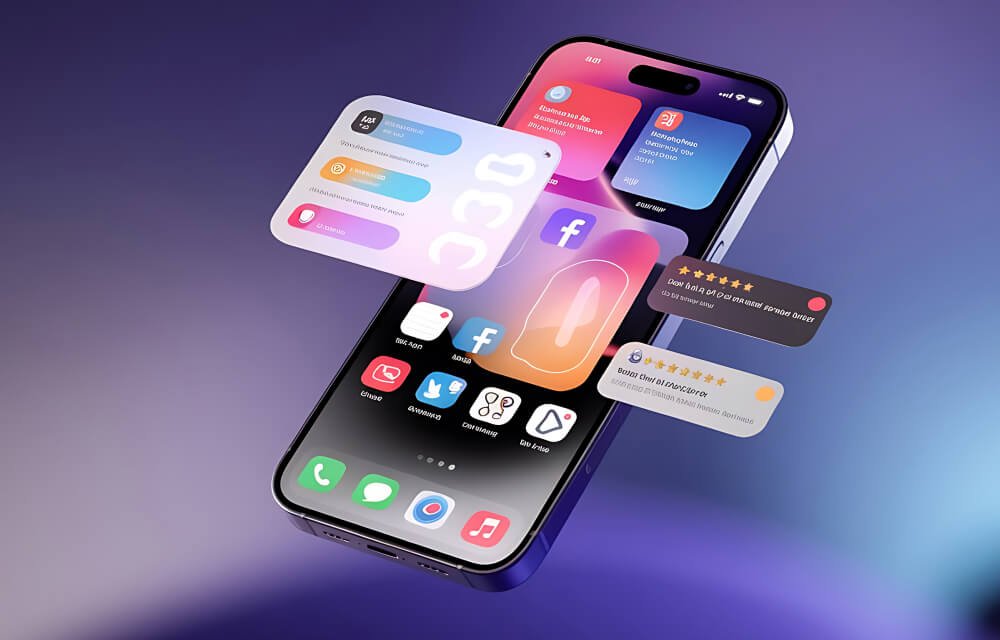
Behind every livestream, mobile payments, and augmented-reality experience, there is a massive infrastructure project for 5G that gives a glimpse of the future app development.
App developers, product managers, and companies planning their next-generation digital products can learn a lot from the FIFA World Cup 2026. It’s not just a sporting event, but a demonstration of what applications are capable of when connectivity restrictions are removed.
Why FIFA World Cup 2020 Matters to App developers
The tournament of football is a memory that most people have.
It is important that technology leaders remember this when it comes to infrastructure.
Stadiums have been a difficult environment for mobile connectivity for decades. When tens of thousands people are simultaneously streaming videos, accessing apps, making payments and uploading content, the network is often congested and users experience a poor user experience.
The World Cup in 2026 will change that equation.
The infrastructure installed across the host venues shows what is possible when applications are built for ultra-fast networks with low latency from day one.
Lessons from sports can be applied to many other areas.
In the near future, the same technologies that power today’s fan experiences will power healthcare systems and retail experiences, as well as smart campuses, logistics networks and enterprise applications around the world.
Massive Infrastructure Behind the Tournament
Even the numbers are shocking.
In just a few minutes of play, a single World Cup game is expected to generate over 50 terabytes in mobile data traffic.
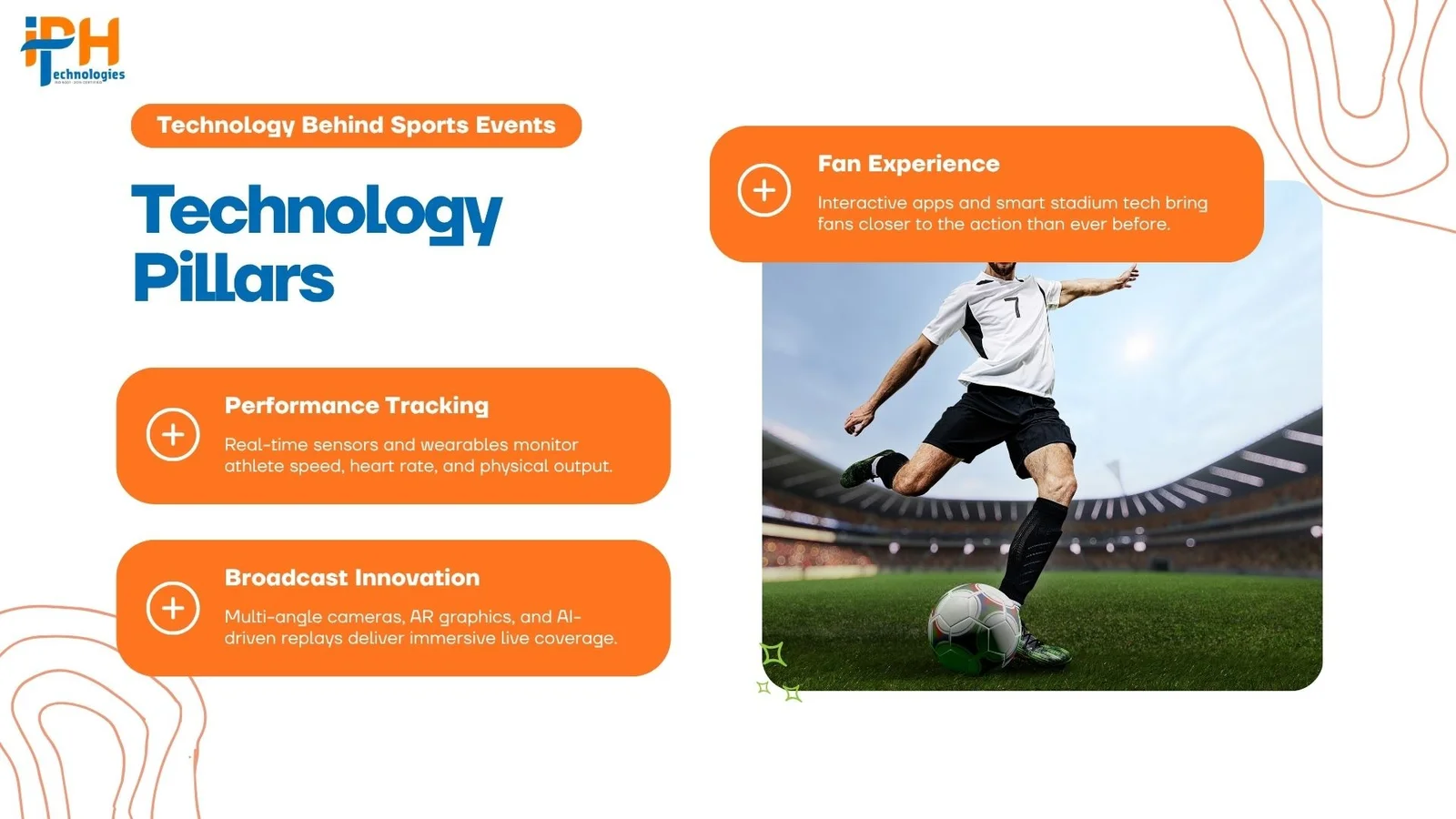
- All 16 stadiums will have expanded 5G coverage.
- Thousands of antennas are installed beneath the stadium seats.
- High-capacity MatSing antennas provide enhanced coverage for upper seating areas.
- Millions of feet of fiber infrastructure power the network.
- Hundreds of small cells support transportation corridors and fan zones.
Temporary Wireless Deployments Serving Surrounding Communities
The network at MetLife Stadium, New Jersey, which hosted the World Cup Final includes around 2,400 antennae connected by six million feet fiber.
This is not just a network of stadiums.
It’s a temporary smart-city built to function at a global scale.
Also Read – What Is Multimodal AI? Business Leader’s Guide & Use Cases 2026
Understanding the difference between Public 5G and Private 5G
The World Cup taught us that the World Cup was not powered by a single network.
Two are possible.
Public 5G for fans
The public network handle:
- Uploads to social media
- Video streaming
- Mobile payments
- Real-time statistics
- Digital ticketing
- Fan engagement applications
Its goal is to support tens or thousands of users simultaneously without interruption.
Private 5G for Operation
Private networks serve a completely different purpose.
The power of:
- Referee cameras
- Broadcasting operations
- Security coordination
- Event logistics
- Staff communications
- Temporary operational facilities
Public networks are unable to provide the performance guarantees and ultra-low latencies that these applications demand.
Businesses are increasingly facing this distinction.
Often, consumers are tolerant of occasional delays in their applications.
Applications that are mission-critical to enterprise cannot be.
Developers must start designing products around the new networking realities as private 5G adoption expands to hospitals, manufacturing, logistics hubs and retail campuses.
Applications that define the future
The applications that run on top of 5G will reveal the next step in digital experiences.
FIFA+ Augmented reality Experiences
Fans can instantly see the game by pointing their smartphones at the field.
- Names of players
- Tracking your movement
- Speed metrics
- Performance statistics
- Match insights
These experiences combine advanced sensors, low-latency connectivity, and computer vision with live data streams.
This is a great example of how AR has evolved from an experimental technology into a production-ready infrastructure.
Digital Twin Navigation
Fans can use interactive venue maps to find out more about the venues.
- Find seats
- Find discounts
- Transport routes
- Real-time access to venue services
These digital twins are constantly updated based on the live conditions of the venue.
The same principle applies to:
- Hospitals
- Airports
- Warehouses
- Retail stores
- Corporate campuses
AI-Powered Operations Centers
World Cup venues use intelligent monitoring platforms to analyze:
- Crowd density
- Security conditions
- Traffic flow
- Operational performance
These systems use computer vision, sensor data and AI-driven analysis to detect issues before they turn into problems.
Smart buildings, healthcare facilities and industrial operations are increasingly powered by the same architecture.
Seamless Mobile Commerce
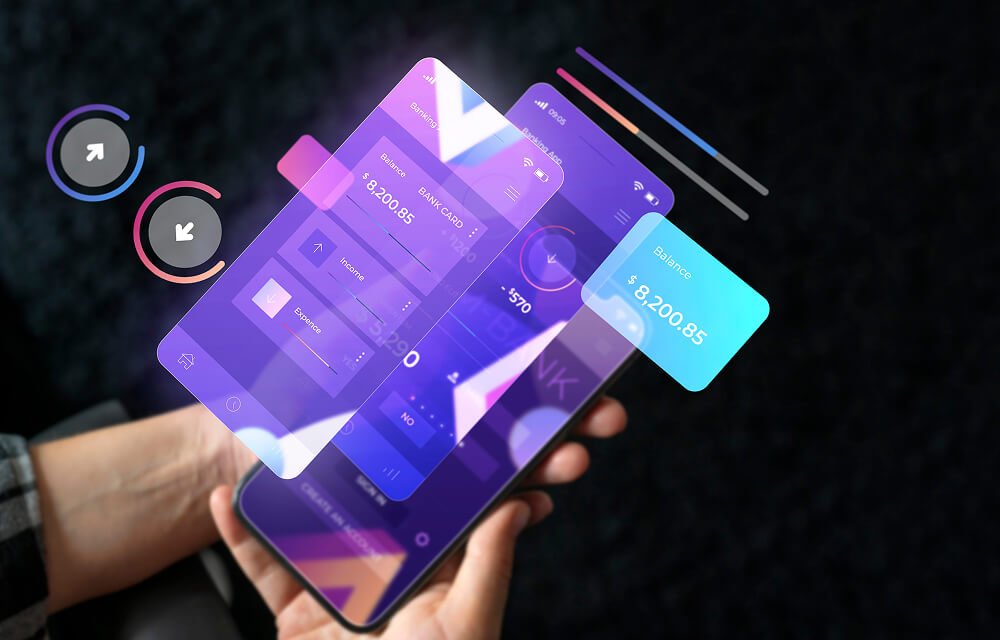
Reliable high-capacity connectivity is essential for seamless payment and in-seat ordering.
Mobile commerce is a powerful tool that can be used almost anywhere.
This is a clear indication to retailers that real-time and mobile engagement will be the future.
Also Read – AI Agent Mobile App Development: Features, Benefits & Business Use Cases in 2026
Five Lessons Every App Development Team Should Take Away
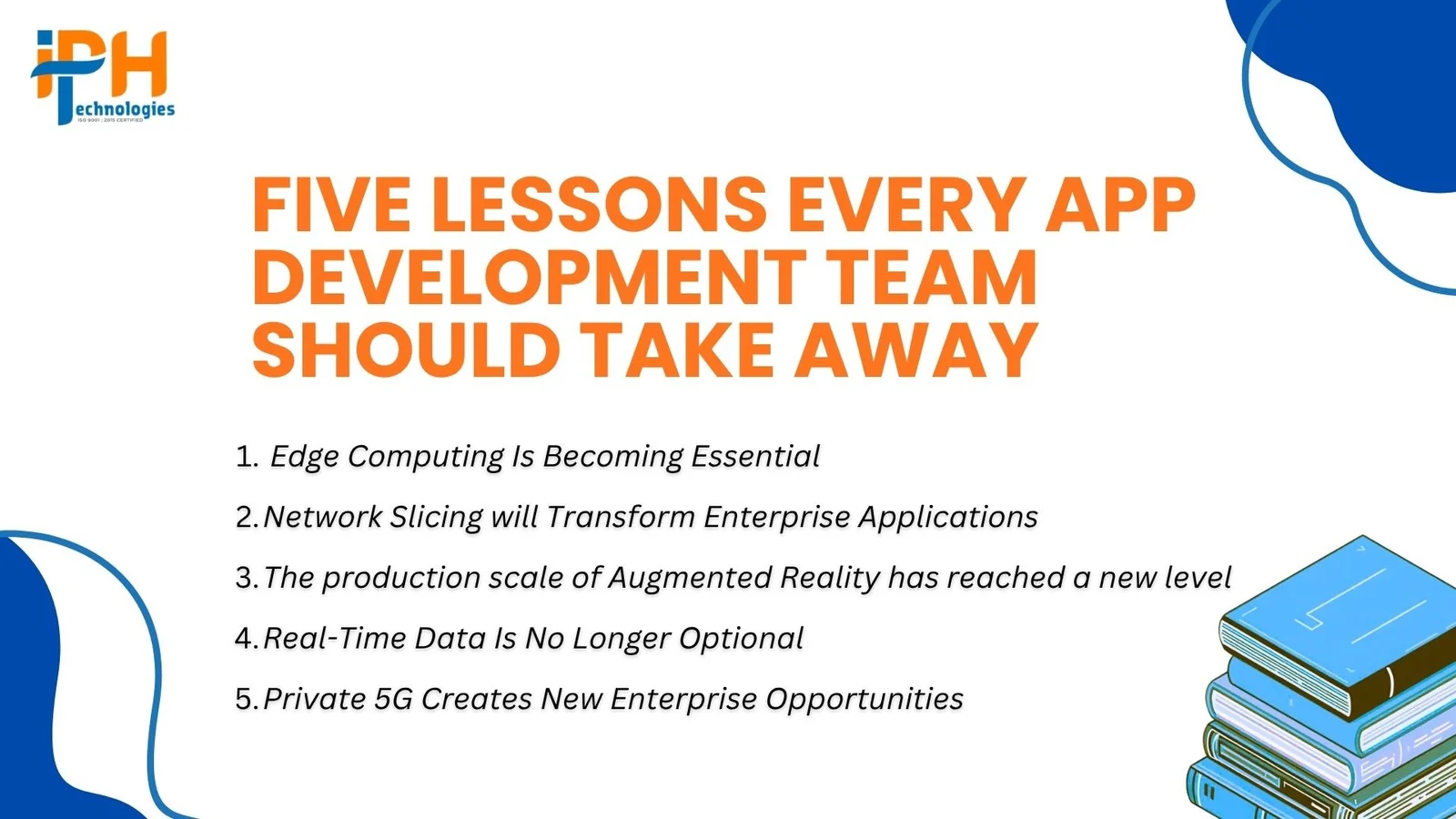
1. Edge Computing Is Becoming Essential
Users are increasingly noticing the latency of traditional cloud architectures.
Mobile Edge Computing (MEC) is a new technology that allows modern applications to process data close to the users.
Edge infrastructure is becoming an essential competitive requirement, whether it’s for healthcare monitoring, retail customization, or industrial automation.
2. Network Slicing will Transform Enterprise Applications
The 5G network slice allows critical applications to receive dedicated performance guarantees.
There are new opportunities available for:
- Healthcare systems
- Financial platforms
- Emergency response applications
- Industrial monitoring tools
The future enterprise SLAs of enterprises will depend increasingly on the network-aware design of applications.
3. The production scale of Augmented Reality has reached a new level
AR was largely an experimental technology for many years.
The World Cup in 2026 will prove otherwise.
A combination of 5G technology, edge computing and mature AR frameworks allows for real-world deployments.
Industries that are likely to benefit include
- Buy it now
- Healthcare
- Manufacturers
- Education
4. Real-Time Data Is No Longer Optional
Live data streams are essential for the most effective World Cup applications.
Users expect instantaneous updates to information.
Applications that rely on batch or delayed processing will have a hard time competing with real-time products.
5. Private 5G Creates New Enterprise Opportunities
Private 5G networks expand beyond sports venues
Organisations are using them in:
- Hospitals
- Factories
- Warehouses
The following are some of the Universities that you can contact
- Corporate campuses
The developers who are able to create for these environments have an advantage over those teams that only focus on the traditional mobile architectures.
Legacy Beyond the Tournament
The biggest story in FIFA World Cup 2026 technology isn’t the event itself.
What remains is what you leave behind.
Fiber infrastructure, spectrum upgrades and small cell deployments, as well as advanced networking, will continue to serve host communities after the match is over.
Mobile applications follow the same pattern.
As network environments become more standard, the products that were built today for future networks will be category leaders.
The World Cup is a snapshot of the future direction of the technology ecosystem.
What this means for your business
The World Cup technology stack is a roadmap for any organization that develops mobile apps, enterprise software, health platforms, retail solutions or healthcare platforms.
Applications that are:
- Built for 5G connectivity
- Optimized for edge computing
- Real-time data forms the foundation for next-generation analytics
- Enhanced AI capabilities
- Designed for AR experiences
- Ready for private networks
Infrastructure is coming faster than most businesses think.
Your applications must be ready for this.
We help businesses create mobile and enterprise apps that are designed for the 5G future. We help companies transform emerging technologies, from AI-powered platforms to enterprise mobility solutions and healthcare and retail innovations.
The destination is the same.
The FIFA World Cup in 2026 shows us how close we are.









.png)