





























































































Apple WWDC 2026: Everything Announced — Explained
Every year, Apple holds its Worldwide Developers Conference — better known as WWDC — and every year, the internet explodes with jargon-heavy headlines that leave most people more confused than informed.
So here is the plain-English version.
No jargon. No fluff. Just everything Apple announced at WWDC 2026 and what it actually means for you — whether you own an iPhone, run a business, or both.
First, a Moment Worth Noting
This was Tim Cook’s final WWDC as Apple’s CEO.
After 15 years leading the company, Cook wrapped up the keynote with a line that stuck: “I truly believe the best is still ahead.” On September 1, hardware chief John Ternus takes over. A new chapter begins.
With that, here is every major announcement from the event.
1. Siri AI — The Biggest Upgrade Siri Has Ever Seen
This was the headline of the entire event. Apple completely rebuilt Siri from scratch.
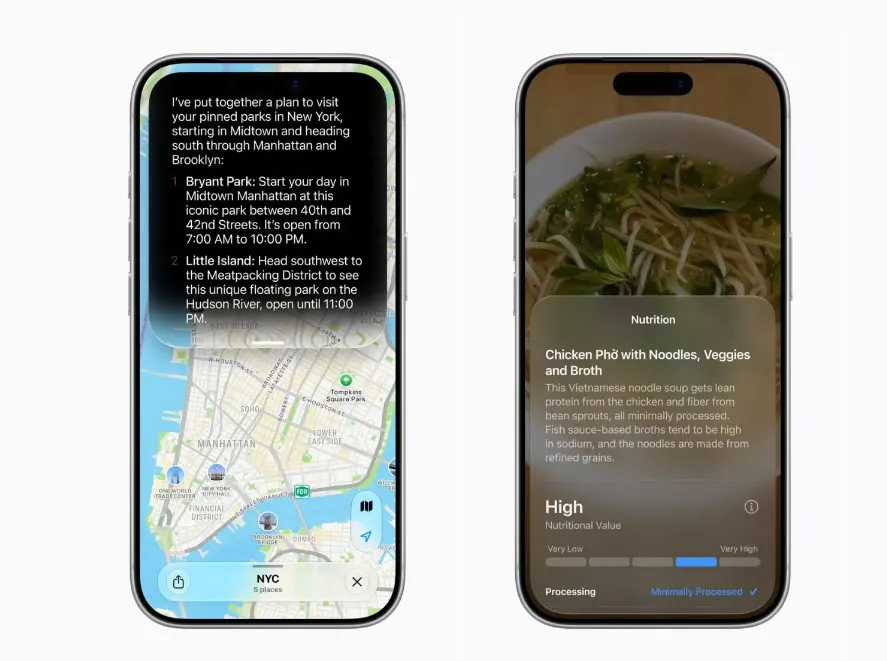
Here is what the new Siri can actually do:
- Understand your screen in real time — Siri can recognize what you’re viewing and take action without requiring you to explain the context manually.
- Work across multiple apps seamlessly — Ask Siri to plan dinner around an event mentioned in a message, and it can check schedules, find restaurants, and create reminders in a single workflow.
- Have natural, ongoing conversations — Interact with Siri through back-and-forth dialogue instead of relying on one-time voice commands.
- Personalize voice and speaking style — Customize how Siri sounds and adjust its speaking pace to match your preferences.
One catch: Siri AI will not be available in the EU at launch, due to ongoing regulatory issues under Europe’s Digital Markets Act.
2. iOS 27 — Faster, Smarter, and More Personal
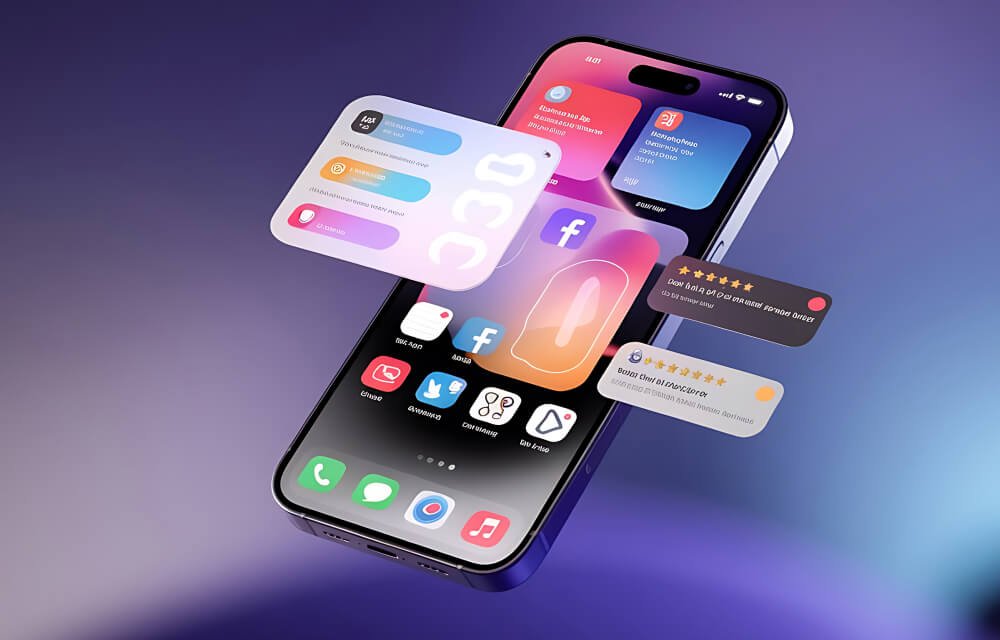
iOS 27 is coming to iPhones running iOS 11 or later this September.
The two things most people will notice immediately are speed and polish. Apple says photos load significantly faster, and everyday interactions just feel snappier.
The other big change is a Liquid Glass opacity slider. Apple introduced the Liquid Glass design language last year — that translucent, glassy look across menus and controls. A lot of people found it too reflective and hard to read. iOS 27 finally lets you dial it back to your preference.
Apple Intelligence features are also deeper in iOS 27, including smarter writing tools, more capable photo editing, and improved notifications in the Home app.
3. macOS Golden Gate — The End of Intel Macs
Apple officially named its next Mac operating system macOS Golden Gate — continuing the California landmark naming tradition.
The big news here is compatibility: macOS Golden Gate no longer supports Intel-based Macs. If your Mac runs on Apple’s own silicon chips (M1, M2, M3, and later), you are good. If you are still on an older Intel machine, this update will not be available to you.
For those it does support, Golden Gate brings Siri AI into Spotlight, adds Visual Intelligence to the desktop, and makes the Mac significantly more capable as an AI-powered work machine.
4. iPadOS 27 — The iPad Gets Serious About AI
iPadOS 27 follows the same design refresh as iOS 27 and brings Siri AI and Visual Intelligence to the iPad for the first time.
For anyone who uses their iPad for work — writing, research, presentations — this is a meaningful step forward. Siri AI on the iPad means you can interact with your files, apps, and content in ways that were previously only possible with a keyboard and a lot of clicking around.
5. Apple Intelligence — More Features, More Apps
Apple Intelligence — Apple’s broader umbrella for AI features built into its devices — got a solid expansion at WWDC 2026.
Key additions include:
- Generative photo editing — Describe what you want changed in a photo, and Apple Intelligence handles the edit automatically.
- Smarter Home app — Security camera alerts are now summarised intelligently, giving you useful context instead of just a notification.
- Safari tab management — AI-powered organisation of open tabs based on what you are currently working on.
- One-tap password updates — When a website prompts a password change, Apple Intelligence can update it across your accounts automatically.
- Cross-app context awareness — Apple Intelligence understands what is happening across different apps and can connect relevant information without requiring manual input.
6. AirPods — Custom Equaliser
A smaller but welcome update: AirPods now come with a custom equaliser. If you have always found the default sound profile too bass-heavy or too flat, you can now adjust it to suit exactly how you like to listen.
7. Parental Controls — The Most Significant Update in Years
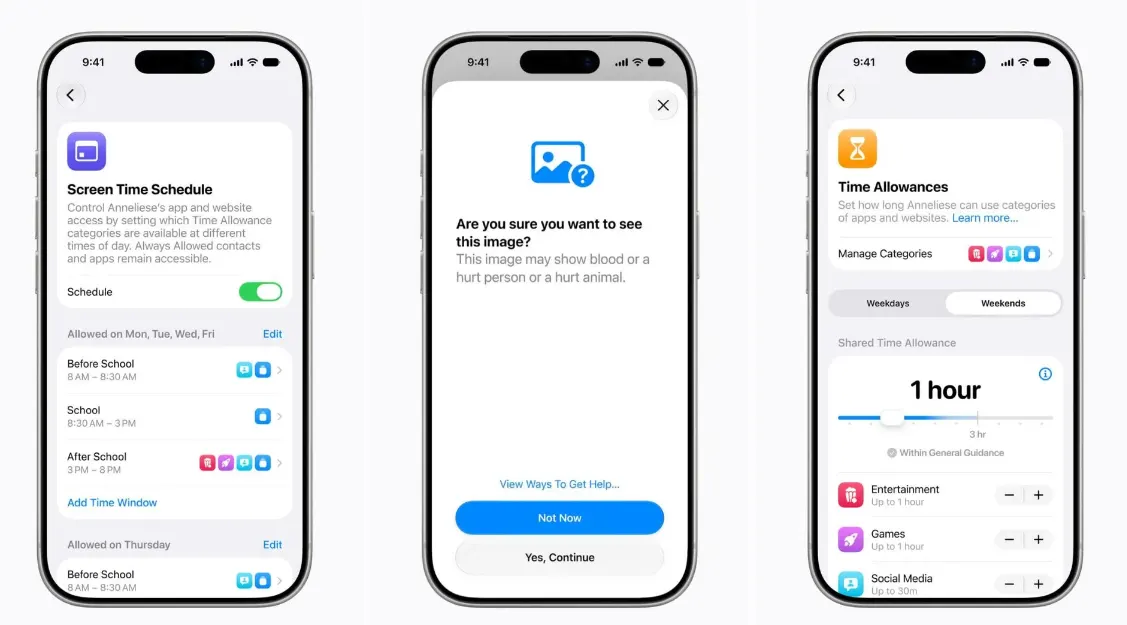
Parents now get more precise control over what their children can access, for how long, and under what conditions. New tools make it easier to set boundaries without needing a computer science degree to figure out the settings.
This is clearly a response to growing pressure from governments and parent groups around the world. Apple appears to be taking it seriously.
8. App Store — More Freedom for Developers
Apple gave developers more flexibility in how they distribute and present their apps on the App Store. While the details are still rolling out through the WWDC developer sessions, this is one of the more significant App Store policy updates in several years — good news for both developers building apps and businesses whose products live on the platform.
What Does All This Mean for Your Business?
If your company has a mobile app — or is planning to build one — WWDC 2026 matters more than it might appear on the surface.
Siri AI changes how users will find and interact with apps. iOS 27’s performance improvements shift what users will consider acceptable speed and quality. The App Store changes affect how your app is discovered.
At IPH Technologies, we build apps that are ready for where the platform is going — not just where it has been. If you want to understand what these announcements mean for your specific app or product, we are happy to walk you through it.










.png)