































































































The demand for high-quality iPhone applications continues to grow across the United States. From healthcare and fintech to e-commerce, logistics, real estate, and on-demand services, businesses are investing in iOS applications to improve customer experiences, streamline operations, and create new digital revenue channels.
However, choosing the right iPhone App Development Agency can be challenging. The agency you select can directly affect your app’s performance, security, scalability, user experience, development timeline, and long-term maintenance.
For U.S. businesses, the right development partner should understand both Apple’s technology ecosystem and the specific requirements of the American market.
Why Do Businesses in the USA Invest in iPhone App Development?
The iPhone has a strong presence in the U.S. market, making iOS applications an important digital channel for many businesses. A well-designed iPhone application can help companies provide personalized services, improve customer engagement, and simplify business processes.
Businesses can use iPhone applications for different purposes, including:
- Customer-facing mobile applications
- E-commerce and retail platforms
- Healthcare and telemedicine applications
- Banking and fintech solutions
- Travel and hospitality applications
- Real estate platforms
- Logistics and delivery applications
- Enterprise applications
- On-demand service applications
- AI-powered mobile applications
For startups and established companies, investing in iOS development can also provide an opportunity to build a scalable product that can evolve as business requirements change.
Also Read: AI Coding Agent Cost in the USA
What Does an iPhone App Development Agency Do?
An iPhone App Development Agency provides professional services for designing, developing, testing, launching, and maintaining applications for Apple’s ecosystem.
A full-service agency may support the complete development lifecycle, starting with business and technical requirements and continuing through post-launch maintenance.
Generally services include:
1. iPhone App Strategy and Consulting
Before development begins, an agency should understand the business model, target users, competitors, application requirements, and expected outcomes.
A proper discovery and planning process can help identify the core features required for the first version of the application and prevent unnecessary development costs.
2. UI/UX Design
User experience is particularly important for mobile applications. The design should make navigation intuitive while providing a consistent experience across different iPhone screen sizes.
An experienced iPhone development team can create user flows, wireframes, prototypes, and interface designs before moving into development.
3. Custom iPhone App Development
Custom development allows businesses to create applications based on their specific requirements rather than adapting their business processes to an existing application.
Development may include features such as user authentication, payment integration, push notifications, location services, chat, APIs, dashboards, subscriptions, and third-party integrations.
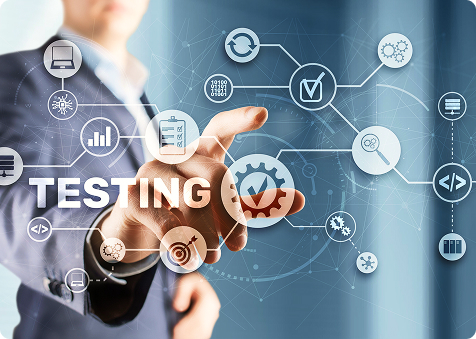
4. iOS App Testing
Testing is an essential part of the development process. Applications should be tested for functionality, performance, security, usability, compatibility, and different device configurations.
A structured testing process can help identify issues before the application reaches customers.
5. App Store Deployment
An experienced development partner can also assist with preparing an application for Apple’s App Store submission requirements.
This can include app configuration, metadata preparation, testing, compliance checks, and release support.
6. Maintenance and Support
Launching an application is not the end of the development process. Businesses may require ongoing updates, bug fixes, performance improvements, security updates, and new features.
Long-term maintenance is especially important as Apple’s operating systems and devices continue to evolve.
Also Read: iOS Healthcare App Development in USA
How to Choose the Right iPhone App Development Agency in the USA?
Instead of selecting an agency based only on price or marketing claims, U.S. businesses should evaluate several important factors.
1. Review Their iOS Development Experience
Start by examining the agency’s experience with iPhone and iOS application development.
Look for relevant projects, technical expertise, industry experience, and examples that demonstrate the company’s ability to handle applications similar to your requirements.
An agency experienced in healthcare applications, for example, may have a different technical understanding from an agency primarily focused on e-commerce apps.
2. Check Their Portfolio
A portfolio can provide valuable insight into an agency’s development capabilities.
When reviewing an agency’s portfolio, consider:
- Types of applications developed
- Industries served
- UI/UX quality
- Application functionality
- Technical complexity
- Third-party integrations
- Business problems solved
Rather than looking only at the number of projects, focus on whether the agency has experience with projects comparable to yours.
3. Evaluate Their Technical Expertise
Modern iPhone applications can require more than basic mobile development.
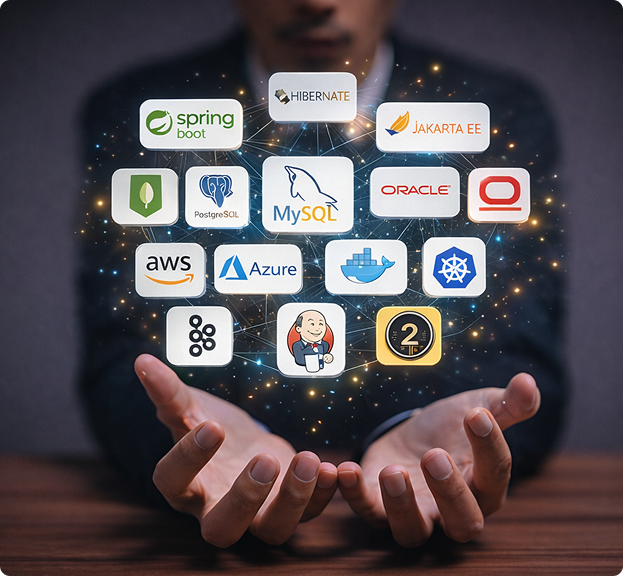
Depending on your project, the development team may need experience with technologies such as Swift, SwiftUI, REST APIs, cloud platforms, databases, payment gateways, AI integrations, analytics, and security technologies.
Ask the agency how it plans to build the application and why specific technologies are appropriate for your requirements.
4. Consider Security and Data Protection
Security should be a major consideration for U.S. businesses, particularly when applications process sensitive customer or financial information.
Depending on the application, the development process may need to address secure authentication, encrypted communication, secure data storage, access controls, API security, and privacy requirements.
Healthcare, financial, and enterprise applications may also have additional regulatory and compliance considerations.
5. Understand Their Development Process
A transparent development process can make collaboration easier and reduce project uncertainty.
Ask potential agencies how they manage:
- Requirement gathering
- UI/UX design
- Development
- Testing
- Project management
- Client communication
- Quality assurance
- Deployment
- Maintenance
A clear process helps businesses understand what happens at each stage of development.
Also Read: Hire AI Agent Developers for AI Automation
iPhone App Development Cost in the USA
The cost of developing an iPhone application can vary considerably.
There is no single price for iPhone app development because the final cost depends on the application’s complexity and business requirements.
Factors that can influence development costs include:
- Number of features
- UI/UX complexity
- Backend development
- API integrations
- Payment functionality
- Third-party services
- AI implementation
- Security requirements
- Number of user roles
- Testing requirements
- Post-launch maintenance
A simple application with a limited feature set may require significantly less development effort than a large enterprise application with complex backend systems and multiple integrations.
Before comparing quotes, businesses should make sure that agencies are providing estimates based on similar requirements.
Why U.S. Businesses Should Consider a Full-Service Development Partner?
Working with a full-service iPhone App Development Agency can simplify the development process because design, development, testing, deployment, and maintenance can be managed through one team.
This can be particularly useful for startups and businesses that do not have a dedicated internal mobile development team.
A development partner can also help businesses identify technical challenges early and plan the application architecture for future growth.
Why Choose IPH Technologies for iPhone App Development?
IPH Technologies provides mobile and software development services for businesses looking to build custom digital products.
The company works on mobile applications and software solutions across areas such as healthcare, fintech, e-commerce, logistics, education, real estate, and other industries.
For businesses evaluating an iPhone App Development Agency, IPH Technologies can be considered based on factors such as project requirements, technical expertise, portfolio relevance, development approach, and ongoing support.
The right development partner should ultimately be selected after evaluating the specific needs, technical requirements, budget, timeline, and long-term goals of the project.
Final Thoughts on iPhone App Development Agency
Choosing an iPhone App Development Agency is an important decision for businesses planning to launch or modernize a mobile application in the United States.
The right agency should offer more than coding services. Businesses should evaluate its iOS expertise, portfolio, UI/UX capabilities, security practices, development process, communication, testing approach, and post-launch support.
Whether you are building a startup MVP, an enterprise application, an e-commerce platform, or an AI-powered iPhone application, comparing agencies based on your specific requirements can help you identify a development partner that fits your project.
If your business is planning to build a custom iPhone application, start by defining your goals, target users, essential features, budget, and expected launch timeline. You can then use these criteria to evaluate potential development partners and request a detailed project proposal.
Frequently Asked Questions (FAQs)
How many iPhone applications have you developed?
Ask for examples of applications that are similar to your project in terms of functionality and technical complexity.
Which technologies will you use?
The agency should be able to explain the proposed technology stack and why it fits your application’s requirements.
How will you handle app security?
Discuss authentication, data protection, API security, secure storage, and other security requirements relevant to your application.
How do you manage testing?
Ask whether the agency has a dedicated quality assurance process and how it tests applications across supported devices and operating system versions.
Do you provide post-launch support?
Understand what happens after the application is published, including bug fixes, updates, maintenance, and future feature development.
How will communication and project management work?
Clarify communication channels, reporting, milestones, development methodology, and how changes to project requirements will be handled.










.png)