











































































































The U.S. precious metals market has entered a new phase. Rising demand for digital gold investment, growing interest in fractional ownership, and a generation of buyers who expect app-based convenience are pushing gold dealers, refiners, and bullion businesses to modernize. Building a gold trading platform is no longer a “nice to have” for many dealers; it’s becoming the primary way customers buy, sell, and store gold.
This guide walks through what a gold trading platform actually is, why U.S. businesses are investing in one, the regulatory landscape you need to navigate, and the core features that separate a compliant, trustworthy platform from a liability.
What Is a Gold Trading Platform?
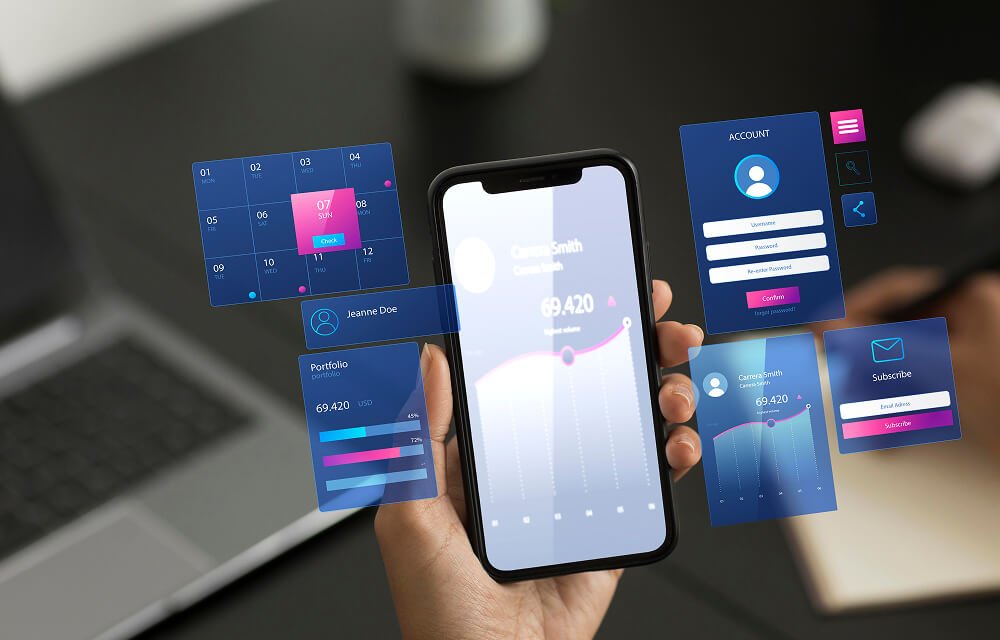
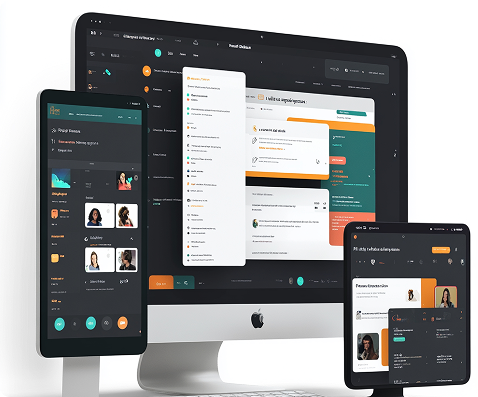
A gold trading platform is a digital system, a web application, mobile app, or both that allows users to buy, sell, trade, and sometimes store physical or digital gold in real time. Unlike a traditional storefront or phone-order bullion business, a platform automates pricing, order execution, custody tracking, and payment settlement.
Modern platforms generally fall into a few categories:
- Physical bullion marketplaces – Customers buy allocated or unallocated physical gold, often with vault storage or delivery options.
- Digital gold platforms – Gold-backed tokens or fractional ownership certificates representing real metal held in reserve.
- Spot trading platforms – Designed for active traders speculating on gold price movements, sometimes integrated with futures or CFD-style products.
- Hybrid platforms – Combining investment-grade bullion sales with trading functionality.
Also Read: Precious Metals Trading Platform Guide for US Dealers
Why Are U.S. Gold Dealers Building Trading Platforms?
Changing buyer expectations. Retail investors increasingly expect the same real-time pricing and instant execution they get from stock trading apps.
Fractional ownership demand. Not every buyer can afford a full ounce of gold; platforms that support fractional purchases open the market to a much larger customer base.
Operational efficiency. Automating pricing feeds, inventory reconciliation, and settlement reduces manual error and staffing overhead.
Trust and transparency. A well-built platform with audit trails, verified vaulting, and transparent pricing builds the kind of credibility that drives repeat business in a market built on trust.
Scalability. A digital platform allows a regional dealer to serve customers nationwide without opening new physical locations.
U.S. Trade Guidelines and Regulatory Considerations
This is the part most bullion software development teams underestimate. Gold trading in the U.S. touches multiple regulatory bodies, and the rules that apply depend heavily on how your platform structures transactions.
Key regulators and frameworks to understand:
- CFTC (Commodity Futures Trading Commission): Oversees commodity derivatives and, importantly, retail commodity transactions. Under the Dodd-Frank Act (7 U.S.C. § 2(c)(2)(D)), leveraged or margin retail gold transactions can fall under CFTC jurisdiction unless actual delivery of the metal occurs within a short statutory window, a critical design consideration if your platform offers leveraged or margin-based trading.
- NFA (National Futures Association): If your platform facilitates commodity futures or certain leveraged metals transactions, registration as a Futures Commission Merchant (FCM), Introducing Broker, or similar may be required.
- FinCEN (Financial Crimes Enforcement Network): Many bullion dealers qualify as Money Services Businesses (MSBs) or “dealers in precious metals” under the Bank Secrecy Act, triggering AML program requirements, Know Your Customer (KYC) procedures, and Suspicious Activity Report (SAR) obligations.
- State money transmitter licensing: If your platform holds customer funds or facilitates transfers before settling into metal, several states require money transmitter licenses, a patchwork that platforms operating nationally must map carefully.
- IRS reporting requirements: Certain cash transactions over $10,000, and specific bullion sales thresholds (Form 1099-B triggers for particular coin and bar types), carry reporting obligations.
- State sales tax rules on precious metals: Many states exempt bullion above certain purity and transaction thresholds, but rules vary significantly; your checkout logic needs to reflect this correctly.
The practical takeaway: Compliance isn’t a feature you bolt on later; it has to shape your platform architecture from day one. Legal counsel experienced in commodities and money transmission should be involved before development begins, not after launch.
Also Read: How to Choose Cryptocurrency Exchange Development Company
Core Features of a Compliant Gold Trading Platform
01 Real-Time Pricing Engine
Integration with reliable spot price feeds (e.g., LBMA benchmarks) with transparent markup disclosure. Price latency and slippage handling need to be built with care; disputes over execution price are among the most common customer complaints in this space.
02 KYC/AML Onboarding
Identity verification, sanctions screening (OFAC checks), and risk-based customer due diligence should be baked into account creation, not treated as an afterthought.
03 Secure Custody and Audit Trails
Whether metal is held in a third-party vault or allocated storage, customers expect verifiable proof of holdings, often through regular audits or blockchain-based attestation for digital gold products.
04 Payment and Settlement Infrastructure
Support for ACH, wire transfer, and card payments, with clear handling of funds-in-transit versus settled trades. If you allow margin or leveraged positions, settlement logic must align with CFTC delivery-window requirements.
05 Order Management and Trade Execution
Market orders, limit orders, and recurring purchase plans (popular for dollar-cost-averaging gold buyers) all require robust, auditable execution logic.
06 Reporting and Tax Documentation
Automated generation of trade confirmations, annual statements, and relevant tax forms reduces both customer friction and compliance risk.
07 Security Architecture
Given the value concentrated in these accounts, platforms need bank-grade security: encryption at rest and in transit, multi-factor authentication, cold storage for any digital asset components, and regular penetration testing.
Choosing a Development Approach with IPH Technologies
Dealers generally choose between three paths:
- Custom-built platforms – Highest flexibility and control, but longer timelines and higher upfront cost. Best for established dealers with distinct business models.
- White-label gold trading solutions – Faster to market, lower cost, but less differentiation and sometimes limited compliance customization.
- Hybrid builds – Licensing core infrastructure (pricing feeds, custody integrations) while custom-building the compliance and customer-facing layers.
Final Thoughts on Gold Trading Platform Development
A gold trading platform can transform a regional bullion business into a nationally competitive operation, but only if compliance, security, and transparent pricing are treated as foundational, not optional. The dealers who succeed in this space are the ones who invest as much in regulatory architecture as they do in user experience.
For any dealer or business considering this path, the recommended first step is a joint compliance-and-technical scoping session bringing legal counsel, compliance specialists, and your development team to the table before a single line of code is written.
Frequently Asked Questions (FAQs)
What is a gold trading platform?
A digital platform that enables businesses and customers to buy, sell, track, and manage gold transactions online.
What features should a gold trading platform include?
Key features include real-time gold prices, secure transactions, user accounts, portfolio management, order tracking, payment integration, and reporting.
Can IPH Technologies develop a custom gold trading platform?
Can gold trading platforms support real-time pricing?
How secure is a gold trading platform?
Security can include encryption, secure authentication, access controls, transaction monitoring, and other security measures based on business and regulatory requirements.
Can a gold trading platform integrate with payment systems?
Yes. Custom platforms can integrate with suitable payment gateways, banking systems, and other financial services.










.png)