









































































































The mining industry is undergoing a significant digital transformation as businesses look for smarter ways to manage equipment, improve worker safety, control operating costs, and maintain consistent production. In Utah, where mining and mineral extraction remain important industrial activities, technology is becoming an increasingly valuable part of modern mining operations.
Traditional mining processes often rely on manual inspections, disconnected systems, and historical data to make operational decisions. These approaches can make it difficult to identify equipment problems early, monitor productivity in real time, and respond quickly to unexpected disruptions.
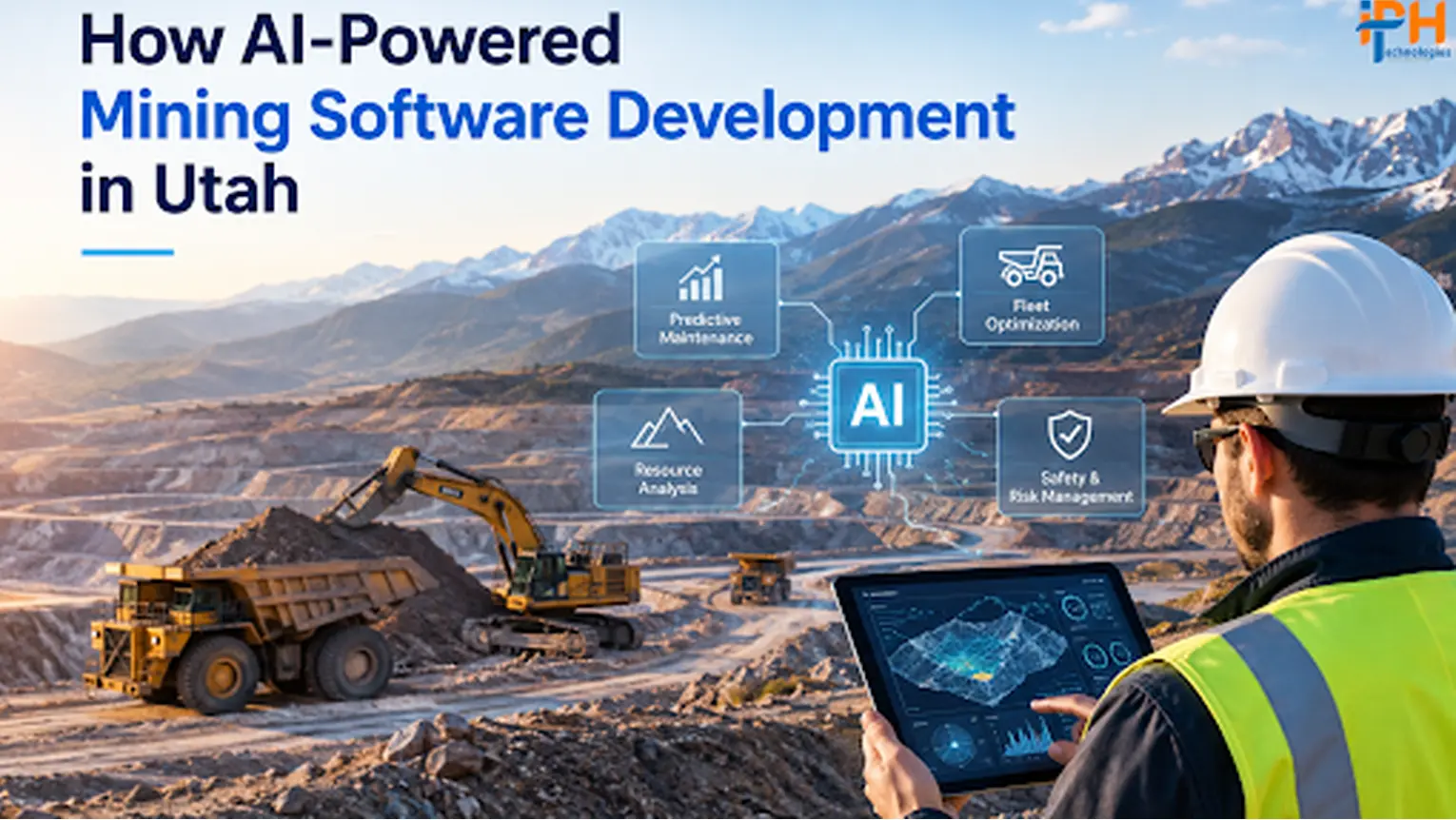
This is where AI-powered mining software development in Utah, can make a difference. By integrating artificial intelligence (AI), predictive maintenance, real-time equipment monitoring, automation, and advanced data analytics, mining businesses can gain better operational visibility and make more informed decisions.
Why Are Mining Companies in Utah Investing in Digital Transformation?
Mining operations involve complex processes, including equipment management, resource planning, workforce coordination, production tracking, and safety monitoring. Managing these activities across different locations and systems can create operational challenges.
Mining businesses increasingly need technology that connects operational data and provides actionable insights. Digital mining solutions can help operators identify inefficiencies, monitor equipment performance, streamline reporting, and coordinate daily activities more effectively.
For Utah-based mining companies, the right software strategy depends on the type of mining operation, available infrastructure, equipment requirements, and long-term business goals. Custom mining software can be designed around these specific requirements rather than forcing teams to adapt to a generic system.
Also Read: Device Management in Operating system
How AI-Powered Mining Software Is Improving Operational Efficiency?
Artificial intelligence enables mining businesses to analyze operational data, recognize patterns, and support faster decision-making. When integrated with mining management systems, AI can help teams identify potential problems, improve resource utilization, and make production planning more efficient.
1Predictive Maintenance to Reduce Equipment Downtime
Unexpected equipment failures can interrupt production, increase repair costs, and affect delivery schedules. Traditional maintenance approaches, such as fixed service intervals or reactive repairs, may not always identify developing problems at the right time.
AI-powered predictive maintenance software analyzes equipment data, including operating temperatures, vibration patterns, pressure readings, and historical maintenance records, to identify signs of potential failure.
Mining teams can use these insights to prioritize inspections, schedule maintenance, and plan replacement parts before a problem causes a major disruption. Although predictive maintenance cannot eliminate every equipment failure, it can help reduce avoidable downtime and improve maintenance planning.
For mining companies in Utah, this approach can be particularly valuable when equipment operates under demanding conditions or is difficult to access for frequent manual inspections.
2Real-Time Equipment Monitoring for Better Performance
Mining operations depend on the reliable performance of heavy machinery, including excavators, haul trucks, drilling equipment, and processing systems. Without timely information, operators may struggle to identify underutilized assets, excessive idle time, or performance issues.
Custom mining software can integrate with compatible sensors, telematics platforms, and equipment management systems to provide real-time or near-real-time operational visibility.
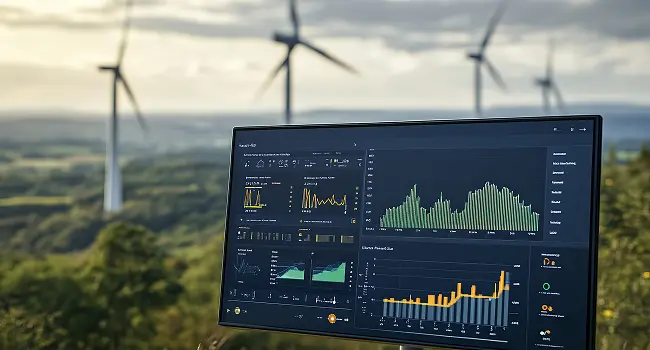
Through centralized dashboards, managers can monitor equipment utilization, operating hours, fuel consumption, machine status, and maintenance alerts. These insights help teams identify inefficiencies and allocate equipment according to operational priorities.
When combined with AI-based analytics, monitoring systems can also highlight unusual operating patterns that require further investigation.
3Automation to Streamline Mining Workflows
Manual processes can slow down mining operations, particularly when teams rely on spreadsheets, paper-based reports, or separate applications to manage daily activities.
Mining software development can automate repetitive workflows such as shift reporting, maintenance scheduling, equipment allocation, inventory tracking, and operational notifications.
For example, a mining management platform can automatically generate maintenance reminders when equipment reaches a defined operating threshold. It can also notify the responsible team when inventory falls below a specified level or when an operational issue requires attention.
Also Read: How to build app like astrotalk
4Data Analytics for Smarter Mining Decisions
Mining businesses generate data across exploration, extraction, processing, transportation, equipment maintenance, and workforce management. However, data has limited value when it remains scattered across disconnected systems.
Advanced mining analytics software brings relevant information together and transforms it into reports, dashboards, and actionable insights.
Managers can use these insights to evaluate production performance, track equipment availability, identify cost trends, compare operational targets, and assess resource utilization. AI-assisted analytics can also help identify patterns that might be difficult to recognize through manual reporting.
With access to reliable operational data, mining companies can make better-informed decisions about maintenance priorities, production schedules, equipment investments, and resource allocation.
5Improved Safety and Risk Monitoring
Worker safety is a critical priority across mining operations. Businesses need reliable processes for monitoring site conditions, identifying hazards, maintaining equipment, and ensuring that workers follow established safety protocols.
Mining software can support these activities through digital inspection checklists, incident reporting, maintenance alerts, environmental monitoring integrations, and centralized safety records.
Where suitable sensors and compatible systems are available, AI-based monitoring can help identify unusual environmental readings or equipment conditions that warrant investigation. Computer vision may also support specific safety-monitoring applications, subject to site conditions, privacy requirements, and appropriate validation.
Essential Features of Modern Mining Software
The effectiveness of a mining software solution depends on how well its features align with the operational needs of the business. A customized platform may include several interconnected capabilities.
Custom Mining Software Development vs. Off-the-Shelf Solutions
Mining companies evaluating digital transformation often need to decide whether to adopt an existing software product or invest in a custom-built platform.
The right approach depends on implementation costs, integration complexity, scalability, internal technical resources, and the expected long-term value. In some cases, integrating an existing mining platform with custom modules may be more practical than building an entirely new system.
Also Read: AI Gold Price Prediction in USA
Key Considerations Before Implementing AI Mining Software in Utah
Adopting AI-powered technology requires more than selecting software with advanced features. Mining businesses should first establish clear operational objectives and evaluate whether their existing infrastructure can support the proposed solution.
The Future of Mining Software Development in Utah
The future of mining technology will increasingly depend on how effectively businesses connect operational systems, use data, and apply automation to specific challenges.
AI-assisted maintenance planning, equipment monitoring, connected workflows, and advanced analytics offer opportunities to improve operational visibility and support more informed decisions. As these technologies mature, mining companies will need to evaluate their practical value, integration requirements, and suitability for real-world conditions.
For mining businesses in Utah, digital transformation does not necessarily require replacing every existing system. In many cases, the most effective strategy is to identify operational bottlenecks, modernize the systems that matter most, and introduce new capabilities in manageable stages.
Mining software development in Utah, can help businesses move toward more connected and data-driven operations when the technology is aligned with measurable business objectives. By investing in the right combination of software, integration, and AI capabilities, mining companies can build a stronger foundation for productivity, operational resilience, and future growth.
Key mining regulations and IT requirements in Utah
1. Federal Mine Safety and Health Administration (MSHA)
Mining businesses covered by federal mine-safety laws must comply with applicable MSHA requirements under Title 30 of the Code of Federal Regulations. These requirements can affect safety inspections, training records, equipment-related records, and reporting workflows.
2. Utah Division of Oil, Gas and Mining (DOGM)
Utah’s Minerals Program regulates non-coal mining operations, subject to applicable exceptions, and oversees mining plans, permit boundaries, reclamation, and related requirements under Utah Administrative Code Rule R647.
3. Environmental reporting and electronic records
Mining operations may be subject to applicable federal and state environmental permits, monitoring, recordkeeping, and reporting requirements. Where electronic submissions fall under an authorized EPA program, the Cross-Media Electronic Reporting Rule (CROMERR) establishes standards for legally reliable electronic reporting.
4. Utah data protection and breach notification
Utah’s Protection of Personal Information Act, Utah Code Title 13, Chapter 44, addresses the protection of personal information and notification obligations when certain data breaches occur. Applicable duties depend on the data and circumstances of the incident.
5. Utah coal mine safety rules
Utah’s Labor Commission lists the Coal Mine Safety Act and Utah Administrative Code Rule R616-4 among the applicable coal-mine safety authorities.
How IPH Technologies Supports Custom Software Development for Mining Businesses
Mining businesses looking to modernize their operations need technology that aligns with their existing workflows, operational priorities, and long-term growth plans. IPH Technologies provides software development services that can support organizations seeking customized digital solutions.
For mining companies exploring operational modernization, a tailored development approach can help connect business processes, improve data visibility, and create a foundation for more intelligent workflows.
Depending on project requirements, a mining software development engagement may include:
Every mining project has different technical and operational requirements. The appropriate solution should be determined through an assessment of existing systems, data availability, security needs, and expected business outcomes.
Final Thoughts on Mining Software Development in Utah
As the mining industry continues to embrace digital transformation, mining software development in Utah is becoming an important consideration for businesses looking to improve operational efficiency, equipment reliability, and data-driven decision-making. AI-powered analytics, predictive maintenance, real-time monitoring, and automated workflows can help mining companies address operational challenges while making better use of available resources.
For mining businesses, successful digital transformation starts with identifying the right challenges and implementing solutions that align with operational goals, security requirements, and applicable regulations. Partnering with an experienced software development company such as IPH Technologies can help organizations explore custom software solutions tailored to their business needs.
Frequently Asked Questions (FAQ)
1. What is mining software development?
Mining software development involves creating digital applications that support mining activities such as equipment management, production tracking, maintenance planning, inventory control, safety reporting, and operational analytics.
2. How can AI improve mining operations?
AI can analyze equipment and operational data to identify patterns, support predictive maintenance, improve planning, and help managers make informed decisions. Its effectiveness depends on data quality, implementation, and the specific use case.
3. Why should mining companies in Utah consider custom mining software?
Custom mining software can support specialized workflows, connect existing systems, and address operational requirements that standard products may not fully meet. It can also be designed to accommodate future business needs.
4. How much does custom mining software development cost?
The cost depends on the application’s scope, feature requirements, AI capabilities, system integrations, security requirements, and ongoing maintenance needs. A detailed requirements assessment is necessary to establish a realistic project estimate.
5. How long does it take to develop mining software?
Development timelines vary according to project complexity, integration requirements, data readiness, and testing needs. A focused initial application may be delivered sooner than a comprehensive platform connecting multiple operational systems.
6. Can mining software integrate with existing equipment and systems?
Yes, integration may be possible through compatible APIs, equipment interfaces, telematics platforms, sensors, and data connectors. Feasibility depends on the equipment’s capabilities, vendor restrictions, and the available technical documentation.










.png)