



















































Introduction The AI-Powered Mobile Revolution
Remember when mobile apps just did what you told them to do? Those days are long gone. Welcome to 2026, where your apps don’t just respond—they anticipate, learn, and adapt to your preferences before you even realize what you need. That’s the magic of machine learning, and it’s transforming mobile user experiences from good to absolutely phenomenal.
Today’s users expect more than functional apps. They want apps that understand them, predict their needs, and deliver personalized experiences that feel almost telepathic. Machine learning makes this possible by analyzing patterns, learning from behaviors, and continuously improving every interaction.
In this comprehensive guide, we’ll explore how machine learning is revolutionizing mobile app user experiences and why integrating ML into your app isn’t just a competitive advantage—it’s becoming a necessity for survival in the crowded app marketplace.
Understanding Machine Learning in Mobile Apps
What is Machine Learning?
Think of machine learning as teaching your app to learn from experience, just like humans do. Instead of programming every possible scenario manually, you feed the app data, and it discovers patterns, makes predictions, and improves its performance over time without explicit instructions.
It’s like teaching a child to recognize dogs. You don’t explain what makes a dog a dog—you show them lots of dogs, and eventually, they figure it out themselves. That’s essentially what ML algorithms do with user data and behaviors.
The Evolution of ML in Mobile Technology
Machine learning in mobile apps has come a long way from basic recommendation engines. In 2026, we’re seeing sophisticated ML models running directly on devices (edge AI), real-time personalization, advanced computer vision, conversational AI that understands context, and predictive analytics that seem almost magical.
The shift from cloud-based to on-device ML processing has been particularly transformative, enabling faster responses, better privacy, and functionality even without internet connectivity.
Also read – AI Statistics 2026: 77% Are Ahead—Are You Behind?
Personalization Creating Unique Experiences for Every User
Content Recommendations That Actually Work
Ever notice how Netflix seems to know exactly what you want to watch next? That’s ML-powered personalization in action. Modern mobile apps use machine learning algorithms to analyze your behavior, preferences, past interactions, time spent on different content, completion rates, and even what you ignore.
The result? Content recommendations that feel curated by someone who knows you personally. This isn’t random—it’s data-driven personalization that increases engagement by up to 60% and keeps users coming back.
| Personalization Metrics | Without ML | With ML Implementation | Improvement |
|---|---|---|---|
| User Engagement Rate | 18–22% | 45–60% | +150% |
| Session Duration | 3–4 minutes | 8–12 minutes | +200% |
| Content Discovery | 15–20% | 55–70% | +275% |
| User Retention (30 days) | 25–30% | 55–65% | +117% |
Adaptive User Interfaces
What if your app’s interface changed based on how you use it? That’s exactly what adaptive UI does. ML algorithms track which features you use most frequently, identify your usage patterns, notice when you struggle with certain tasks, and learn your preferred workflows.
Based on this data, the app automatically adjusts menu layouts, suggests shortcuts for your common tasks, hides features you never use, and optimizes the interface for your specific needs.
Smart Notifications and Timing
Nobody likes spam notifications, right? ML-powered notification systems learn the best time to reach you, understand which types of messages you engage with, predict when you’re most likely to take action, and avoid sending notifications during your busy or sleep hours.
This intelligent timing can increase notification engagement by over 400% compared to traditional one-size-fits-all approaches.
Predictive Analytics Anticipating User Needs
Behavioral Pattern Recognition
Machine learning excels at spotting patterns humans might miss. By analyzing thousands of data points, ML models can predict what you’ll need next, when you’re likely to abandon your cart, which product you’re about to search for, or when you might cancel your subscription.
This predictive capability allows apps to intervene at crucial moments—offering a discount when you’re about to leave, suggesting the exact product you were thinking about, or reminding you of unfinished tasks at the perfect time.
Proactive Problem Solving
Why wait for users to encounter problems when you can prevent them? ML-powered apps detect potential issues before they affect users, automatically optimize performance in the background, predict when features might fail, and provide solutions before you even know there’s a problem.
It’s like having a mechanic who fixes your car before it breaks down.
Also read- 10 MVP Features You Must Have (And 5 to Skip) | 2025 Guide
Natural Language Processing (NLP) in Mobile Apps
Intelligent Chatbots and Virtual Assistants
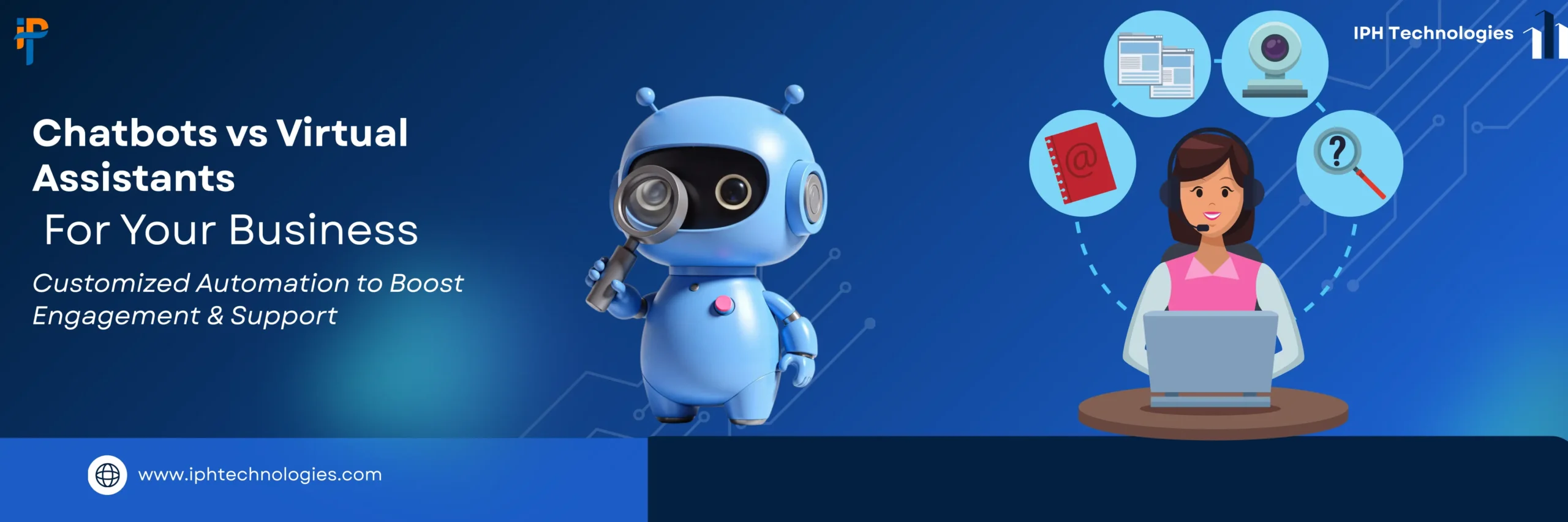
Gone are the days of frustrating chatbot conversations that feel like talking to a brick wall. ML-powered NLP enables chatbots that understand context and intent, remember previous conversations, handle complex queries naturally, detect emotion and adjust responses, and continuously improve from interactions.
These virtual assistants can resolve 70-80% of customer queries without human intervention, providing instant support while freeing up your team for complex issues.
Voice Recognition and Commands
Voice interaction is becoming the preferred interface for many users. ML makes voice features accurate across accents and dialects, capable of understanding natural speech patterns, responsive to voice commands even in noisy environments, and able to learn your speech patterns over time.
Image and Visual Recognition
Camera-Based Features
Your smartphone camera becomes incredibly smart with ML. Apps can now identify objects, text, and scenes in real-time, translate text captured by the camera instantly, recognize faces and authenticate users, provide AR overlays on real-world objects, and scan documents with automatic enhancement.
Augmented Reality Experiences
ML-powered AR creates immersive experiences by accurately tracking and mapping environments, recognizing surfaces for object placement, understanding spatial relationships, and adapting to different lighting conditions.
From trying on clothes virtually to visualizing furniture in your room, ML makes AR practical and impressive.
Smart Search and Discovery
Contextual Search Results
Traditional keyword search is being replaced by intelligent search that understands what you mean, not just what you type. ML-powered search considers your location and context, analyzes your search history, recognizes synonyms and related terms, handles typos and misspellings gracefully, and ranks results based on your preferences.
Visual and Voice Search Capabilities
Why type when you can show or speak? ML enables visual search by capturing product images, voice search with natural questions, and multimodal search combining voice, image, and text.
This flexibility makes search faster and more intuitive, especially for mobile users.
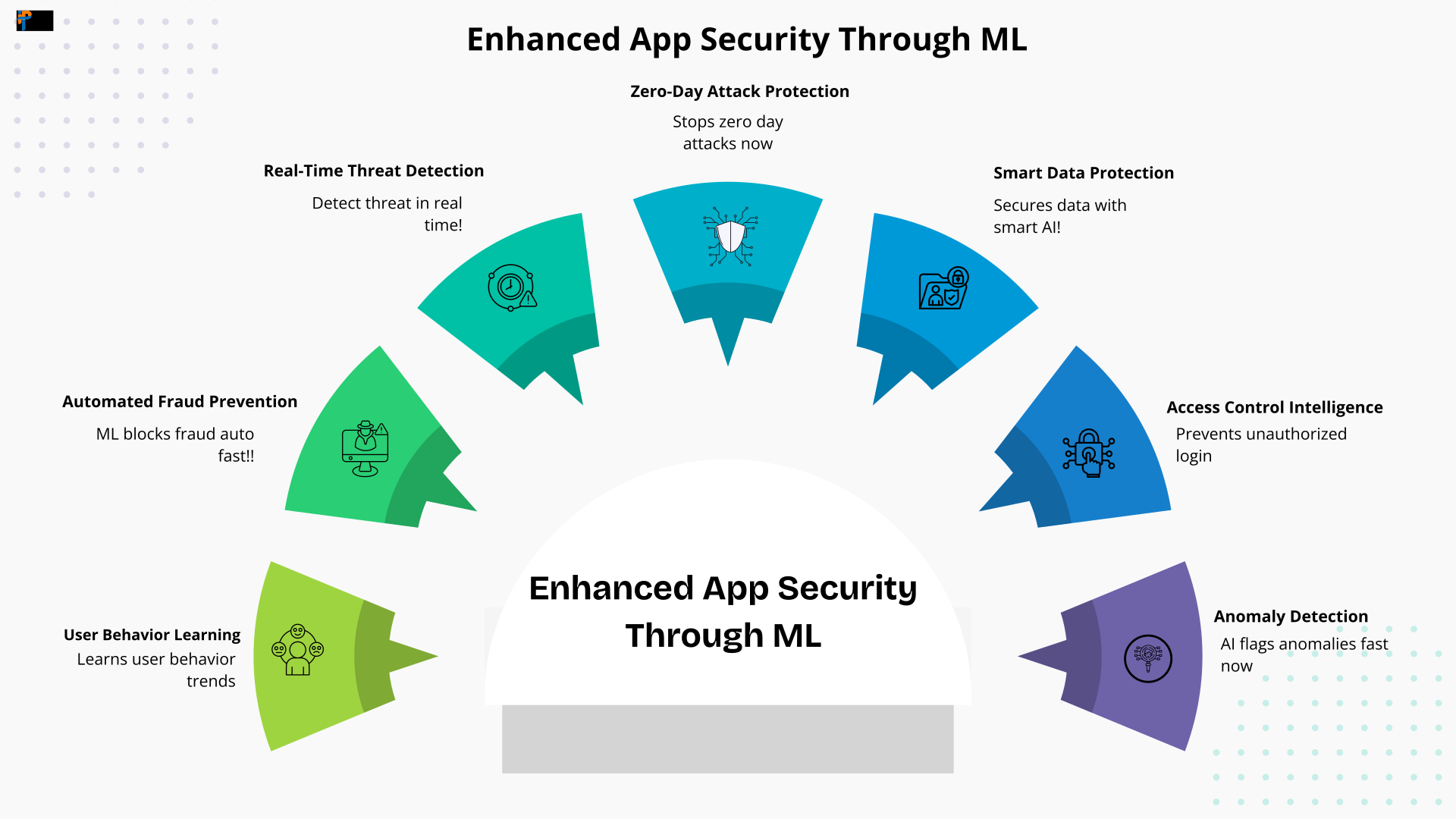
Enhanced App Security Through ML
Fraud Detection and Prevention
Security isn’t just about strong passwords anymore. ML algorithms monitor for unusual behavior patterns, detect potential fraud in real-time, identify suspicious transactions automatically, and adapt to new fraud techniques continuously.
This proactive security approach reduces fraud by up to 90% compared to traditional rule-based systems.
Biometric Authentication
ML makes biometric authentication more reliable through advanced facial recognition that works in various lighting, fingerprint detection that adapts to changes, behavioral biometrics analyzing typing patterns, and continuous authentication in the background.
Also read- Zero Trust Architecture for Mobile Apps Complete 2025 Security Guide
Performance Optimization Using Machine Learning
Battery Life Management
ML helps apps become more energy-efficient by predicting when you’ll use certain features, prioritizing background tasks intelligently, optimizing data sync schedules, and reducing unnecessary processing.
This intelligent resource management can extend battery life by 20-30%.
Network Optimization
ML algorithms optimize app performance across different network conditions by predicting connectivity issues, preloading content when bandwidth is available, compressing data intelligently, and switching between data sources seamlessly.
Real-World Applications Across Industries
E-commerce and Retail
ML transforms online shopping experiences through personalized product recommendations, virtual try-on features, price optimization based on demand, inventory management predictions, and dynamic search that understands intent.
Healthcare and Fitness
Health apps use ML for symptom analysis and preliminary diagnosis, personalized workout recommendations, medication reminders with intelligent timing, health trend analysis from wearable data, and mental health monitoring through behavior patterns.
Financial Services
Banking and finance apps leverage ML for fraud detection and prevention, personalized financial advice, spending pattern analysis, investment recommendations, and credit risk assessment.
Entertainment and Streaming
Entertainment apps excel with ML through content recommendations based on mood, quality optimization for network conditions, smart downloads during off-peak hours, and predictive caching for seamless playback.
Real-World Applications Across Industries
E-commerce and Retail
ML transforms online shopping experiences through personalized product recommendations, virtual try-on features, price optimization based on demand, inventory management predictions, and dynamic search that understands intent.
Healthcare and Fitness
Health apps use ML for symptom analysis and preliminary diagnosis, personalized workout recommendations, medication reminders with intelligent timing, health trend analysis from wearable data, and mental health monitoring through behavior patterns.
Financial Services
Banking and finance apps leverage ML for fraud detection and prevention, personalized financial advice, spending pattern analysis, investment recommendations, and credit risk assessment.
Entertainment and Streaming
Entertainment apps excel with ML through content recommendations based on mood, quality optimization for network conditions, smart downloads during off-peak hours, and predictive caching for seamless playback.
| Industry Application | ML Use Case | User Impact | Business Value |
|---|---|---|---|
| E-commerce | Product Recommendations | +75% discovery rate | +35% revenue |
| Healthcare | Symptom Analysis | Faster diagnosis | Reduced appointments |
| Finance | Fraud Detection | Enhanced security | 90% fraud reduction |
| Entertainment | Content Curation | +200% engagement | Increased retention |
| Social Media | Feed Personalization | +150% time spent | Higher ad revenue |
Also read- Top 5 Mobile App Development Companies in Qatar Your Complete 2025 Guide
Implementing ML in Your Mobile App Key Considerations
Before jumping into ML implementation, consider these critical factors:
Data Requirements: ML needs quality data to learn effectively. Start collecting relevant user data ethically and transparently.
Infrastructure Needs: Decide between cloud-based ML (more powerful) or on-device ML (faster, more private).
User Privacy: Always prioritize user privacy. Implement ML features that respect data protection regulations and user consent.
Cost vs. Benefit: ML integration requires investment. Ensure the expected user experience improvements justify the development costs.
Maintenance: ML models need regular updates and retraining to stay effective.
At IPH Technologies, we’ve successfully integrated machine learning features into numerous mobile applications across various industries. Our expertise in custom software solutions and cutting-edge technology helps clients implement ML features that genuinely enhance user experience while maintaining cost-effectiveness.
Challenges and Solutions in ML Integration
Data Privacy Concerns Solution: Implement federated learning where models train on user devices without sending personal data to servers. Use anonymization and encryption for any data that must be transmitted.
Model Size and Performance Solution: Use model compression techniques, implement edge AI for faster processing, and optimize algorithms for mobile constraints.
Implementation Complexity Solution: Start with pre-trained models and APIs, partner with experienced development teams like IPH Technologies, and begin with simple ML features before advancing to complex implementations.
Continuous Improvement Solution: Establish feedback loops, monitor model performance regularly, and plan for periodic retraining with new data.
The Future of ML in Mobile Apps
The future of ML in mobile apps is incredibly exciting. We’re heading toward truly personalized AI assistants that know you better than you know yourself, multimodal interactions combining voice, gesture, and text seamlessly, emotion recognition that adapts experiences to your mood, predictive experiences that anticipate needs before they arise, and democratized AI where even small apps can leverage powerful ML capabilities.
By 2027, we expect that virtually every successful mobile app will incorporate some form of machine learning, making it not just a feature but a fundamental requirement.
Also read- Blockchain Integration in Mobile Apps: Complete Guide 2025
Conclusion
Machine learning isn’t just enhancing mobile app user experiences—it’s completely redefining what’s possible. From personalized content and predictive analytics to intelligent security and seamless performance optimization, ML is making apps smarter, more intuitive, and genuinely helpful.
The apps that thrive in 2026 and beyond will be those that leverage machine learning to create experiences that feel personal, anticipatory, and effortlessly smooth. Users no longer tolerate generic, one-size-fits-all apps when ML-powered alternatives offer experiences tailored specifically to their needs.
Whether you’re building a new app or enhancing an existing one, integrating machine learning capabilities should be high on your priority list. At IPH Technologies, we’ve helped over 430 satisfied clients transform their mobile applications with cutting-edge ML features, delivering exceptional results through our comprehensive suite of development services.
With our track record of 500+ successful projects and expertise in innovative technologies, we’re committed to helping you leverage machine learning to create mobile experiences that don’t just meet user expectations—they exceed them in ways users never knew were possible.
Ready to make your app smarter? Let’s explore how machine learning can transform your mobile user experience.








.png)