























































Introduction The AI Revolution in Customer Engagement
Have you ever wondered why some online businesses seem to convert visitors into customers effortlessly while others struggle despite having great products? The secret weapon in 2026 isn’t just about having a slick website or competitive pricing—it’s about having intelligent conversations at scale.
AI chatbots and virtual assistants have evolved from those frustrating “press 1 for sales” systems into sophisticated digital team members that understand context, predict needs, and guide customers through their journey with almost human-like intuition. For SaaS companies and e-commerce businesses, these AI-powered tools aren’t just nice-to-have features anymore—they’re essential conversion engines that can make or break your bottom line.
In this comprehensive guide, we’ll explore exactly how these digital assistants are transforming conversion rates, backed by real data, practical strategies, and insights that you can implement today. Whether you’re running a subscription-based software company or an online store, understanding this technology could be the difference between explosive growth and stagnation.
Also read- Top 7 Digital Transformation Technologies Revolutionizing Business Operations
Understanding AI Chatbots and Virtual Assistants
What Are AI Chatbots?
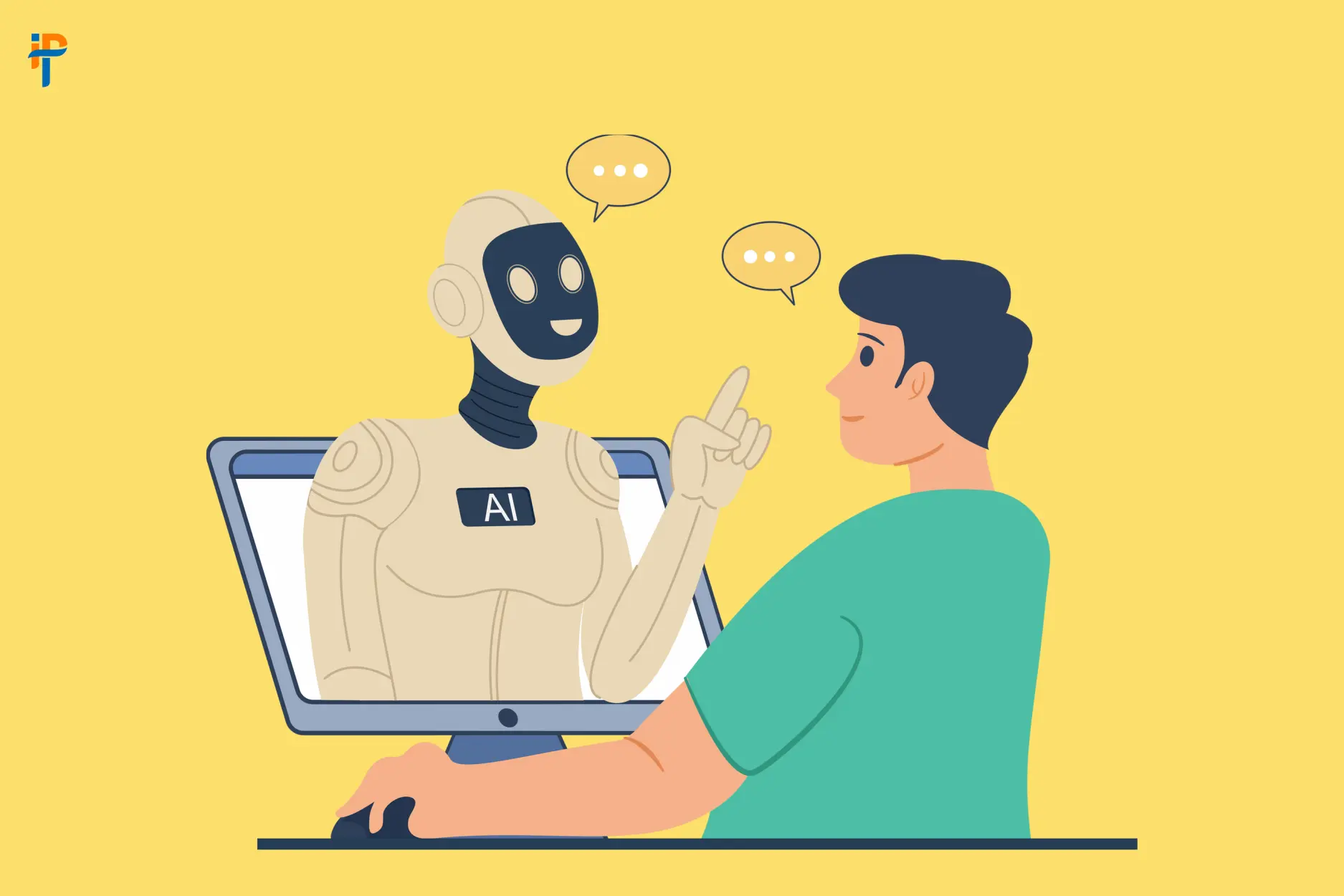
AI chatbots in 2026 are far more sophisticated than their predecessors from just a few years ago. These intelligent programs use advanced machine learning algorithms, natural language processing (NLP), and large language models to understand customer queries, context, and even emotional undertones. Unlike the scripted bots of the past, modern AI chatbots can handle complex conversations, remember previous interactions, and learn from every customer engagement.
Think of today’s AI chatbots as your most knowledgeable customer service representative who never sleeps, never has a bad day, and can simultaneously help thousands of customers while maintaining personalized attention for each one. They’re powered by neural networks that process language in ways that mirror human understanding, making interactions feel natural and productive rather than robotic and frustrating.
Virtual Assistants vs. Traditional Chatbots
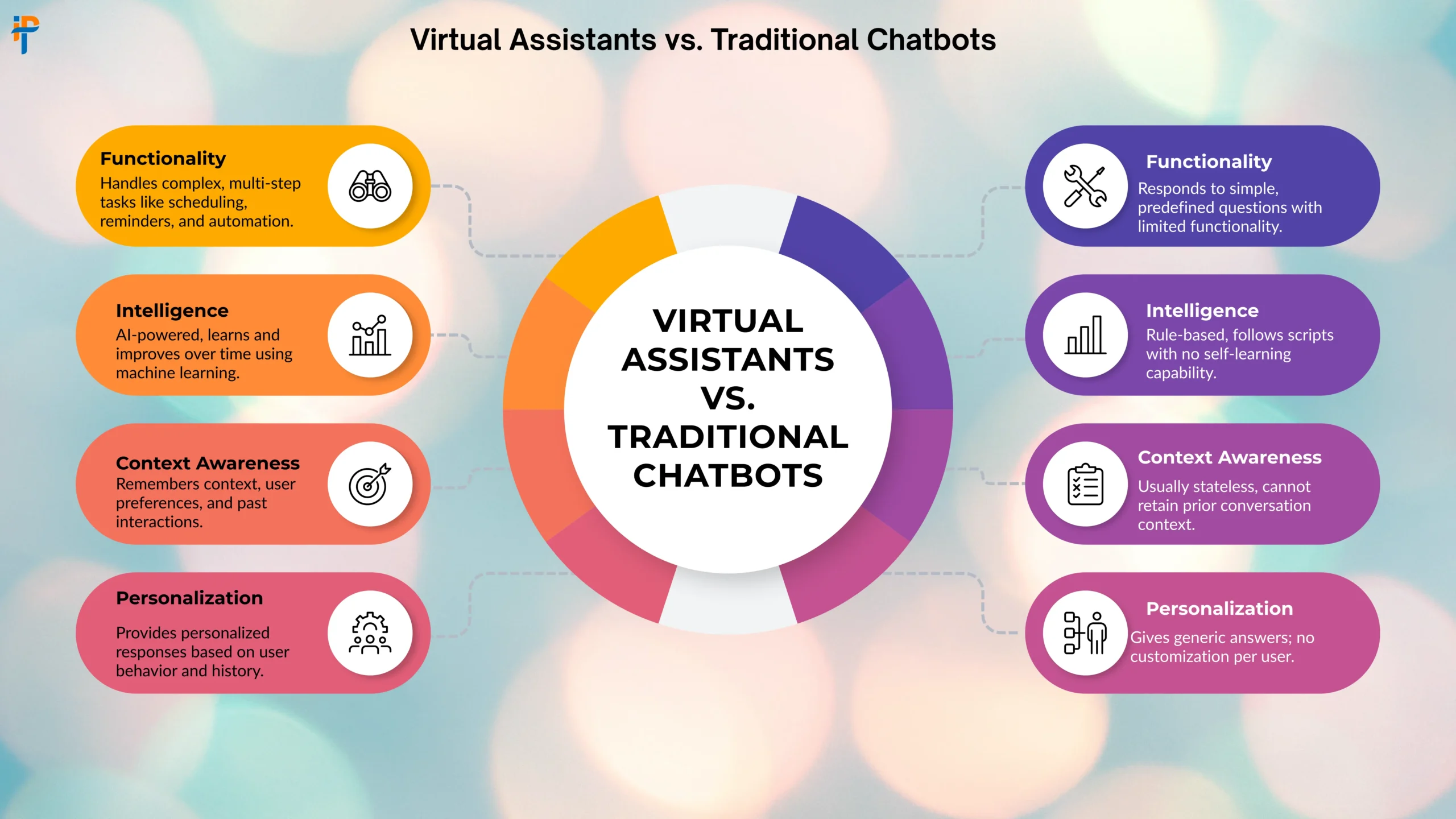
While the terms are often used interchangeably, there’s a crucial distinction worth noting. Traditional chatbots typically follow pre-programmed decision trees—if a customer says X, respond with Y. Virtual assistants, on the other hand, leverage AI to understand intent, context, and nuance.
According to industry research on conversational AI, virtual assistants can handle up to 80% of routine customer inquiries without human intervention, while maintaining satisfaction scores comparable to human agents. This represents a massive leap forward from traditional chatbots, which often frustrate users with their inability to understand anything outside their narrow programming.
Key Differences in 2026 Technology
The technological leap we’ve witnessed includes several game-changing capabilities:
- Contextual memory: Virtual assistants remember past conversations and user preferences across sessions, creating continuity that was impossible just a few years ago
- Emotional intelligence: Advanced sentiment analysis allows them to detect frustration, excitement, or confusion and adjust their responses accordingly
- Proactive engagement: Rather than waiting for questions, they anticipate needs based on user behavior patterns and browsing history
- Multimodal interaction: They can process text, voice, images, and even video inputs simultaneously, providing flexibility in how customers choose to communicate
These advancements mean that interacting with an AI assistant in 2026 feels less like talking to a machine and more like having a conversation with a well-informed, attentive sales associate or support specialist.
The Current State of Conversions in SaaS and E-Commerce
Conversion Challenges Businesses Face Today
Let’s talk about the elephant in the room—conversion rates across both SaaS and e-commerce industries remain disappointingly low for most businesses. The average e-commerce conversion rate hovers around 2-3%, while SaaS free trial-to-paid conversions typically range between 2-5%. These numbers have remained stubbornly stagnant despite massive investments in website optimization, marketing, and user experience design.
But why? Customers today face analysis paralysis with too many options, have shorter attention spans, and expect instant gratification. When they hit a roadblock—whether it’s confusion about pricing, product features, or the checkout process—they simply bounce to a competitor. In fact, 53% of potential customers will abandon a purchase if they can’t find quick answers to their questions, and 67% of cart abandonment is directly related to unexpected costs or confusion during the checkout process.
Why Traditional Methods Are Falling Short
Traditional support methods like email tickets or even live chat with human agents can’t keep pace with modern customer expectations. Average email response times range from 12-24 hours—an eternity in digital time. Even live chat, when available, often involves wait times of several minutes, and human agents can only handle one or two conversations simultaneously.
The economics don’t work either. Hiring, training, and maintaining a customer service team capable of providing 24/7 coverage is prohibitively expensive for all but the largest enterprises. Average customer service costs per interaction with human agents range from $8-15, compared to $0.50-2.00 for AI-powered interactions. This cost differential becomes especially significant when you’re handling thousands or tens of thousands of customer interactions monthly.
This is where AI steps in to bridge the gap, offering instantaneous responses, unlimited scalability, and round-the-clock availability at a fraction of the cost.
Also read- Deadly Mobile App Development Mistakes Businesses Must Avoid in 2026
How AI Chatbots Drive SaaS Conversions
Personalized Onboarding Experiences
For SaaS companies, the onboarding phase is make-or-break. Research consistently shows that 86% of people are more likely to stay loyal to a business that invests in onboarding content that welcomes and educates them after purchase. However, creating personalized onboarding experiences for every user segment manually is resource-intensive and often inconsistent.
AI chatbots excel at creating personalized onboarding journeys by:
- Asking qualifying questions to understand user goals and use cases
- Providing customized tutorials based on industry, role, and specific objectives
- Offering proactive tips exactly when users need them, based on their navigation patterns
- Identifying and addressing confusion points in real-time before frustration leads to abandonment
Imagine a project management software where a new trial user logs in for the first time. Instead of being dropped into an empty dashboard with a generic “Get Started” tutorial, an AI assistant greets them by name, asks a few quick questions about their team size and primary goal, then walks them through setting up their first project with templates and examples relevant to their specific industry. This personalized approach can increase activation rates—the percentage of users who complete key setup actions—by 40-60%.
Real-Time Problem Resolution
Nothing kills SaaS conversions faster than a confused trial user who can’t figure out a feature. Traditional support options leave users stuck: they can search documentation (often poorly organized), submit a ticket (waiting hours or days for response), or try to figure it out themselves (frequently leading to abandonment).
AI chatbots provide instant answers to technical questions, guide users through complex processes step-by-step, and can even trigger screen-sharing sessions or video tutorials based on specific issues. They understand context—so if a user asks “How do I add team members?” the AI knows which account they’re in, what plan they’re on, and can provide exact steps with screenshots relevant to their specific situation.
Reducing Trial-to-Paid Conversion Friction
The critical moment when a trial user decides whether to pull out their credit card often comes down to answering a few lingering questions about pricing, features, or implementation. AI virtual assistants can identify these high-intent moments through behavioral signals—like repeatedly visiting the pricing page, comparing plan features, or hovering over the upgrade button—and proactively address concerns.
By intervening at exactly the right moment with relevant information or offering to connect users with a sales representative when purchase intent is high, AI assistants can increase trial-to-paid conversions by 20-35%. This represents millions in additional annual recurring revenue for growing SaaS companies.
Virtual Assistants Transforming E-Commerce Sales
Product Recommendations That Actually Work
Gone are the days of generic “customers also bought” recommendations that feel random and irrelevant. AI virtual assistants in 2026 analyze browsing patterns, purchase history, demographic data, real-time conversation context, and even seasonal trends to suggest products with uncanny accuracy.
Imagine a customer browsing running shoes who mentions in the chat they’re training for their first marathon. An intelligent virtual assistant doesn’t just recommend shoes—it might suggest the right type for long-distance running, appropriate accessories like moisture-wicking socks or GPS watches, and even relevant nutritional products, creating a comprehensive solution that increases average order value by 30-45%.
The beauty of conversational recommendations is that they feel helpful rather than pushy. When an AI assistant asks clarifying questions—”What surface will you be running on mostly?” or “Do you prefer more cushioning or a minimalist feel?”—it demonstrates genuine interest in finding the right product, building trust that translates directly into higher conversion rates.
Cart Abandonment Recovery Strategies
Cart abandonment remains one of e-commerce’s biggest challenges, with an average rate of nearly 70% across all industries. Traditional recovery tactics—automated email sequences sent hours after abandonment—recover only a small fraction of potentially lost sales.
AI chatbots combat cart abandonment in real-time by:
- Detecting abandonment signals (like moving the mouse toward the browser close button) and engaging customers before they leave
- Addressing specific concerns through conversational inquiry: “I noticed you’re about to leave—is there something I can help you with?”
- Offering personalized incentives when appropriate, such as free shipping or time-limited discounts
- Simplifying the checkout process through guided assistance, like auto-filling forms or clarifying shipping options
One e-commerce retailer using AI-powered abandonment intervention reported recovering 23% of carts that would have otherwise been lost—translating to hundreds of thousands in additional monthly revenue.
Post-Purchase Engagement
The conversation doesn’t end at checkout, and this is where many e-commerce businesses miss opportunities. Smart virtual assistants continue engagement post-purchase by providing order updates, answering product questions, facilitating easy returns or exchanges, and suggesting complementary products based on what was purchased.
For instance, if a customer bought a camera, the AI assistant might follow up a few days later asking how they’re enjoying it and suggesting compatible lenses, memory cards, or carrying cases. This type of thoughtful, timely engagement increases customer lifetime value by 25-40% and dramatically improves retention rates.
Key Features of High-Converting AI Assistants in 2026
Natural Language Processing Advancements
The NLP capabilities available in 2026 are remarkably sophisticated compared to even what was possible in 2023-2024. Modern AI assistants understand:
- Colloquialisms and slang: “That’s fire!” is correctly interpreted as enthusiasm rather than an emergency
- Multiple languages with real-time translation: A Spanish-speaking customer can chat naturally while an English-speaking business owner sees translated conversations
- Industry-specific jargon: Medical, legal, technical, and financial terminology is understood in proper context
- Implicit intent: Understanding what customers mean, not just what they literally say—so “Is it any good?” after viewing a product is correctly interpreted as a request for reviews or quality information
This linguistic sophistication eliminates the frustration of previous generations of chatbots that couldn’t understand anything phrased outside their exact training parameters.
Predictive Analytics and Customer Intent Recognition
Perhaps the most powerful feature is predictive analytics. By analyzing micro-behaviors—how long someone hovers over a feature, what pages they revisit, their navigation patterns, scrolling behavior, and even typing speed—AI can predict customer intent with 75-85% accuracy and intervene at the perfect moment.
For example, if a user on a SaaS pricing page visits three times, compares enterprise vs. professional plans, and then navigates to the FAQ section, the AI recognizes high purchase intent with specific concerns about features or pricing. It can proactively pop up: “I noticed you’re comparing our Enterprise and Professional plans—would you like me to walk you through the key differences?” This timely intervention often provides the exact push needed to convert.
Omnichannel Integration Capabilities
Today’s customers start conversations on one channel and expect to continue them seamlessly on another. You might begin a conversation on a company’s website, then later pick it up via text message or within a mobile app, without having to re-explain your entire situation.
The best AI virtual assistants integrate across:
- Website chat widgets
- Social media platforms (Facebook Messenger, Instagram DMs, WhatsApp Business)
- Email conversations
- SMS/text messaging
- Mobile app in-chat support
- Voice assistants (Alexa, Google Assistant integration)
This omnichannel presence means customers can get help wherever they are, in whatever format is most convenient, dramatically reducing friction in the customer journey.
Also read- Step-by-Step Guide to Building a Successful Mobile App in 2026
Measurable Impact: Conversion Rate Statistics
Let’s talk numbers, because that’s what really matters, right? Here’s a comprehensive look at how AI chatbots and virtual assistants impact key conversion metrics based on industry data and real-world implementations:
Table 1: AI Chatbot Impact on SaaS Conversion Metrics
| Metric | Without AI Chatbots | With AI Chatbots | Improvement |
|---|---|---|---|
| Trial Sign-up Rate | 3.2% | 4.8% | +50% |
| Trial-to-Paid Conversion | 4.5% | 6.3% | +40% |
| Customer Onboarding Time | 8.5 days | 4.2 days | -51% |
| Support Ticket Volume | 100% (baseline) | 35% | -65% |
| Customer Satisfaction Score | 7.2/10 | 8.6/10 | +19% |
| Average Response Time | 4.5 hours | Instant | -100% |
| User Activation Rate | 42% | 68% | +62% |
These metrics represent aggregated data from multiple SaaS companies across various industries and company sizes, showing consistent patterns of improvement.
Table 2: E-Commerce Conversion Improvements with Virtual Assistants
| Metric | Without Virtual Assistants | With Virtual Assistants | Improvement |
|---|---|---|---|
| Overall Conversion Rate | 2.3% | 3.8% | +65% |
| Average Order Value | $87 | $114 | +31% |
| Cart Abandonment Rate | 69% | 48% | -30% |
| Customer Retention (90 days) | 22% | 34% | +55% |
| Customer Service Costs | $8.50/interaction | $1.20/interaction | -86% |
| Repeat Purchase Rate | 18% | 29% | +61% |
| Customer Lifetime Value | $285 | $412 | +45% |
These aren’t just incremental improvements—we’re talking about transformation. A 65% increase in e-commerce conversion rates or a 40% boost in SaaS trial conversions can fundamentally change a business’s trajectory and profitability.
Consider what these numbers mean in practice: An e-commerce business doing $1 million annually in revenue with a 2.3% conversion rate could potentially reach $1.65 million with the same traffic simply by implementing effective AI virtual assistant technology. For a SaaS company with 1,000 monthly trial sign-ups, a 40% improvement in trial-to-paid conversion means an additional 16 paying customers monthly—potentially worth hundreds of thousands in annual recurring revenue.
Implementation Strategies for Maximum ROI
Choosing the Right AI Solution for Your Business
Not all AI chatbot solutions are created equal, and the wrong choice can lead to wasted investment and frustrated customers. When evaluating options, consider these factors carefully:
For SaaS Companies:
- Integration capabilities: Does it connect seamlessly with your product’s API, allowing the AI to actually perform actions on behalf of users?
- Product knowledge training: Can it be trained on your specific feature set, use cases, and technical documentation?
- Analytics depth: Does it provide insights on user friction points, common questions, and conversion bottlenecks?
- CRM synchronization: Can it sync with your Salesforce, HubSpot, or other CRM to provide sales teams with valuable context?
For E-Commerce Businesses:
- Product catalog integration: Can it access your inventory in real-time to provide accurate product information and availability?
- Payment gateway compatibility: Does it work with your existing checkout and payment systems?
- Inventory awareness: Can it intelligently recommend based on stock levels and avoid suggesting out-of-stock items?
- Multi-language support: If you serve global markets, can it communicate effectively in your customers’ native languages?
Universal Considerations:
- Scalability: Will it handle growth from hundreds to thousands or tens of thousands of daily conversations?
- Customization flexibility: Can you tailor the personality, tone, and brand voice to match your company?
- Analytics and reporting: What insights does it provide to help you continuously improve?
- Pricing model: Is it cost-effective for your volume and budget?
Integration Best Practices
Successful implementation isn’t just about deploying technology—it’s about strategy, change management, and continuous optimization. Here’s what works based on hundreds of successful implementations:
- Start with high-impact touchpoints: Don’t try to automate everything at once. Focus on conversion-critical moments like checkout pages, pricing pages, or onboarding flows where assistance has the highest potential impact. Prove value in one area before expanding.
- Maintain the human touch: Use AI for efficiency but ensure smooth handoffs to human agents for complex issues, high-value sales opportunities, or emotionally charged situations. The best systems blend AI and human support seamlessly, with the AI handling 70-80% of routine interactions and escalating appropriately.
- Design conversational flows carefully: Work with copywriters and UX designers, not just developers. The way your AI communicates is as important as what it knows. Conversational design that feels natural, uses your brand voice, and asks questions in a logical flow dramatically impacts conversion effectiveness.
- Implement progressive disclosure: Don’t overwhelm users with information. AI assistants should provide concise answers with options to dive deeper if desired, mimicking how good salespeople communicate.
- Continuous training and optimization: AI chatbots learn and improve over time, but only if you invest in their education. Regularly review conversation logs, identify common failures or confusion points, and refine responses. Plan for monthly optimization sessions as part of your workflow.
- Transparent communication: Let customers know they’re interacting with AI while emphasizing the benefits—instant response, 24/7 availability. Transparency builds trust and sets appropriate expectations. Most customers prefer helpful AI over waiting for human assistance.
- Measure relentlessly: Define success metrics upfront and track them religiously. Monitor not just conversation volume but quality metrics like resolution rate, customer satisfaction scores, conversion impact, and cost savings.
At IPH Technologies, we’ve implemented AI chatbot solutions for over 430+ satisfied clients, and we’ve found that the most successful deployments follow a phased approach—starting with a focused use case, measuring results rigorously, and expanding systematically based on data-driven insights rather than assumptions.
Also read- Machine Learning Mobile Apps: Boost User Experience 2026
Common Pitfalls to Avoid
Even with the best technology, implementation can go wrong. Watch out for these common mistakes that can undermine your AI assistant’s effectiveness:
- Over-automation: Trying to automate complex, emotional, or high-stakes conversations can backfire spectacularly. If a customer is angry about a defective product or a failed transaction, they need empathy and flexibility that AI can’t yet provide. Know when to bring in human agents—typically for complaints, complex technical issues, high-value B2B sales, and sensitive account matters.
- Poor handoff experiences: Nothing frustrates customers more than repeating information when transferred from bot to human. Your AI system must pass complete context—conversation history, customer information, issues discussed, and solutions attempted—to human agents seamlessly. The customer should never know a handoff occurred from a user experience perspective.
- Neglecting mobile optimization: With over 60% of e-commerce traffic coming from mobile devices, your AI assistant must work flawlessly on smartphones. This means readable chat interfaces, mobile-friendly input methods, and quick load times. An AI assistant that’s great on desktop but clunky on mobile will hurt more than help.
- Ignoring data privacy: With increasing privacy regulations like GDPR in Europe, CCPA in California, and similar laws worldwide, ensure your AI chatbot complies with all relevant regulations. Be transparent about data collection and usage, obtain proper consent, implement strong security measures, and provide easy opt-out options. Privacy violations can result in massive fines and destroyed brand trust.
- Generic responses: AI chatbots that feel robotic or give obviously templated responses undermine trust and effectiveness. Invest in natural, conversational design that mirrors your brand voice. The AI should sound like a helpful team member, not a corporate robot reading from a script.
- Insufficient training data: Deploying an AI assistant without adequate training on your specific products, common customer questions, and industry context is like hiring a salesperson who knows nothing about what you sell. Plan for substantial initial training and ongoing refinement.
- No clear escalation path: Customers need an obvious, easy way to reach a human when needed. Burying the “speak to a human” option or making customers jump through hoops creates frustration that damages brand perception.
- Set-and-forget mentality: AI chatbots require ongoing optimization. Customer needs evolve, new products launch, common questions change. Plan for regular maintenance and improvement as part of your operational workflow, not as an afterthought.
The Future: What’s Next for AI-Driven Conversions
Looking ahead, the evolution of AI chatbots and virtual assistants shows no signs of slowing. Here’s what’s on the horizon based on current technological developments:
- Hyper-personalization through advanced AI: Future virtual assistants will leverage even more sophisticated AI models that can predict customer needs with near-perfect accuracy by analyzing hundreds of behavioral signals simultaneously. They’ll understand not just what you’re shopping for, but why—anticipating needs before you even articulate them.
- Voice-first interactions: As voice recognition technology continues improving, expect more seamless voice-based shopping and support experiences, particularly in mobile contexts. Imagine speaking to your phone: “I need a birthday gift for my tech-savvy nephew who’s 14,” and having an AI assistant immediately curate appropriate options with explanations.
- Augmented reality integration: Virtual assistants will soon combine conversational AI with AR visualization. Imagine chatting with an AI about furniture, and it doesn’t just recommend a sofa—it shows you how it would look in your living room through your phone’s camera, all within the chat interface. This fusion of technologies will dramatically reduce purchase hesitation for products where visualization matters.
- Emotional AI maturity: The next generation will read facial expressions through device cameras (with permission) and modulate responses based on emotional states, creating truly empathetic digital interactions. If you look frustrated, the AI might adjust its approach or proactively offer human assistance.
- Predictive commerce: AI assistants will evolve from reactive to proactive, reaching out to customers before they even start shopping. Based on purchase patterns, seasonal needs, and predictive analytics, they’ll suggest products at exactly the right time—like reminding you to reorder your favorite skincare product before you run out or suggesting weather-appropriate clothing as seasons change.
- Blockchain-verified authenticity: As deepfakes and AI impersonation become more sophisticated, blockchain-verified AI assistants will provide customers with confidence they’re interacting with legitimate business representatives, not scammers using AI to impersonate brands.
For companies like IPH Technologies, staying ahead of these trends means continuously innovating our development approaches. With over 500 successful projects under our belt, we’ve learned that the key to leveraging AI for conversions isn’t just implementing the latest technology—it’s understanding how to align that technology with genuine customer needs and business objectives.
Our expertise spans mobile app development, web applications, and custom software solutions, but the unifying thread is our commitment to using technology to solve real business problems, not just following trends. As AI continues evolving, we’re here to help businesses navigate these changes strategically and implement solutions that deliver measurable results.
Also read- Low-Code No-Code Automation Transform Business Processes in 2026
Conclusion
AI chatbots and virtual assistants have evolved from experimental novelties to essential conversion tools in 2026. For both SaaS and e-commerce businesses, they represent a powerful opportunity to engage customers more effectively, resolve issues instantly, personalize experiences at scale, and ultimately convert more visitors into paying customers.
The data doesn’t lie—businesses implementing AI-driven customer engagement are seeing conversion improvements ranging from 30% to 65% across various metrics, with additional benefits in customer satisfaction, support cost reduction, and lifetime value increases. These improvements aren’t marginal tweaks—they’re business-transforming changes that can mean the difference between struggling and thriving in competitive markets.
But technology alone isn’t the answer. Success requires thoughtful implementation focused on genuine customer needs, continuous optimization based on real data, and the wisdom to know when human touch is essential. The goal isn’t to replace human connection—it’s to augment it, freeing your human team to focus on complex, high-value interactions where empathy, creativity, and relationship-building truly matter.
Whether you’re just starting to explore AI chatbots or looking to enhance your existing implementation, remember these key principles:
- Start with clear objectives and focus on high-impact use cases
- Invest in conversational design, not just technical implementation
- Maintain the human element with smooth escalation paths
- Measure relentlessly and optimize continuously
- Prioritize customer experience over automation for its own sake
As we continue advancing into this AI-powered future, one thing remains constant: businesses that prioritize customer experience and leverage technology strategically will thrive. The question isn’t whether AI chatbots will increase your conversions—it’s how quickly you can implement them effectively to stay competitive in an increasingly digital marketplace.
At IPH Technologies, we specialize in turning visionary ideas like AI-powered customer engagement into impactful solutions. As a leading app development company, we offer comprehensive services from innovative mobile apps and web applications to custom software solutions. Our team leverages the latest technology and agile methodologies to deliver exceptional results.
Our expertise in custom software development, cutting-edge technology integration, and deep understanding of both SaaS and e-commerce business models means we can help you navigate this AI transformation with confidence. We don’t just follow trends—we help you set them, creating AI solutions tailored to your specific business challenges and opportunities.
With over 430+ satisfied clients and 500+ successful projects, we’ve proven our ability to exceed expectations and deliver solutions that drive real business outcomes. Let’s work together to harness the power of AI chatbots and virtual assistants to transform your conversion rates and accelerate your growth in 2026 and beyond.








.png)